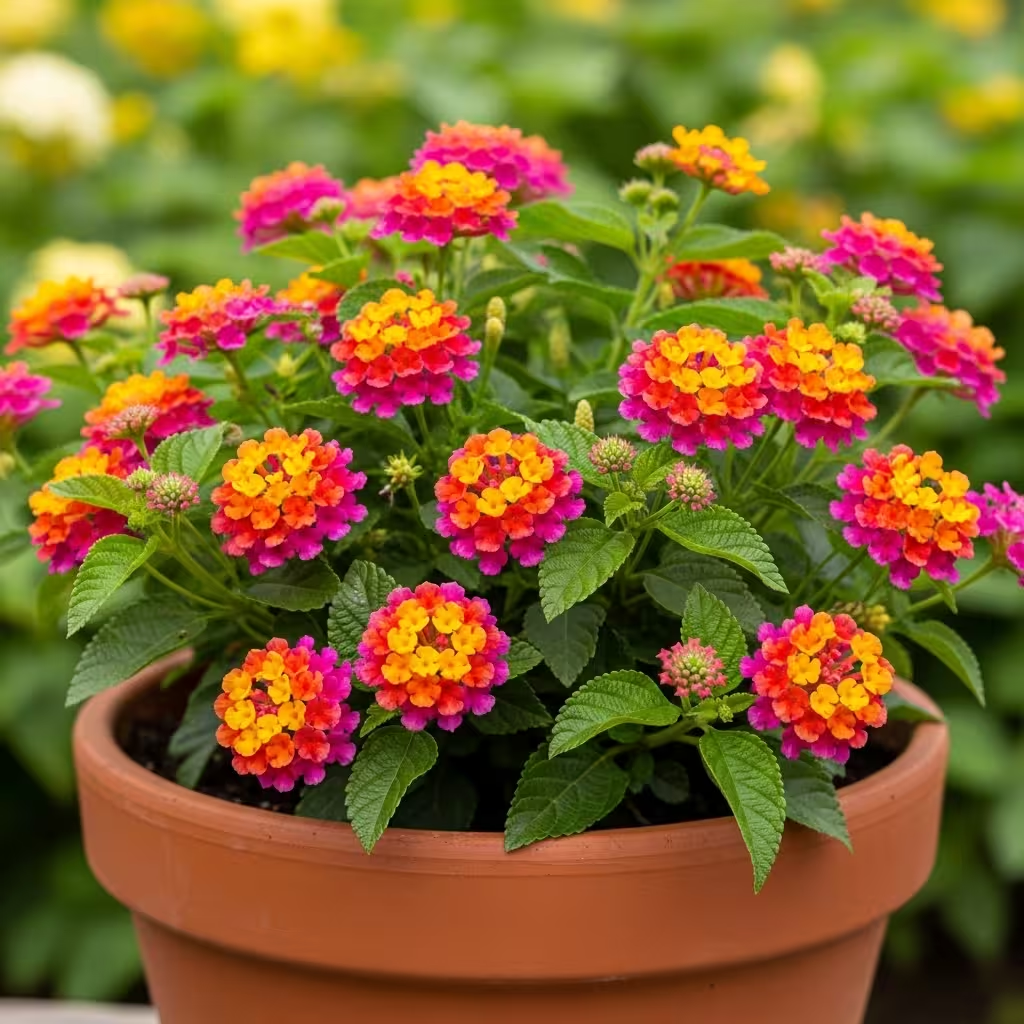
Lantana’s reputation as a prolific bloomer makes it all the more frustrating when these tropical beauties produce lush foliage but sparse flowers. These vibrant, heat-loving plants are capable of blooming continuously from spring through fall, yet many gardeners struggle to unlock their full flowering potential.
The secret to spectacular lantana blooms lies in understanding their native habitat and growth requirements. Originally from tropical regions of Central and South America, lantanas have evolved specific preferences that, when met, trigger abundant flower production throughout the growing season.
Understanding Lantana’s Blooming Biology
Before implementing specific techniques, it’s essential to understand how lantana produces flowers and what factors influence this process. Lantana plants are photoperiodic, meaning their flowering is influenced by day length, but they’re also heavily dependent on environmental conditions and cultural practices.
Flower formation in lantana occurs on new growth, making pruning and plant vigor critical factors in bloom production. Each flower cluster, called an umbel, contains dozens of tiny individual flowers that open progressively from the outside toward the center, creating the characteristic multi-colored appearance as flowers age.
Energy allocation within the plant determines whether resources go toward vegetative growth or flower production. Environmental stresses, nutritional imbalances, or improper care can shift this balance away from flowering, resulting in healthy but non-blooming plants.
Hormonal triggers for flowering are activated by specific combinations of light, temperature, and plant maturity. Understanding these triggers allows gardeners to manipulate conditions for optimal bloom production.
1. Optimize Light Exposure for Maximum Flowering
Lantana’s tropical origins make it one of the most sun-demanding flowering plants commonly grown in temperate gardens. Insufficient light represents the most common cause of poor flowering performance, even in otherwise healthy plants.
Minimum light requirements call for 6-8 hours of direct, unfiltered sunlight daily. However, plants receiving 10+ hours of sun during peak growing season will significantly outperform those with marginal light exposure.
Light quality matters as much as quantity. Morning sun alone, even if bright, doesn’t provide the intense midday radiation that triggers maximum flower bud formation. Dappled or filtered light, while adequate for survival, rarely produces the spectacular bloom displays lantana is known for.
Seasonal considerations become important in areas with shorter growing seasons. Position lantana where it receives maximum light during spring and early summer when flower bud initiation occurs. Even brief periods of shade during these critical times can reduce season-long bloom production.
Container placement strategies offer flexibility for optimizing light exposure. Move potted lantana to track the sun throughout the day, or relocate containers seasonally as sun patterns change. South-facing locations provide ideal exposure in most climates.
2. Master Precision Watering Techniques
Lantana’s drought tolerance often leads to confusion about proper watering practices. While these plants can survive dry conditions, strategic watering significantly influences bloom production and plant vigor.
Drought stress flowering is a natural response where water-stressed lantana produces more flowers as a survival mechanism. However, severe drought reduces overall plant health and flower size, while excessive moisture promotes vegetative growth at the expense of blooms.
Optimal moisture levels maintain soil that’s moist but never saturated. The top 2-3 inches of soil should dry completely between waterings, triggering mild stress that encourages flowering while preventing root rot.
Deep watering techniques encourage extensive root development that supports heavy flowering. Apply water slowly and deeply, allowing complete soil penetration rather than frequent, shallow applications that promote surface rooting.
Seasonal adjustments recognize changing plant needs throughout the growing season. Spring plantings require consistent moisture for establishment, summer plants need strategic drought periods to stimulate blooming, and fall plantings should receive reduced water as plants prepare for dormancy.
3. Strategic Deadheading for Continuous Blooms
Deadheading represents one of the most effective techniques for maintaining continuous lantana flowering, yet many gardeners either skip this practice or perform it incorrectly.
Physiological benefits of deadheading redirect plant energy from seed production back into flower formation. Lantana naturally produces seeds readily, and allowing seed development significantly reduces subsequent flowering.
Proper timing involves removing spent flower clusters as soon as individual flowers begin to fade, typically when 50-75% of flowers in each umbel have finished blooming. Waiting until entire clusters are spent reduces the effectiveness of this technique.
Cutting techniques influence future flowering potential. Cut stems back to the first strong leaf node or side shoot below the spent flower cluster. This encourages branching and creates more flowering points for future blooms.
Tool selection impacts plant health and recovery speed. Use sharp, clean pruning shears or deadheading snips to make clean cuts that heal quickly. Pinching with fingers can damage stems and create entry points for diseases.
4. Implement Strategic Pruning Programs
Regular pruning transforms lantana from sprawling, sparse bloomers into compact, flower-laden specimens. Understanding when and how to prune determines the difference between occasional blooms and continuous flowering displays.
Growth habit understanding reveals that lantana blooms on current-season growth, making regular pruning essential for maintaining flowering. Unpruned plants become woody and produce fewer flowering shoots over time.
Seasonal pruning schedules maximize bloom production throughout the growing season. Light pruning every 4-6 weeks during active growth maintains compact shape and encourages new flowering shoots. Major renovation pruning in late winter or early spring resets plant architecture.
Pruning intensity guidelines recommend removing 1/3 to 1/2 of plant height during regular maintenance sessions. More aggressive pruning may temporarily reduce flowering but creates better long-term plant structure.
Selective pruning techniques target specific growth patterns. Remove crossing branches, weak stems, and any growth that appears leggy or non-productive. Focus on maintaining an open center that allows light penetration and air circulation.
5. Precision Fertilization for Optimal Blooming
Lantana’s nutritional needs differ significantly from most flowering plants, and conventional fertilization practices often produce the opposite of desired results.
Nitrogen management represents the most critical aspect of lantana nutrition. Excessive nitrogen promotes lush foliage growth while inhibiting flower formation. This common mistake explains why many well-intentioned gardeners end up with beautiful but non-blooming plants.
Phosphorus emphasis supports flower bud formation and development. Fertilizers with ratios like 5-10-5, 4-12-4, or similar low-nitrogen, high-phosphorus formulations provide ideal nutrition for heavy flowering.
Application timing influences seasonal bloom patterns. Begin fertilizing when new growth appears in spring, continue every 4-6 weeks during peak growing season, and stop 6-8 weeks before expected first frost to allow plants to prepare for dormancy.
Organic alternatives provide gentler, longer-lasting nutrition that’s less likely to create imbalances. Bone meal, rock phosphate, and compost tea offer phosphorus-rich feeding without excessive nitrogen levels.
6. Comprehensive Pest Management Strategies
Pest infestations often go unnoticed until they’ve significantly impacted plant health and flowering capacity. Early detection and appropriate treatment maintain the plant vigor necessary for abundant blooming.
Common pest identification focuses on the most problematic species affecting lantana. Aphids cluster on new growth and flower buds, whiteflies congregate on leaf undersides, and spider mites create fine webbing during hot, dry periods.
Cultural controls provide the first line of defense against pest problems. Adequate spacing improves air circulation, reducing conditions favorable to many pests. Regular monitoring catches infestations before they become severe.
Biological controls offer sustainable pest management that doesn’t harm beneficial insects attracted to lantana flowers. Encouraging ladybugs, lacewings, and parasitic wasps provides natural pest suppression.
Treatment protocols should prioritize least-toxic options first. Insecticidal soap, neem oil, and horticultural oils effectively control most lantana pests without harming pollinators when applied properly.
7. Container Growing Optimization
Container-grown lantana offers placement flexibility but requires specific soil and care modifications to achieve maximum flowering performance.
Soil mix specifications should prioritize drainage while maintaining adequate moisture retention. Commercial potting mixes amended with 20-30% perlite or coarse sand create ideal growing conditions.
Container size considerations directly impact flowering potential. Minimum container sizes of 12-14 inches diameter and depth provide adequate root space for mature flowering. Smaller containers restrict root development and reduce bloom production.
Drainage requirements cannot be overstated for container lantana. Multiple drainage holes, elevated containers, or gravel layers prevent the waterlogged conditions that quickly kill lantana roots.
Placement strategies maximize environmental advantages of container growing. Move containers to optimize sun exposure, protect from excessive wind, or take advantage of reflected heat from paving or walls.
8. Spatial Requirements and Companion Planting
Proper spacing and thoughtful companion selection significantly influence lantana flowering performance by reducing competition and optimizing growing conditions.
Spacing calculations should account for mature plant size and growth habits. Standard lantana varieties require 18-24 inches between plants, while compact cultivars can be spaced 12-15 inches apart.
Air circulation benefits from proper spacing include reduced disease pressure, improved pest management, and better light penetration to lower plant parts where flower buds form.
Companion plant selection should complement rather than compete with lantana’s requirements. Mediterranean herbs, ornamental grasses, and other drought-tolerant plants make ideal neighbors.
Competition reduction involves managing nearby plants that might shade lantana or compete for resources. Regular pruning of surrounding vegetation maintains optimal growing conditions.
9. Winter Care and Spring Renewal
Proper winter care and spring preparation set the foundation for exceptional flowering performance in the following growing season.
Dormancy understanding varies by climate zone and plant maturity. In zones 8-11, lantana may remain evergreen but reduce flowering. In colder zones, plants typically die back to roots or go completely dormant.
Winter protection strategies extend lantana’s viable growing range and improve spring recovery. Mulching around root zones, protecting from harsh winds, and avoiding late-season pruning help plants survive marginal conditions.
Spring renovation techniques rejuvenate established plants and promote vigorous new growth. Cut plants back to 6-8 inches from ground level just as new growth begins, removing all dead or damaged material.
Timing considerations for spring care activities should align with local climate patterns. Begin spring care when soil temperatures consistently reach 50-55°F and nighttime temperatures remain above freezing.
Advanced Flowering Enhancement Techniques
Stress-induced flowering can be strategically applied to trigger bloom production. Brief periods of controlled drought stress, followed by resumption of normal care, often stimulate heavy flowering as plants respond to survival instincts.
Root restriction in containers can promote flowering over vegetative growth. Plants that become slightly root-bound often produce more flowers than those with unlimited root space.
Temperature manipulation takes advantage of lantana’s response to heat. Positioning containers near heat-reflecting surfaces or in protected microclimates can extend blooming periods and increase flower production.
Growth regulator applications using products containing paclobutrazol can create more compact, heavily flowering plants. These treatments should be used sparingly and according to manufacturer directions.
Troubleshooting Common Flowering Problems
Healthy plants with no blooms typically indicate insufficient light, excessive nitrogen, or inadequate plant maturity. Address environmental conditions first, then evaluate nutritional programs.
Sparse, irregular flowering often results from inconsistent care, pest problems, or inappropriate pruning timing. Establish regular maintenance schedules and monitor for underlying issues.
Short bloom duration may indicate water stress, extreme temperatures, or poor plant vigor. Optimize growing conditions and ensure adequate plant nutrition without over-fertilization.
Color fading or poor flower quality usually reflects environmental stress, inadequate light, or nutrient deficiencies. Address basic cultural requirements before considering specialized treatments.
Seasonal Bloom Maximization Calendar
Spring preparation (March-April): Prune, fertilize, begin regular watering, monitor for pest emergence.
Early summer establishment (May-June): Maintain consistent moisture, begin deadheading, adjust fertilization based on plant response.
Peak summer management (July-August): Strategic drought periods, intensive deadheading, pest monitoring, heat stress protection.
Fall transition (September-October): Reduce fertilization, allow some seed set for wildlife, prepare for dormancy.
Winter dormancy (November-February): Minimal care, protection from extreme weather, planning for spring renovation.
The key to spectacular lantana flowering lies in understanding these plants as the tropical survivors they are, rather than treating them like typical temperate garden flowers. By providing intense sun, strategic water management, appropriate nutrition, and regular maintenance, gardeners can unlock lantana’s remarkable potential for continuous, abundant blooming throughout the growing season.