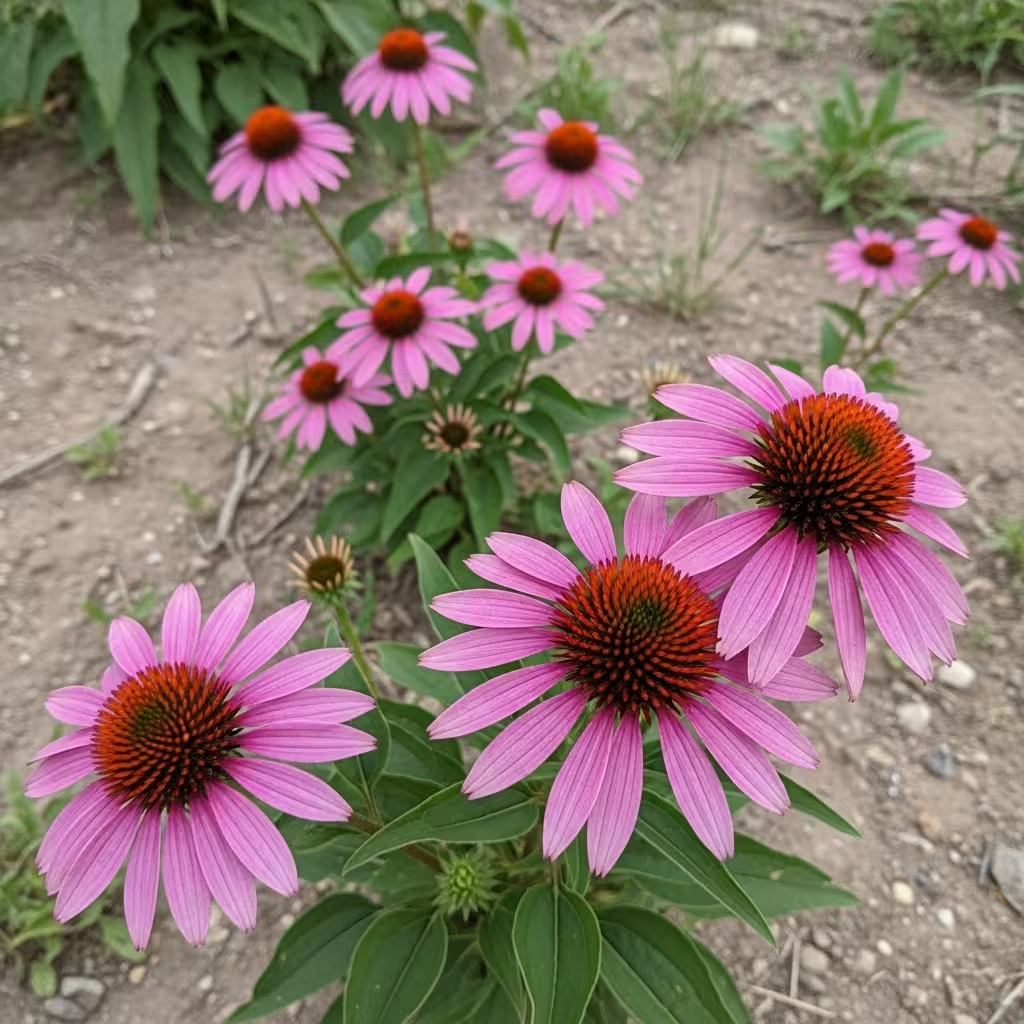
Gardening success doesn’t require perfect soil conditions. While many gardeners struggle with challenging terrain—whether it’s compacted clay, nutrient-poor sand, rocky slopes, or contaminated urban soil—the secret lies in selecting plants that have evolved to flourish in difficult conditions rather than fighting against nature’s constraints.
These resilient species offer a sustainable approach to gardening that requires minimal soil amendments, reduced maintenance, and delivers exceptional results even in the most challenging growing environments. Understanding which plants naturally adapt to poor soil conditions can transform seemingly impossible gardening situations into thriving, low-maintenance landscapes.
Understanding Poor Soil Conditions
Before exploring specific plant recommendations, it’s essential to understand what constitutes “poor soil” and why certain plants excel in these conditions. Poor soil typically exhibits one or more challenging characteristics that limit plant growth and survival.
Clay soil presents drainage challenges and compaction issues that suffocate root systems. During wet periods, clay becomes waterlogged, while in dry conditions, it forms an impenetrable crust that prevents water infiltration and root expansion.
Sandy soil drains too quickly, failing to retain moisture and nutrients essential for most plant growth. The rapid drainage means frequent watering becomes necessary, and fertilizers wash away before plants can utilize them effectively.
Rocky or shallow soil limits root development and provides minimal organic matter for nutrition. These conditions often occur on slopes, in urban environments, or areas with underlying bedrock close to the surface.
Contaminated or disturbed soil found in urban settings, construction sites, or previously industrial areas may contain toxins, lack beneficial microorganisms, or have altered pH levels that challenge conventional plant growth.
The Evolutionary Advantage of Tough Plants
Plants that thrive in poor soil conditions have developed remarkable adaptations over thousands of years. These evolutionary advantages allow them to extract maximum nutrition from minimal resources while withstanding environmental stresses that would kill less adapted species.
Deep taproot systems enable plants like butterfly weed and Russian sage to access water and nutrients far below the surface, bypassing poor topsoil conditions entirely. These extensive root systems also provide exceptional drought tolerance.
Efficient nutrient uptake mechanisms allow plants to thrive with minimal fertilization. Many tough plants form beneficial relationships with soil fungi (mycorrhizae) that extend their root systems and improve nutrient absorption.
Water storage capabilities in succulent plants like sedum enable survival during extended dry periods without supplemental irrigation. These plants store water in specialized tissues, reducing their dependence on consistent soil moisture.
Reduced transpiration rates through specialized leaf structures minimize water loss while maintaining photosynthesis efficiency. Plants with silvery, fuzzy, or waxy leaves often demonstrate this adaptation.
1. Purple Coneflower (Echinacea purpurea): The Prairie Survivor
Purple coneflower represents one of North America’s most adaptable native perennials, originally thriving across prairies with naturally poor, dry soils. This robust plant demonstrates exceptional tolerance for various soil conditions while providing months of continuous blooms.
Soil tolerance: Adapts to clay, sand, rocky soil, and pH ranges from 6.0-8.0. Actually performs better in lean soil than in rich, amended earth, which can produce excessive foliage at the expense of flowers.
Growth characteristics: Reaches 2-4 feet in height with sturdy stems that rarely require staking. The distinctive cone-shaped centers surrounded by drooping petals create architectural interest even after blooms fade.
Ecological benefits: Seeds provide food for goldfinches and other birds throughout winter. The long bloom period from mid-summer through fall supports pollinators when many other flowers have finished.
Cultivation tips: Plant in full sun for best flowering. Deadheading encourages continuous blooms, but leaving some seed heads provides winter wildlife food. Divide clumps every 3-4 years to maintain vigor.
2. Black-Eyed Susan (Rudbeckia fulgida): Golden Reliability
Black-eyed Susan’s cheerful yellow blooms and exceptional durability make it a cornerstone plant for challenging gardens. This native wildflower has colonized disturbed soils across North America, demonstrating remarkable adaptability to various growing conditions.
Soil adaptability: Tolerates clay, sand, and rocky soils with minimal organic matter. Performs well in both slightly acidic and alkaline conditions, making it suitable for urban environments with altered soil chemistry.
Spreading nature: Forms colonies through underground rhizomes, creating natural groundcover that suppresses weeds and stabilizes soil on slopes. This spreading habit makes it excellent for erosion control.
Extended bloom period: Flowers continuously from late summer through fall, providing color when many other perennials have finished blooming. The golden-yellow petals with dark centers create bold visual impact.
Maintenance requirements: Requires virtually no care once established. Self-seeds readily but isn’t invasively aggressive. Can be mowed down in late fall or left standing for winter interest and bird food.
3. Lavender (Lavandula angustifolia): Mediterranean Elegance
Lavender’s adaptation to the rocky, limestone soils of the Mediterranean makes it perfectly suited for poor soil conditions in similar climates. This aromatic herb combines functional benefits with ornamental appeal.
Soil preferences: Actually prefers lean, well-draining soil over rich, amended earth. Thrives in sandy, rocky, or clay soils as long as drainage is adequate. pH tolerance ranges from 6.5-8.0.
Drought tolerance: Once established, lavender requires minimal supplemental watering. Overwatering is more likely to kill lavender than drought conditions, making it ideal for water-wise gardens.
Multiple varieties: English lavender offers the best cold hardiness, while Spanish and French lavenders provide longer bloom periods in warm climates. Dwarf varieties work well in containers or small spaces.
Harvesting benefits: Flowers can be harvested for essential oils, cooking, or dried arrangements. Pruning after flowering maintains compact shape and encourages repeat blooming.
4. Yarrow (Achillea millefolium): Ancient Resilience
Yarrow’s history as a medicinal plant spans thousands of years, testament to its ability to thrive in diverse, often challenging environments. This feathery-leaved perennial adapts to poor soils while providing exceptional ornamental value.
Soil versatility: Grows in sand, clay, rocky soil, and even compacted earth where other plants struggle. Tolerates pH ranges from 4.0-8.0, making it suitable for acidic or alkaline conditions.
Color range: Modern cultivars offer flowers in red, pink, yellow, orange, and white, in addition to the traditional white species. Many varieties feature multiple colors in single flower heads.
Growth habits: Forms dense mats of finely divided foliage that provides excellent groundcover. Flower stems reach 1-3 feet depending on variety, creating vertical interest above the basal foliage.
Wildlife value: Attracts beneficial insects including predatory wasps that control garden pests. The flat-topped flower clusters provide landing platforms for butterflies and small beneficial insects.
5. Sedum (Hylotelephium and Sedum species): Stone Crop Champions
Sedums encompass a vast group of succulent plants that have mastered survival in extremely poor growing conditions. From tiny groundcover species to substantial border perennials, sedums offer solutions for various garden challenges.
Extreme adaptability: Grows in pure sand, gravel, thin soil over rock, and even in cracks between stones. Some species tolerate salt spray, making them valuable for coastal gardens.
Water storage: Fleshy leaves store water for extended periods, eliminating the need for regular irrigation once established. This adaptation makes them ideal for green roofs and xeriscaping.
Seasonal interest: Many varieties provide multi-season appeal with colorful foliage, late-summer flowers, and attractive seed heads that persist through winter. Fall-blooming varieties support late-season pollinators.
Propagation ease: Most sedums root easily from stem cuttings or leaf fragments, making them economical choices for large areas. Walking on established sedum beds can actually help propagate new plants.
6. Butterfly Weed (Asclepias tuberosa): Native Specialization
Butterfly weed’s adaptation to dry prairies and disturbed soils makes it exceptionally valuable for challenging garden sites. This native milkweed species provides critical habitat for monarch butterflies while thriving in conditions that defeat many other plants.
Soil requirements: Prefers sandy, well-drained soil with low fertility. Rich soils actually reduce flowering and can cause plants to become floppy and weak-stemmed.
Deep root system: Develops a substantial taproot that can extend 3-4 feet deep, accessing moisture and nutrients unavailable to shallow-rooted plants. This deep root makes established plants extremely drought tolerant.
Monarch butterfly support: Serves as host plant for monarch butterfly caterpillars while providing nectar for adult butterflies. The bright orange flowers are specifically adapted to attract these important pollinators.
Establishment considerations: Slow to establish from seed but long-lived once mature. Takes 2-3 years to reach full flowering potential. Direct seeding in fall provides best germination rates.
7. Russian Sage (Perovskia atriplicifolia): Architectural Beauty
Despite its common name, Russian sage actually originates from Central Asia, where it has adapted to harsh steppe conditions. This subshrub combines ornamental appeal with exceptional toughness.
Drought adaptation: Silver-gray foliage reflects heat and reduces water loss, while deep roots access moisture during dry periods. Established plants can survive extended droughts without supplemental watering.
Soil tolerance: Thrives in sandy, rocky, clay, or alkaline soils. Poor drainage is the only condition that consistently causes problems for Russian sage.
Architectural value: Provides vertical structure with its upright habit reaching 3-5 feet. The cloud-like texture of fine foliage and small flowers creates excellent contrast with bold-leaved plants.
Extended bloom period: Produces spikes of small purple-blue flowers from mid-summer through fall. Even after flowers fade, the silvery seed heads provide winter interest.
8. Coreopsis (Coreopsis species): Sunshine Performers
Coreopsis species have colonized poor soils across North America, developing into reliable garden performers that provide months of bright color with minimal care requirements.
Soil adaptability: Grows in sand, clay, rocky soil, and areas with minimal organic matter. Actually produces more flowers in lean soil compared to rich, fertile conditions.
Continuous blooming: Most varieties flower from early summer through fall with minimal deadheading required. Self-cleaning varieties eliminate even this minimal maintenance requirement.
Variety selection: Annual and perennial species offer different advantages. Annual varieties provide intense color for one season, while perennials establish permanent colonies that improve with age.
Self-seeding habit: Many varieties self-seed reliably, creating natural drifts that fill in bare spots and expand plantings over time. Seedlings often display slight variations that add interest to established plantings.
9. Blanket Flower (Gaillardia aristata): Prairie Fire
Blanket flower’s vibrant red and yellow blooms bring intense color to the poorest soils. This native wildflower has adapted to harsh prairie conditions, making it exceptionally valuable for challenging garden sites.
Heat tolerance: Thrives in full sun and high temperatures that cause other flowers to fade or stop blooming. The more intense the heat, the more vibrant the flower colors become.
Poor soil preference: Actually performs better in lean, sandy, or rocky soil than in rich, amended earth. Fertile soils can cause plants to become weak-stemmed and prone to flopping.
Extended bloom season: Flowers continuously from early summer through fall frost. Deadheading encourages more blooms, but isn’t necessary for continued flowering.
Color variations: Modern cultivars offer flowers in solid red, yellow, orange, or burgundy, in addition to the traditional bi-colored forms. Dwarf varieties work well in containers or front borders.
Design Strategies for Poor Soil Gardens
Creating successful gardens in challenging soil conditions requires strategic plant selection and thoughtful design approaches that work with natural conditions rather than against them.
Layered plantings create visual depth while maximizing the use of available space. Combine tall background plants like Russian sage with medium-height specimens like coneflowers and low groundcover sedums.
Color coordination helps unify plantings and creates cohesive designs. The warm colors of blanket flowers and black-eyed Susans complement the cool tones of lavender and Russian sage.
Textural contrasts add visual interest without requiring additional soil amendments. Combine fine-textured plants like yarrow with bold, architectural specimens like coneflowers.
Seasonal succession ensures continuous interest throughout the growing season. Early-blooming coreopsis gives way to mid-season coneflowers, followed by late-season asters and sedums.
Establishment and Long-Term Care
Even tough plants benefit from proper establishment techniques that ensure successful adaptation to poor soil conditions.
Minimal soil amendment works better than extensive modifications for most resilient plants. Adding coarse sand or small gravel improves drainage without creating rich conditions that many tough plants actually dislike.
Deep, infrequent watering during the first growing season encourages deep root development. Once established, most of these plants require no supplemental irrigation except during extreme drought.
Avoid fertilization beyond minimal compost incorporation at planting time. Most tough plants perform better in lean conditions and can become weak or prone to pests when over-fertilized.
Mulching considerations vary by plant type. Gravel mulch works well for Mediterranean plants like lavender, while organic mulches benefit prairie natives like coneflowers.
Sustainable Gardening Benefits
Choosing plants adapted to poor soil conditions provides numerous environmental and practical advantages beyond simple survival.
Reduced maintenance requirements mean less time spent on garden care and lower ongoing costs for amendments, fertilizers, and replacement plants.
Water conservation becomes automatic when using drought-adapted plants, reducing irrigation needs and supporting sustainable gardening practices.
Wildlife habitat expansion occurs naturally as native and adapted plants provide food and shelter for beneficial insects, birds, and other wildlife.
Soil improvement happens gradually as deep-rooted plants break up compacted soil and their decomposing roots add organic matter over time.
The key to successful poor soil gardening lies in embracing plants that have evolved to thrive in challenging conditions rather than trying to transform difficult soil into artificial perfection. These nine resilient species represent just the beginning of a vast palette of tough plants that can transform any challenging site into a thriving, sustainable garden that improves with age while requiring minimal intervention.