Container gardening has revolutionized how we approach growing flowers, making it possible for anyone to create stunning displays regardless of yard space or soil conditions. Whether you’re a complete beginner or simply want low-maintenance blooms for your patio, balcony, or windowsill, these ten flowering plants will reward you with beautiful colors and delightful fragrances while requiring minimal effort.
Why Choose Container Gardening for Flowers?
Growing flowering plants in pots offers numerous advantages over traditional ground planting. You gain complete control over soil quality, drainage, and plant placement while enjoying the flexibility to rearrange your garden as seasons change. Container gardening also eliminates concerns about poor native soil, allows for better pest management, and makes it easier to provide specific care requirements for different plant species.
1. Marigolds (Tagetes)
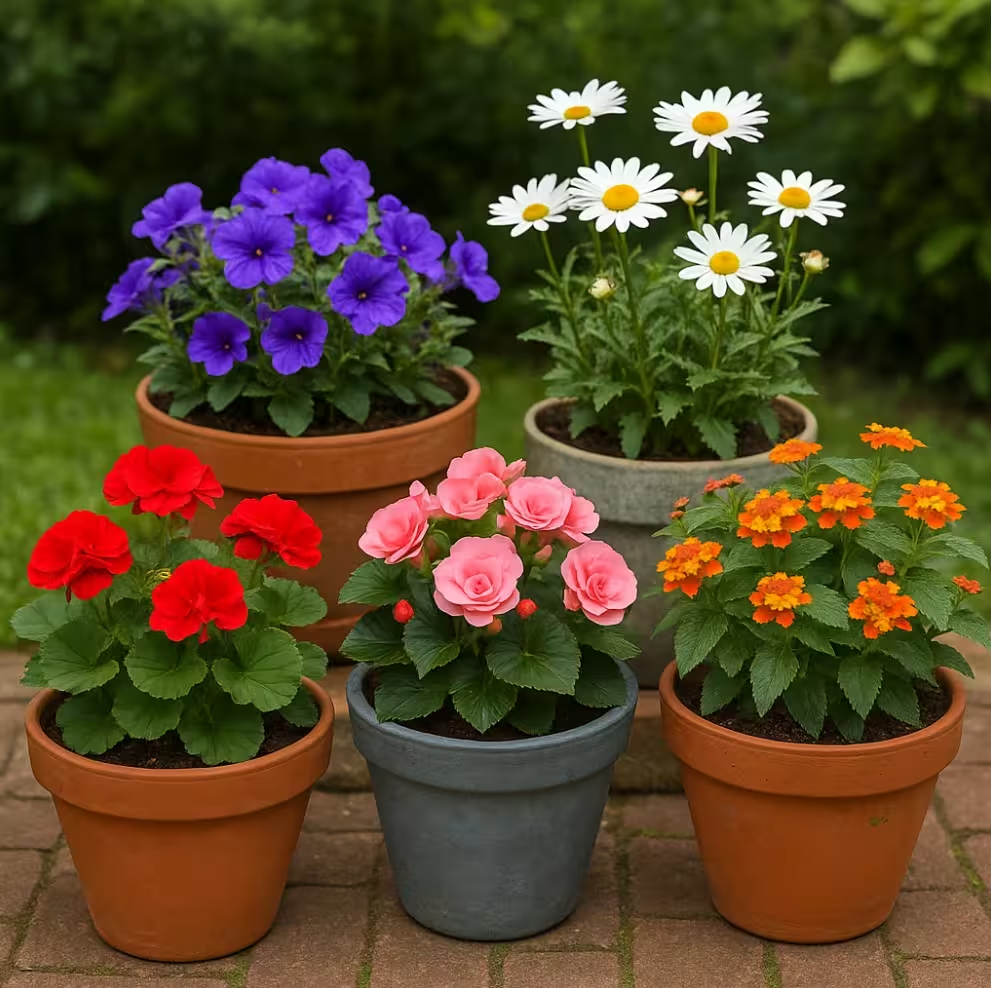
Marigolds top the list for their incredible resilience and cheerful appearance. These vibrant annuals thrive in almost any container size and produce continuous blooms from spring until the first frost. Their bright orange, yellow, and red flowers not only add instant color but also help repel garden pests naturally.
Growing Tips: Plant marigolds in well-draining potting mix and place containers in full sun. Water when the top inch of soil feels dry, and deadhead spent blooms regularly to encourage continuous flowering. These hardy plants tolerate heat and drought exceptionally well.
2. Petunias
Petunias deliver spectacular cascading displays perfect for hanging baskets and container edges. Available in countless colors and patterns, these prolific bloomers create stunning visual impact with minimal care requirements. Wave petunias and grandiflora varieties perform particularly well in containers.
Growing Tips: Choose containers at least 8 inches deep and provide 6-8 hours of sunlight daily. Keep soil consistently moist but not waterlogged, and feed with balanced liquid fertilizer every two weeks during the growing season.
3. Impatiens
Shade gardeners will love impatiens for their ability to produce abundant flowers in low-light conditions. These tender annuals offer continuous blooms in soft pastels and vibrant hues, making them ideal for brightening covered porches, north-facing balconies, and other partially shaded areas.
Growing Tips: Plant impatiens in rich, well-draining potting soil and maintain consistent moisture levels. These plants prefer morning sun with afternoon shade and benefit from regular feeding to support their prolific blooming habit.
4. Zinnias
Zinnias are perfect for beginning gardeners seeking dramatic results with minimal effort. These fast-growing annuals produce large, colorful blooms that attract butterflies and make excellent cut flowers. Their sturdy stems and long-lasting blooms make them ideal container specimens.
Growing Tips: Sow zinnia seeds directly in containers after the last frost date, or transplant seedlings into pots with good drainage. Provide full sun and water at soil level to prevent leaf diseases. These drought-tolerant plants actually perform better with slightly dry conditions.
5. Begonias
Begonias excel in containers thanks to their compact growth habit and continuous flowering throughout the season. Wax begonias handle heat and humidity well, while tuberous begonias provide larger, more dramatic blooms for shadier locations.
Growing Tips: Use well-draining potting mix and water when the surface feels dry to the touch. Most begonias prefer bright, indirect light and benefit from regular feeding with balanced fertilizer during active growth periods.
6. Nasturtiums
Nasturtiums offer edible flowers and attractive foliage while requiring virtually no maintenance. These easy-growing annuals produce vibrant orange, yellow, and red blooms that add peppery flavor to salads. Their trailing habit makes them excellent for hanging containers.
Growing Tips: Plant nasturtium seeds directly in containers with poor to average potting soil – rich soil promotes excessive foliage growth at the expense of flowers. Provide full sun to partial shade and water sparingly once established.
7. Pansies
Pansies bring charming “faces” and cool-weather resilience to container gardens. These hardy annuals thrive in cooler temperatures and can withstand light frosts, making them perfect for extending the flowering season into late fall and early spring.
Growing Tips: Plant pansies in containers with excellent drainage and place in locations receiving morning sun with afternoon shade. Keep soil consistently moist and remove spent flowers regularly to encourage continued blooming.
8. Sweet Alyssum
Sweet alyssum creates delightful carpet-like displays with tiny, fragrant flowers in white, pink, and purple. This low-growing annual works wonderfully as a container edge plant or ground cover in mixed plantings, releasing a honey-like fragrance especially noticeable in the evening.
Growing Tips: Sow seeds directly in containers or transplant seedlings into well-draining potting mix. Sweet alyssum tolerates various light conditions but flowers best in full sun to partial shade. Water regularly but allow soil to dry slightly between waterings.
9. Calendula
Calendula combines easy cultivation with practical benefits, producing cheerful orange and yellow blooms that are both ornamental and edible. These cool-weather annuals tolerate light frosts and often self-seed for the following season.
Growing Tips: Plant calendula seeds directly in containers during cool weather, as they prefer temperatures below 70°F for best flowering. Provide full sun to partial shade and maintain consistent moisture levels while avoiding overhead watering.
10. Portulaca (Moss Rose)
Portulaca thrives in hot, dry conditions where other flowers struggle, making it perfect for sunny containers that might dry out quickly. These succulent-like annuals produce vibrant, silky flowers in brilliant colors and require minimal water once established.
Growing Tips: Use sandy, well-draining potting mix and place containers in full sun locations. Water sparingly – portulaca actually flowers better with some drought stress. These heat-loving plants close their flowers on cloudy days but open beautifully in bright sunshine.
Essential Container Gardening Tips for Success

Successful container flower gardening starts with choosing appropriate pot sizes – most flowering plants need containers at least 6-8 inches deep with adequate drainage holes. Use high-quality potting mix rather than garden soil, which becomes too heavy and doesn’t drain properly in containers.
Regular watering becomes crucial in container gardening since pots dry out faster than ground soil. Check moisture levels daily during hot weather and water thoroughly until liquid drains from the bottom holes. However, avoid overwatering, which causes more plant deaths than underwatering.
Fertilizing container plants requires more attention than ground plantings since nutrients wash away with frequent watering. Use slow-release granular fertilizer mixed into potting soil at planting time, supplemented with liquid fertilizer every 2-3 weeks during active growth.
Seasonal Care and Maintenance
Spring preparation involves refreshing potting soil and planning color combinations for maximum visual impact. Summer care focuses on consistent watering and deadheading spent blooms to encourage continuous flowering. Fall maintenance includes collecting seeds from favorite varieties and protecting tender plants from early frosts.
Winter preparation varies by climate zone but generally involves either bringing containers indoors or protecting cold-hardy plants with mulch or frost cloth. Clean containers thoroughly before storing to prevent disease problems the following season.
Creating Stunning Container Combinations
Combine plants with different heights, textures, and flowering periods for extended interest. Use thriller plants for height, filler plants for mass, and spiller plants for cascading edges. Consider bloom colors, foliage textures, and growth habits when planning combinations.
Popular combinations include upright marigolds with cascading petunias and sweet alyssum, or colorful impatiens with decorative foliage plants for shaded areas. Experiment with monochromatic schemes or bold contrasting colors based on your personal preferences and existing décor.
Conclusion
These ten flowering plants provide the perfect starting point for anyone interested in container gardening success. Their forgiving nature, beautiful blooms, and minimal care requirements make them ideal choices for beginners while still satisfying experienced gardeners seeking reliable performers.
Start with just a few containers and expand your collection as you gain confidence and experience. The joy of watching seeds transform into blooming plants, combined with the flexibility of container gardening, creates a rewarding hobby that brings color and life to any space, regardless of size or location.
Remember that successful container gardening comes from understanding each plant’s basic needs and providing consistent care rather than complicated techniques. With these easy flowering plants as your foundation, you’ll soon discover the satisfaction and beauty that container gardening brings to your outdoor living space.