Morning glory vines represent one of nature’s most rewarding gardening experiences, transforming ordinary containers into vertical gardens bursting with trumpet-shaped blooms. These vigorous climbers offer an ideal solution for gardeners working with limited space, apartment dwellers seeking privacy screens, or anyone wanting to add dramatic height and color to their outdoor areas.
The appeal of container-grown morning glories extends far beyond their stunning appearance. These fast-growing annuals can reach impressive heights of 6-15 feet in a single growing season, creating living walls of color that open fresh each morning and attract beneficial pollinators throughout the day.
Why Morning Glory Excels in Container Gardens
Morning glory’s adaptability to container cultivation stems from several key characteristics that make it uniquely suited for pot culture. Unlike many climbing plants that require extensive root systems, morning glories develop efficient, compact root structures that thrive in confined spaces when given proper care.
The rapid growth rate of morning glory vines means gardeners see almost immediate results from their efforts. Within 7-10 days of planting, seedlings emerge and begin their upward journey. By midsummer, established plants can grow 1-2 inches per day under optimal conditions, quickly covering trellises, arbors, or balcony railings with dense foliage and abundant blooms.
From a practical standpoint, container growing offers superior control over soil conditions, drainage, and placement. This control becomes particularly valuable in regions with heavy clay soils or areas prone to excessive moisture, conditions that can challenge morning glory cultivation in traditional garden beds.
Understanding Morning Glory Varieties for Containers
Not all morning glory varieties perform equally well in containers. Understanding the characteristics of different cultivars helps ensure successful cultivation and optimal visual impact.
Ipomoea tricolor varieties are among the most popular choices for container growing. ‘Heavenly Blue’ produces classic sky-blue blooms with white throats, reaching 8-10 feet in height. ‘Flying Saucers’ offers unique blue and white striped petals, while ‘Pearly Gates’ provides pure white flowers that seem to glow in morning light.
Ipomoea purpurea varieties tend to be slightly more compact, making them excellent choices for smaller containers or shorter support structures. ‘Grandpa Ott’ features deep purple blooms with magenta star patterns, while ‘Kniola’s Purple-black’ produces nearly black flowers that create dramatic contrast against green foliage.
Ipomoea nil varieties include some of the most heat-tolerant options, perfect for container gardens in hot climates. ‘Early Call Mixed’ blooms earlier in the season than many varieties, while ‘Imperial Japanese’ offers unusually large flowers in complex color patterns.
Essential Container Requirements
Success with morning glory container gardening begins with selecting appropriate vessels and growing media. The container choice directly impacts root development, moisture retention, and overall plant health throughout the growing season.
Container specifications should prioritize depth over width. Morning glory roots grow deep rather than spreading horizontally, requiring containers at least 12 inches deep for optimal development. Width should measure 10-12 inches minimum for single plants, with larger containers supporting multiple plants more effectively.
Drainage remains absolutely critical for container-grown morning glories. Containers must feature multiple drainage holes, ideally 1/2 inch in diameter, spaced evenly across the bottom surface. Adding a layer of coarse gravel or broken pottery shards improves drainage while preventing soil from washing through holes.
Material selection affects both plant health and maintenance requirements. Terra cotta pots provide excellent breathability and natural moisture regulation but require more frequent watering in hot weather. Plastic containers retain moisture longer but may overheat in intense sun. Wooden containers offer good insulation but need proper treatment to prevent rot.
Optimal Growing Medium Composition
The growing medium serves as the foundation for healthy morning glory development in containers. Unlike garden soil, container growing media must balance drainage, nutrition, and moisture retention while remaining lightweight enough for practical handling.
Base potting mix should consist of high-quality commercial potting soil rather than garden soil, which becomes compacted and poorly drained in containers. Look for mixes containing peat moss, vermiculite, and perlite in balanced proportions.
Drainage enhancement prevents root rot, the most common cause of morning glory failure in containers. Adding 20-30% perlite or coarse sand to commercial potting mix significantly improves drainage while maintaining adequate moisture retention.
Organic matter incorporation supports long-term plant health. Mixing 10-15% well-aged compost into the potting medium provides slow-release nutrition and improves soil structure. Avoid fresh manure or uncomposted organic materials that can burn roots or create anaerobic conditions.
pH optimization ensures nutrient availability. Morning glories prefer slightly acidic to neutral soil with pH levels between 6.0-7.0. Most commercial potting mixes fall within this range, but testing with simple pH strips provides confirmation.
Seed Preparation and Germination Strategies
Morning glory seeds possess naturally hard seed coats that can delay or prevent germination under normal conditions. Proper seed preparation dramatically improves germination rates and reduces the time between planting and emergence.
Pre-treatment methods break seed dormancy effectively. The most reliable approach involves soaking seeds in warm water (70-80°F) for 12-24 hours before planting. Seeds that swell during soaking typically germinate within 5-7 days, while seeds remaining hard may require additional treatment.
Scarification techniques work for stubborn seeds that don’t respond to soaking. Gently nicking the seed coat with a small file or sandpaper creates openings for water absorption. Focus on the end opposite the small scar visible on most morning glory seeds.
Planting depth and spacing influence establishment success. Plant seeds 1/2 inch deep in pre-moistened potting mix, spacing them 2-3 inches apart around container edges. This spacing allows each seedling adequate access to light while providing backup plants in case some fail to germinate.
Temperature management accelerates germination. Maintaining soil temperatures between 70-75°F promotes rapid, uniform emergence. Heat mats designed for seed starting provide consistent bottom warmth, particularly valuable for early season planting or indoor starting.
Support Structure Installation and Design
Morning glory vines begin seeking support within days of emergence, making early installation of climbing structures essential for proper development. The type and configuration of support systems directly influence plant growth patterns, bloom distribution, and overall visual impact.
Trellis installation should occur at planting time to avoid root disturbance later. Insert trellises firmly into the container or anchor them to nearby structures. Unstable supports can topple under the weight of mature vines, especially during windy conditions.
Support height determines mature plant size. Morning glories continue growing until they reach the top of available support or until killed by frost. Structures 6-8 feet tall accommodate most varieties while remaining manageable for container culture.
Material choices affect vine attachment success. Morning glories climb by twining their stems around supports, preferring materials 1/4 to 1/2 inch in diameter. Bamboo poles, wooden lattice, and metal wire work well, while smooth surfaces like PVC pipe provide inadequate grip for vine attachment.
Creative support designs maximize visual impact. Tepee structures using 4-6 poles create dramatic focal points while supporting multiple plants. Arch forms spanning between containers create living tunnels, while simple vertical structures work well against walls or fences.
Watering Techniques and Moisture Management
Container-grown morning glories require more frequent watering than ground-planted specimens due to increased exposure and limited soil volume. Developing consistent watering practices prevents both drought stress and root rot while promoting vigorous growth and abundant flowering.
Deep, infrequent watering promotes healthy root development. Water thoroughly until excess drains from container holes, then allow the top inch of soil to dry before watering again. This pattern typically requires daily watering during hot weather and every 2-3 days during cooler periods.
Timing considerations optimize water uptake. Early morning watering allows plants to absorb moisture before heat stress occurs while giving foliage time to dry before evening. Wet foliage overnight increases disease susceptibility, particularly for fungal infections.
Mulching strategies reduce water loss and moderate soil temperature fluctuations. Apply 1-2 inches of organic mulch like shredded bark or straw around plants, keeping mulch several inches away from stems to prevent pest harboring.
Water quality impacts plant health over time. Morning glories tolerate most water sources but prefer slightly acidic to neutral pH. If using chlorinated tap water, allow it to sit overnight before applying to dissipate chlorine that can inhibit beneficial soil microorganisms.
Nutritional Requirements and Feeding Schedules
Morning glories demonstrate relatively modest nutritional needs compared to heavy-feeding vegetables, but container cultivation requires attention to nutrient availability since plants cannot access soil nutrients beyond their containers.
Balanced fertilization supports both foliage and flower development. Use fertilizers with NPK ratios around 10-10-10 or 12-12-12, applied at half the recommended strength every 2-3 weeks during active growth. Over-fertilization, particularly with nitrogen-heavy formulations, promotes excessive foliage at the expense of blooms.
Phosphorus enhancement encourages flowering. Once plants begin developing flower buds, switching to fertilizers higher in phosphorus (middle number) supports abundant bloom production. Ratios like 5-10-10 or organic alternatives like bone meal provide phosphorus without excessive nitrogen.
Organic feeding options provide slow-release nutrition. Compost tea, fish emulsion, and worm casting extracts offer gentle, long-lasting nutrition that’s less likely to burn roots or create nutrient imbalances. These organic options also improve soil microbiology in containers.
Micronutrient attention prevents deficiency symptoms. Container growing media may lack trace elements present in garden soil. Periodic application of kelp meal or commercial micronutrient supplements ensures plants have access to iron, magnesium, and other essential elements.
Training and Maintenance Practices
Proper training and maintenance keep container-grown morning glories attractive, healthy, and productive throughout the growing season. Regular attention to vine direction, support attachment, and plant health prevents problems before they become serious.
Initial training establishes growth direction. Gently guide young vines toward support structures, wrapping them loosely around poles or threading them through trellis openings. Morning glories naturally twine counterclockwise, so working with this tendency reduces stress on stems.
Pruning strategies maintain plant shape and health. Pinch growing tips when vines reach desired height to encourage branching and increase flower production. Remove spent blooms regularly to prevent seed formation and prolong flowering.
Pest monitoring prevents major infestations. Common pests include aphids, spider mites, and occasionally caterpillars. Weekly inspection of foliage, particularly undersides of leaves, allows early detection and treatment before damage becomes severe.
Disease prevention focuses on cultural practices. Adequate air circulation, proper watering techniques, and avoiding overhead irrigation reduce fungal disease risks. Remove any yellowing or spotted leaves promptly to prevent disease spread.
Seasonal Care and Overwintering Options
Morning glories are typically grown as annuals in most climates, completing their life cycle in a single growing season. However, understanding their growth patterns and responses to seasonal changes helps maximize their ornamental value and may provide opportunities for season extension.
Peak performance occurs during summer months when temperatures consistently reach 70-80°F and day length remains long. Plants may slow growth or reduce flowering during extended cool periods or extreme heat waves above 95°F.
End-of-season seed collection preserves favorite varieties. Allow some flowers to mature into seed pods if you want to collect seeds for next year’s planting. Mature seeds develop 6-8 weeks after flowering and can be stored in cool, dry conditions for several years.
Container protection extends growing seasons. In mild climates, moving containers to protected locations during light frosts can extend flowering into early winter. However, morning glories are true annuals and will eventually succumb to cold weather.
Clean-up practices prevent pest overwintering. Remove all plant material from containers at season’s end, as some pests and diseases can survive winter in plant debris. Fresh potting mix the following year starts plants with a clean growing environment.
Troubleshooting Common Container Growing Challenges
Even with proper care, container-grown morning glories may encounter specific challenges that require targeted solutions. Understanding common problems and their remedies helps maintain healthy, attractive plants throughout the growing season.
Poor germination often results from old seeds or inadequate pre-treatment. Morning glory seeds remain viable for 2-3 years when stored properly, but germination rates decline with age. Always pre-treat seeds and consider purchasing fresh seeds if using stored varieties.
Slow growth typically indicates insufficient light or poor nutrition. Morning glories require full sun (6+ hours daily) for optimal performance. Containers in partial shade produce spindly growth and fewer flowers. Similarly, depleted potting mix or inadequate fertilization limits growth potential.
Yellowing leaves may signal watering issues or nutrient deficiencies. Overwatering causes root rot and yellowing from the bottom up, while underwatering produces yellowing from leaf tips inward. Nitrogen deficiency also causes gradual yellowing of older leaves.
Lack of flowering often results from excessive nitrogen or insufficient light. High-nitrogen fertilizers promote lush foliage but inhibit flower formation. Similarly, inadequate sunlight prevents proper flower bud development even in otherwise healthy plants.
Maximizing Ornamental Impact
Container-grown morning glories offer numerous opportunities for creative garden design and dramatic visual effects. Strategic placement, companion planting, and seasonal succession can transform simple containers into stunning garden features.
Color coordination creates cohesive designs. Morning glories bloom in shades of blue, purple, pink, white, and bicolored combinations. Selecting varieties that complement surrounding plants or architectural features enhances overall garden harmony.
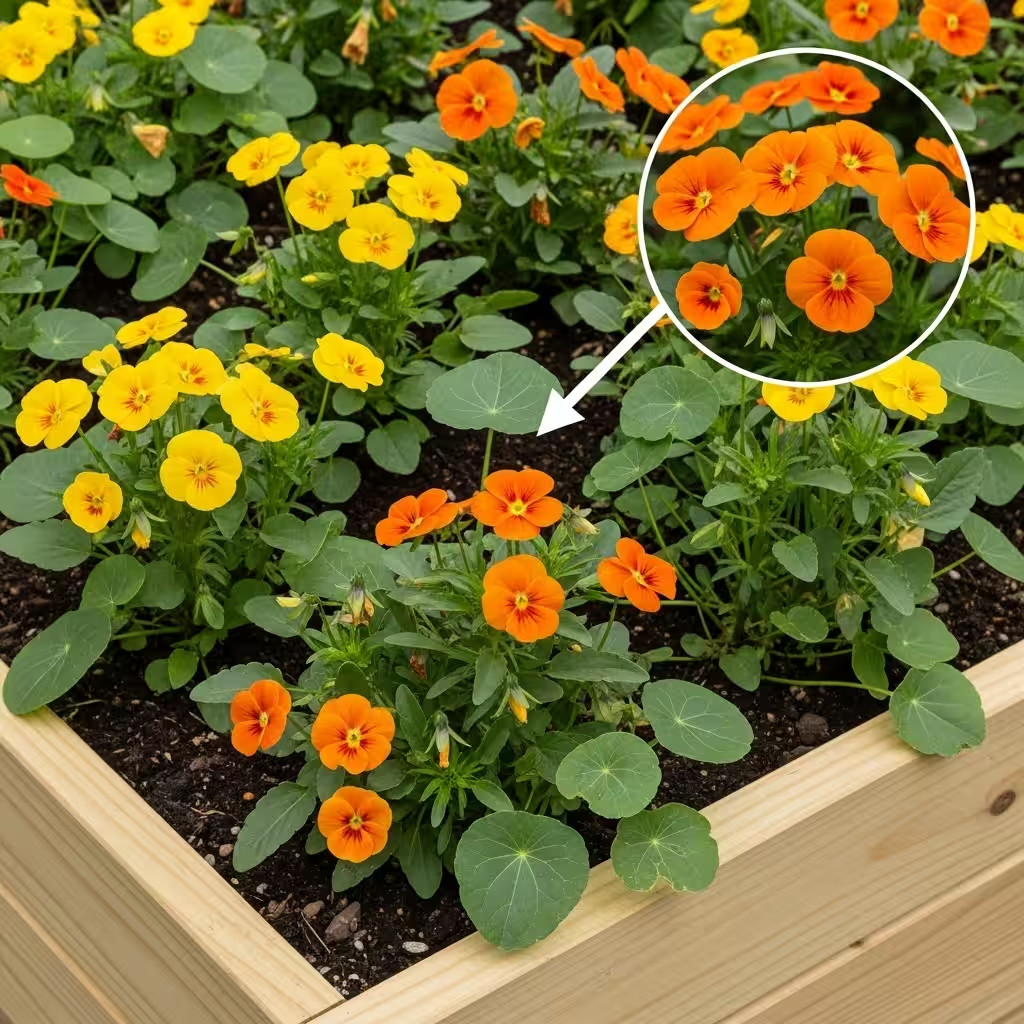
Companion planting adds textural interest. Low-growing annuals like sweet alyssum, lobelia, or nasturtiums planted around container edges create layered effects while utilizing space efficiently. These companions should have similar water and light requirements.
Succession planting extends display seasons. Starting new containers every 3-4 weeks provides continuous bloom from early summer through frost. Staggered plantings also serve as backup if early plantings fail due to weather or other factors.
Strategic placement maximizes visual impact. Position containers where morning glories can serve as privacy screens, frame garden views, or create vertical interest in flat landscapes. Consider sight lines from windows and seating areas when planning placement.
Morning glory container gardening offers an accessible entry point into vertical gardening while providing spectacular results that rival much more complex undertakings. With proper attention to container selection, growing media, and basic care requirements, these remarkable vines reward gardeners with months of colorful blooms and the satisfaction of creating living architecture in even the smallest spaces.