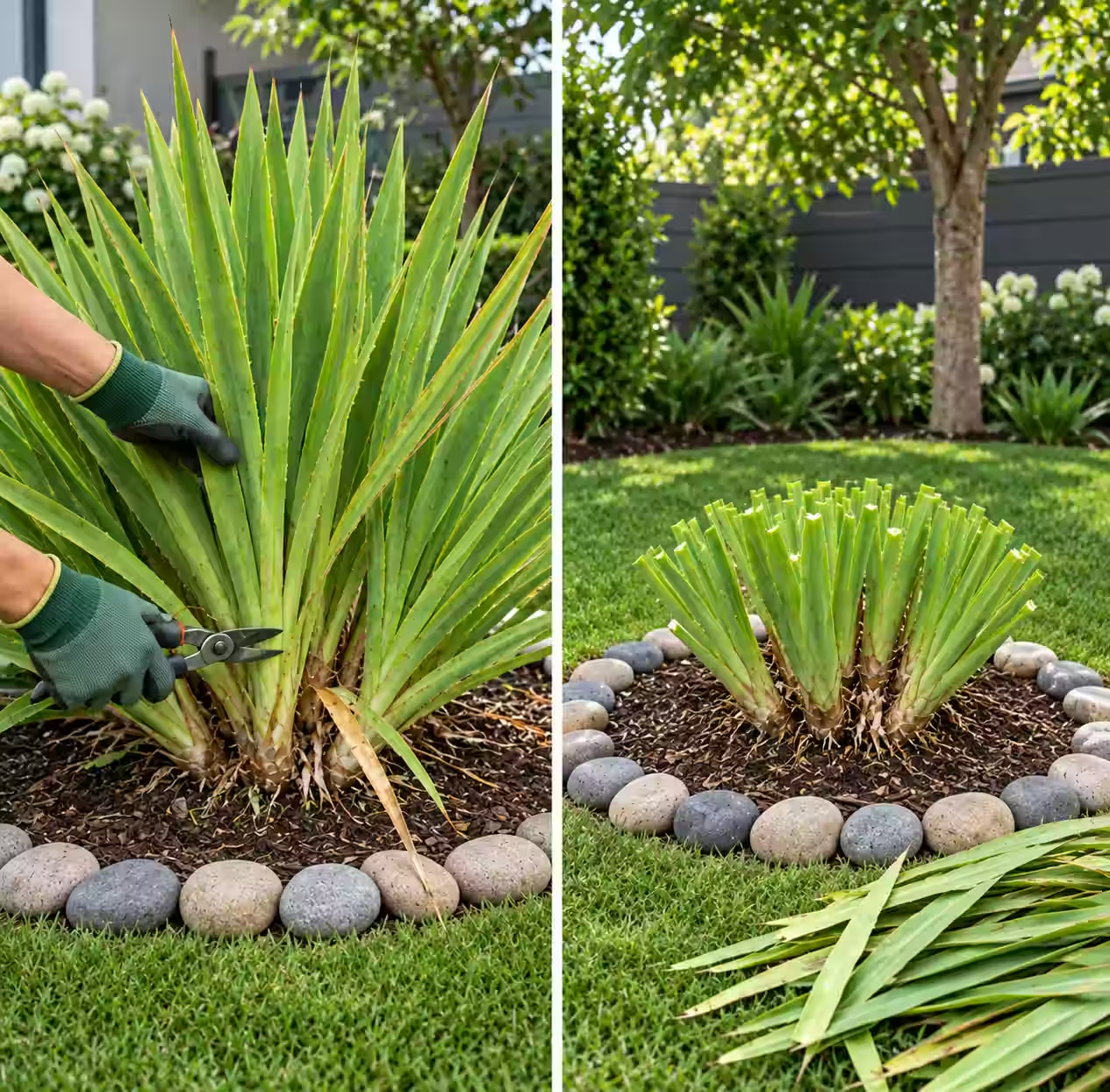
September is one of those months when a garden can suddenly look very different.
The bright flowers of summer begin to fade, stems start leaning over, and some foliage turns yellow or brown. It can be tempting to grab the pruners and cut everything back at once.
But that is where many gardeners make a mistake.
Not every perennial should be cut down in early fall. Some plants benefit from a careful September cleanup, while others are better left standing through winter. The trick is knowing which plants are finished for the season and which ones are still storing energy for next year.
For the perennials that are ready, a little trimming now can remove diseased foliage, clear away old growth, improve the appearance of your beds, and give your plants a cleaner start when spring arrives.
Here are 11 perennials worth checking in your garden this September.
1. Peonies
Peonies are one of the easiest perennials to deal with in fall because their foliage usually makes the timing fairly obvious.
Once the leaves have turned yellow, brown, or have been damaged by frost, cut the stems down to roughly 2 to 3 inches above the soil.
Don’t be tempted to do it while the foliage is still healthy and green. Those leaves are still producing energy and sending it down to the roots.
One important exception is diseased foliage. If your peony has developed noticeable fungal spots or other disease problems, remove the affected leaves and dispose of them rather than adding them to your compost pile.
A clean bed now can mean fewer problems waiting for you next spring.
2. Hostas
Hostas often look beautiful throughout summer, but their large leaves don’t age gracefully.
After frost or natural yellowing causes the foliage to collapse, you can cut the plant back to approximately 2 to 3 inches above ground level.
Removing the old leaves also helps eliminate damp hiding places where slugs and other garden pests may shelter.
However, don’t cut healthy green hosta leaves simply because the calendar says September. If they’re still green and functioning, allow them to continue feeding the plant’s crown.
Wait until the foliage naturally begins to decline.
3. Daylilies
By early fall, daylilies can become a mixture of yellow leaves, floppy stems, and old flower stalks.
Once most of the foliage has naturally started dying back, trim it to around 4 to 6 inches above the ground.
Remove dead, damaged, or spotted leaves as you go.
The important thing is patience. Green daylily foliage is still working beneath the surface, helping the plant prepare for winter and next year’s growth.
If your daylilies are still green and healthy, there’s no need to give them a September haircut yet.
4. Bee Balm
Bee balm is a beautiful pollinator-friendly perennial, but it is also notorious for developing powdery mildew.
By the end of summer, infected foliage can become particularly noticeable.
Once flowering has finished and the plant begins to decline, cut the stems back to approximately 4 to 6 inches above the ground.
If powdery mildew is present, be especially thorough about removing affected growth and clearing fallen leaves from around the plant.
Don’t put heavily diseased material into your compost unless you know your composting system reaches temperatures capable of destroying pathogens.
And if bee balm repeatedly suffers from mildew, remember that crowded plants often have poor airflow. Dividing an overcrowded clump can help improve circulation in future seasons.
5. Garden Phlox
Garden phlox can put on an incredible summer display, but September often reveals its less attractive side.
The foliage may become yellow or spotted, and powdery mildew can cover the leaves.
After flowering has finished and the plant begins to decline, cut the stems back to roughly 2 to 4 inches above the ground.
Then remove diseased leaves and any infected debris around the base.
Simply cutting the stems isn’t enough if diseased leaves are left lying underneath the plant. A thorough cleanup gives your garden a better chance of starting the following season without the same mess.
6. Bearded Iris
Bearded iris requires a little more restraint.
The foliage can look messy toward the end of summer, but green leaves are still feeding the rhizomes. Cutting them prematurely can interfere with that process.
Wait until the leaves have yellowed or have been significantly damaged by frost.
Then trim the foliage to approximately 6 inches above the ground and remove damaged or spotted leaves.
Fall cleanup is also a good opportunity to inspect your iris bed. Make sure the rhizomes aren’t buried beneath thick layers of soil or mulch. Bearded iris rhizomes generally perform best when their upper surfaces remain exposed to sunlight.
7. Yarrow
Yarrow can become floppy and untidy once its main flowering period is over.
When the flower heads fade and the stems begin turning brown, cut the tired stems back to just a few inches above the healthy foliage at the base.
This gives the plant a much cleaner appearance without removing healthy growth unnecessarily.
There’s another reason to pay attention to yarrow in September: seed production.
If you enjoy having yarrow spread naturally, you can leave some flower heads in place. But if you don’t want seedlings appearing throughout your garden next year, remove the spent flower heads before they release their seeds.
8. Black-Eyed Susan
Black-eyed Susans are a little different because they can still provide valuable color and wildlife food in early fall.
Instead of cutting them immediately when September begins, wait until the flowers have largely finished and the stems start looking tired.
At that point, remove damaged or diseased growth.
After frost finally finishes the remaining foliage, you can cut the plant down to approximately 3 to 4 inches above the ground.
But consider leaving a few healthy seed heads standing.
Birds such as goldfinches enjoy the seeds, and the dried flower heads can provide useful winter interest. A completely tidy garden isn’t always the most beneficial garden for wildlife.
9. Shasta Daisies
Shasta daisies often look noticeably tired by September.
After flowering ends and the foliage begins declining, cut the stems back to around 2 to 3 inches above the ground.
Remove leaves that are spotted, diseased, or clearly dead.
This helps clear away old material and gives the plant a clean base for next season.
While you’re working around the clump, take a look at its center. If the middle has become thin or flowers have become less impressive over the years, the plant may be overcrowded.
Make a note to divide it when the appropriate spring window arrives.
10. Catmint
Catmint has a tendency to become floppy after its biggest flush of flowers.
Rather than cutting the entire plant down to the ground in September, give it a lighter trim.
Remove roughly one-third to one-half of the tired stems, cutting above healthy growth near the base.
This keeps the plant compact while preserving foliage that may still be useful before winter.
For gardeners who struggle with catmint becoming floppy every year, remember that timing earlier in the season can make a big difference. Cutting it back after its first major bloom can encourage a shorter, bushier plant and may even encourage another flush of flowers.
11. Hardy Geraniums
Hardy geraniums, also called cranesbill, can become sprawling and untidy after their main flowering period.
When the flowers have faded and the foliage starts looking worn, trim back the messiest stems and leaves to just above fresh growth at the base.
There’s no need to remove every healthy leaf simply to make the plant look perfectly tidy.
The goal is to remove exhausted growth while keeping healthy foliage whenever possible.
And don’t confuse hardy geraniums with the tender annual plants commonly sold as “geraniums” in containers. They are different plants and don’t necessarily follow the same pruning schedule.
Don’t Cut Everything in September
One of the biggest fall gardening mistakes is assuming that every perennial should be cut down before winter.
Some plants are actually better left standing.
Coneflowers
The dried seed heads provide food for birds, particularly goldfinches. The stems also add winter structure to the garden.
If the plants are healthy, consider leaving them until late winter or early spring.
Sedum
Mature sedum flower heads can remain attractive well into winter.
Their dried stems provide structure and can be cut back when winter is ending and new growth is preparing to emerge.
Russian Sage
Russian sage generally benefits from being left alone through winter rather than receiving a severe fall haircut.
The existing stems can provide some protection from winter conditions, so major pruning is usually better saved for late winter or early spring.
Hellebores
Healthy hellebore foliage can remain through the colder months.
Instead of removing everything in fall, many gardeners wait until late winter, when old leaves can be removed as new growth and flowers begin emerging.
The lesson is simple: a little garden mess can be useful.
Dried stems and seed heads aren’t necessarily signs of neglect. They can provide shelter for insects, food for birds, winter structure, and protection for plants.
Your Climate Matters
September does not mean the same thing everywhere.
In colder regions, perennials may already be entering dormancy. In warmer climates, many plants can still be actively growing and flowering.
For gardeners in roughly USDA Zones 3–5, September may be the beginning of serious fall cleanup once foliage has naturally yellowed or frost has damaged it.
In Zones 6–7, September is often more of a transition period. Remove diseased leaves and spent growth, but allow healthy green foliage to continue working.
In Zones 8–9, many perennials may still be actively growing. Light cleanup is generally more appropriate than a major cutback.
And in Zones 10–11, September can still feel much more like summer than fall. Heavy pruning may need to wait until the plant naturally slows down or reaches its recommended pruning period.
So instead of asking only, “Is it September?”, ask another question:
“Is this particular plant actually finished growing for the season?”
That question can prevent a lot of unnecessary pruning.
A Simple September Pruning Checklist
Before cutting a perennial, take a few seconds to inspect it.
Ask yourself:
- Is the foliage still green and healthy?
- Has the plant finished flowering?
- Are the stems damaged or diseased?
- Has frost already caused the foliage to die back?
- Does this plant benefit from winter stems and seed heads?
- Am I removing genuinely dead growth or simply trying to make the garden look tidy?
If the plant is still healthy and actively growing, leave it alone.
If it has finished flowering, developed diseased foliage, or naturally gone dormant, a careful cleanup may be worthwhile.
The Best Fall Garden Isn’t Always the Tidiness One
A garden doesn’t need to look perfectly manicured all winter to be healthy.
In fact, leaving certain plants standing can make your garden more useful to wildlife and more interesting during the colder months.
Focus your September pruning on the plants that genuinely benefit from it. Remove diseased material, clear away dead growth where appropriate, and resist the temptation to cut everything to the ground.
The goal isn’t to make your garden look empty by October.
The goal is to help your perennials enter winter in good condition so they can return with strength when spring arrives.
A few minutes with the pruners now, combined with a little restraint, can make a surprisingly big difference when the garden wakes up again.


