Create garden edges that maintain their beauty from the first warm days of spring through autumn’s final frost
Rethinking the Traditional Garden Border
Most gardeners approach border design with a “peak and fade” mentality—planning for spectacular two-week displays followed by months of green mediocrity. This outdated approach wastes valuable garden real estate and creates disappointing landscapes that lose their appeal just when outdoor living reaches its peak.
The secret to exceptional borders lies in selecting plants that treat blooming not as a brief seasonal event, but as an ongoing commitment. These marathon performers understand that garden beauty should evolve and intensify throughout the growing season, not peak early and decline.
The Science of Extended Blooming
What separates continuous bloomers from their short-lived counterparts? The answer lies in their reproductive strategies and energy allocation. While many plants invest heavily in producing large quantities of seed all at once, extended bloomers have evolved different approaches:
Continuous Energy Investment: These plants allocate resources steadily throughout the season rather than in one massive burst.
Responsive Growth: They react to deadheading and pruning by producing new flowering stems rather than shifting into dormancy.
Efficient Metabolism: Their nutritional needs remain moderate and consistent, allowing sustainable flower production over months.
Understanding these characteristics helps explain why certain plants excel in borders while others, despite being beautiful, fail to provide lasting impact.
Perennial Powerhouses for Permanent Impact
Hardy Geranium Varieties (Geranium species)
Often confused with their tender bedding plant cousins, true hardy geraniums represent some of the most reliable border performers available. These mounding perennials produce delicate, five-petaled flowers in shades ranging from pure white through deep purple. Their cut-leaf foliage provides excellent texture even when not in bloom, and many varieties offer attractive fall color as an additional bonus.
The key to their success lies in their clumping habit and self-cleaning flowers—spent blooms drop cleanly, eliminating the need for constant deadheading while making room for new buds.
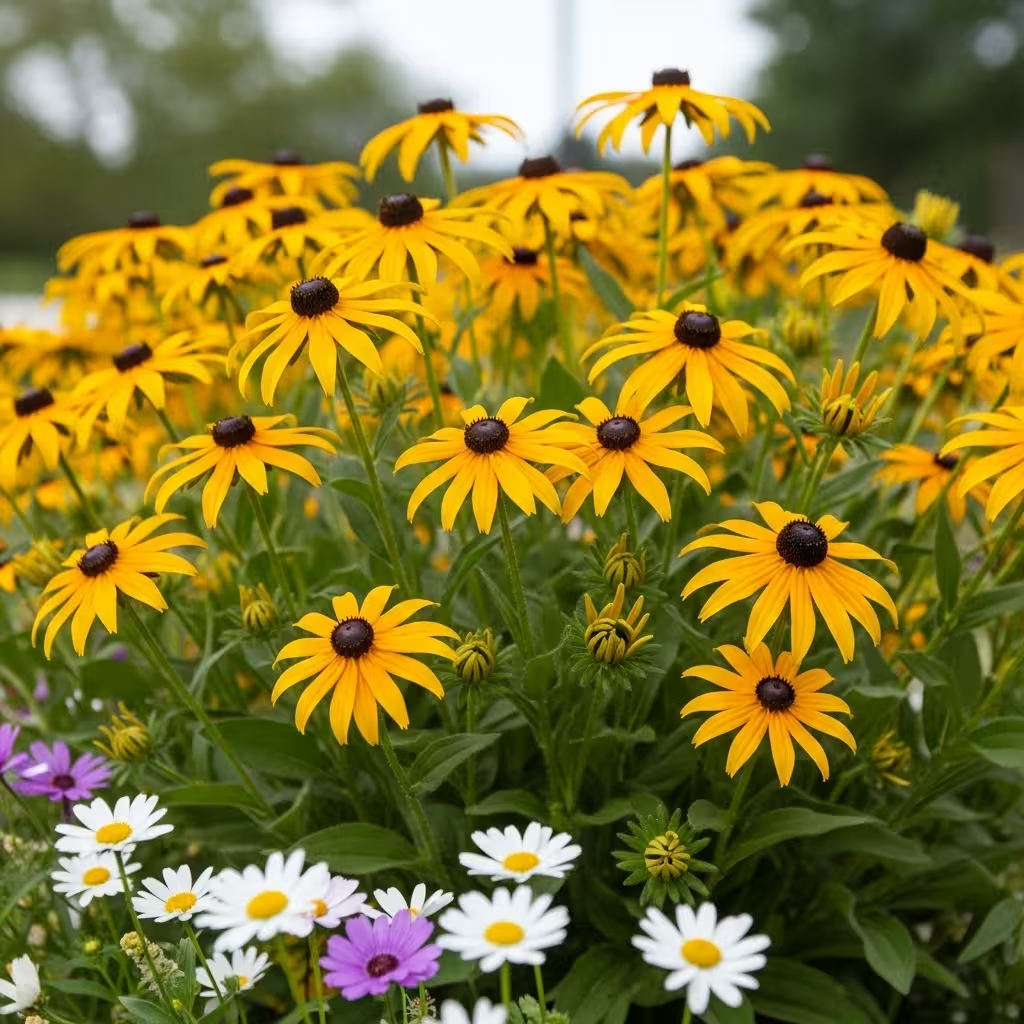
Coreopsis Cultivars (Coreopsis species)
These North American natives have been bred into some of the most dependable garden performers available. Modern cultivars produce hundreds of cheerful, daisy-like flowers that seem to multiply rather than diminish with cutting. Their thread-like foliage creates an airy texture that complements bolder border companions without competing for attention.
Coreopsis thrives in conditions that challenge many other perennials—poor soil, drought, and intense heat only seem to encourage more prolific blooming.
Salvia Selections (Salvia nemorosa and hybrids)
Perennial salvias offer vertical accents that draw the eye upward while their flower spikes continue emerging from late spring through multiple fall frosts. Their aromatic foliage adds another sensory dimension to border plantings, while their nectar-rich flowers create pollinator highways throughout the garden.
The secret to maintaining continuous bloom lies in cutting spent flower spikes back to emerging side shoots rather than removing entire stems—this encourages multiple flushes of color rather than single dramatic displays.
Catmint Varieties (Nepeta species)
Despite their association with feline entertainment, catmints represent some of the most sophisticated border plants available. Their billowing habit creates soft edges that beautifully transition between formal plantings and naturalistic areas. The silvery-green foliage provides excellent contrast for brighter flowering companions, while waves of small flowers create impressionistic color masses.
Modern cultivars have been selected for extended bloom periods and reduced self-seeding, making them more garden-friendly while maintaining their cottage garden charm.
Annual Additions for Immediate Impact
Calibrachoa Hybrids (Calibrachoa species)
These petunia relatives pack enormous visual punch into compact plants that never seem to stop flowering. Their small, abundant blooms create dense color masses that fill gaps in perennial plantings while their trailing habit adds movement and flow to rigid border designs.
Unlike their larger petunia cousins, calibrachoas maintain their appearance without deadheading, making them ideal for busy gardeners who want maximum impact with minimal maintenance.
Modern Zinnia Varieties (Zinnia elegans and hybrids)
Contemporary zinnias bear little resemblance to the lanky, disease-prone plants of previous generations. Modern cultivars have been bred for compact growth, disease resistance, and continuous flowering that intensifies rather than diminishes as the season progresses.
Their bold, geometric flowers provide architectural interest that complements both formal and cottage garden styles, while their heat tolerance makes them invaluable during summer’s most challenging weeks.
Petunia Innovations (Petunia × atkinsiana)
Wave petunias and their trailing relatives have revolutionized how we think about annual border plants. Rather than requiring constant pinching and grooming, these self-cleaning varieties spread into colorful carpets that suppress weeds while providing months of continuous color.
Their weather tolerance has also improved dramatically—modern varieties bounce back from summer storms and continue blooming rather than requiring replacement.
Heat-Loving Heroes for Challenging Conditions
Yarrow Selections (Achillea species)
These tough perennials excel in conditions that defeat most other flowering plants. Their flat-topped flower clusters provide landing pads for beneficial insects while their feathery foliage adds fine texture to bold border compositions. Modern cultivars offer flower colors ranging from soft pastels to vibrant reds and oranges.
Yarrow’s drought tolerance makes it invaluable in water-wise gardens, while its ability to bloom continuously in poor soil eliminates the need for soil amendments in challenging locations.
Blanket Flower Cultivars (Gaillardia species)
These prairie natives bring southwestern flair to borders with their sunset-colored, daisy-like flowers that seem to glow in intense heat. Their informal growth habit and continuous blooming make them perfect for naturalistic plantings, while their excellent cut flower qualities extend their usefulness beyond the garden.
Like many prairie plants, blanket flowers actually perform better in lean soils than in heavily amended garden beds, making them ideal for low-maintenance border situations.
Sedum Varieties (Sedum species)
Low-growing sedums create living mulch that suppresses weeds while providing season-long color through both flowers and foliage. Their succulent leaves store water efficiently, making them virtually drought-proof once established.
Many varieties offer the bonus of evergreen winter interest, extending their garden value well beyond the traditional growing season.
Shade-Tolerant Champions
Begonia Cultivars (Begonia species)
Modern begonias have evolved far beyond their reputation as fussy greenhouse plants. Contemporary varieties tolerate diverse growing conditions while producing abundant flowers from spring through frost. Their glossy foliage provides excellent backdrop for other shade plants, while their compact growth habits make them ideal for edge plantings.
Wax begonias excel in hot, humid conditions that challenge many other shade plants, while Dragon Wing types offer larger scale impact with their pendulous growth habit.
Impatiens Alternatives
While traditional impatiens face disease challenges, New Guinea impatiens and their relatives continue to provide reliable color in shaded borders. Their bold foliage patterns add visual interest even when flowers are sparse, while their heat tolerance extends their useful range into areas receiving morning sun.
Strategic Planting for Maximum Impact
Layered Approach
The most successful continuous bloom borders incorporate plants of varying heights, bloom times, and growth habits to create layered interest throughout the season. This approach ensures that as one plant reaches peak bloom, others are preparing their own displays.
Front Edge: Low-growing spreaders like hardy geraniums and catmint Middle Ground: Medium-height performers like salvias and coreopsis Back Support: Taller structural plants that provide backbone
Color Coordination
Rather than creating rainbow borders that can appear chaotic, successful continuous bloom plantings use color themes that evolve throughout the season. Cool blues and purples might dominate spring displays, gradually warming to yellows and oranges as summer intensifies, then cooling again toward purples and burgundies in fall.
Succession Planning
Even continuous bloomers benefit from strategic timing in their planting. Staggered installations of annuals ensure that some plants are always at peak performance, while varied perennial selections extend the overall bloom window through different peak periods.
Maintenance Strategies for Extended Performance
Nutritional Support
Continuous blooming requires sustained energy, making regular feeding essential for optimal performance. Rather than heavy spring applications that can encourage vegetative growth at the expense of flowers, light monthly feedings throughout the growing season support steady flower production.
Water Management
Consistent moisture availability prevents stress-induced dormancy that can interrupt blooming cycles. Drip irrigation or soaker hoses provide efficient delivery without encouraging foliar diseases that can compromise plant health.
Strategic Deadheading
Understanding each plant’s response to deadheading maximizes bloom production. Some plants benefit from individual flower removal, while others respond better to cutting back entire sections to encourage new growth flushes.
Seasonal Rejuvenation
Many continuous bloomers benefit from mid-season pruning that removes tired growth and encourages fresh, vigorous stems. This “Chelsea chop” approach can extend blooming periods well into fall while maintaining plant health and appearance.
Designing for Year-Round Interest
Foliage Considerations
While flowers provide obvious appeal, the foliage characteristics of continuous bloomers contribute significantly to border success. Plants with attractive leaves maintain visual interest during brief flowering lulls while providing structure for more ephemeral flowering partners.
Textural Diversity
Combining plants with different leaf shapes, sizes, and textures creates sophisticated compositions that rely on more than flower color for impact. Fine-textured plants like coreopsis contrast beautifully with bold-leaved begonias, while spiky salvias provide vertical punctuation among mounding forms.
Seasonal Transitions
The best continuous bloom borders acknowledge seasonal changes rather than fighting them. Late-season seed heads, changing foliage colors, and structural elements provide autumn and winter interest that extends the garden’s appeal beyond the traditional flowering season.
Economic Benefits of Long-Blooming Choices
Investing in plants that bloom continuously provides better value than frequently replacing short-lived alternatives. While initial plant costs might be higher, the extended performance period and reduced replacement needs create significant long-term savings.
Additionally, many continuous bloomers are excellent for cut flower production, providing ongoing household benefits that further justify their garden space allocation.
Troubleshooting Common Challenges
Mid-Season Fatigue
When continuous bloomers show signs of exhaustion, strategic feeding and watering usually restore vigor. However, some plants benefit from brief rest periods achieved through light pruning and reduced maintenance.
Weather Stress Response
Extended heat or unusual moisture patterns can interrupt blooming cycles. Understanding each plant’s stress responses helps predict when intervention is needed versus when patience is the better approach.
Pest and Disease Pressure
Continuous bloomers can become more susceptible to problems during peak stress periods. Preventive care and early intervention maintain plant health during challenging conditions.
Creating Legacy Borders
The most satisfying borders are those that improve with age, and continuous bloomers excel at creating these evolving landscapes. As perennials mature and self-seeding annuals establish naturalized colonies, borders develop character and personality that transcends individual plant selections.
This long-term perspective encourages gardeners to think beyond single seasons toward creating landscape features that provide decades of beauty and satisfaction.