It’s March 9, 2026, and if you’re looking at your garden thinking it looks a bit “blah,” I have good news: we are officially in the “Golden Window.”
March is the month of the great awakening. The soil is moist, the air is cool, and most perennials are still in their dormant “sleepy” phase. This is the absolute best time to get them in the ground because they can focus 100% of their energy on building a massive root system before the stressful heat of summer arrives.
If you want a garden that pays dividends for a decade or more, here are the 9 perennials you should be planting this week.
1. Peonies (The Heritage Choice)
Peonies are the “slow and steady” winners of the garden. They can live for over 50 years in the same spot, but they are divas about being moved once they’re settled.
- The March Perk: Planting bare-root peonies now allows the roots to “chill” and anchor themselves before they try to push out those heavy, fragrant blossoms in late spring.
2. Bleeding Hearts (Lamprocapnos spectabilis)
These are the quintessential “old-fashioned” garden favorites. They produce arching stems of heart-shaped flowers that look like something out of a fairy tale.
- The March Perk: They thrive in the cool, damp weather of early spring. Planting them now ensures they don’t wilt under the premature heat of a late April sun.
3. Coneflowers (Echinacea)
If you want to feed the bees and butterflies, you need Echinacea. They are tough, drought-tolerant, and come in every color from neon orange to classic “pantry” purple.
- The March Perk: Early planting leads to sturdier stems. You won’t have to stake them when the summer thunderstorms roll in.
4. Creeping Phlox
Think of this as “botanical paint.” It stays low to the ground and creates a carpet of color so thick you won’t even see the leaves.
- The March Perk: Phlox is one of the first things to bloom. Getting it in the ground now means you might actually catch the tail end of this year’s flower show.
5. Daylilies (Hemerocallis)
Commonly called the “Perfect Perennial,” Daylilies can survive almost anything—neglect, poor soil, and even the neighborhood dog.
- The March Perk: Moving them while they are just tiny green shoots (often called “fans”) is much easier than trying to transplant a massive, heavy clump in July.
6. Salvia (Perennial Sage)
Salvia provides those essential “blue spikes” that make every garden bed look professional. It’s also a favorite for hummingbirds.
- The March Perk: Salvia is prone to a bit of “shock” if planted in the peak of summer heat. March’s mild temperatures are the “just right” bowl of porridge for this plant.
7. Hostas (The Shade Kings)
You can’t have a shade garden without Hostas. They are the ultimate low-maintenance foliage plants.
- The March Perk: Because their leaves haven’t unfurled yet, you can plant them without worrying about tearing or bruising the foliage. It’s a “cleaner” way to garden.
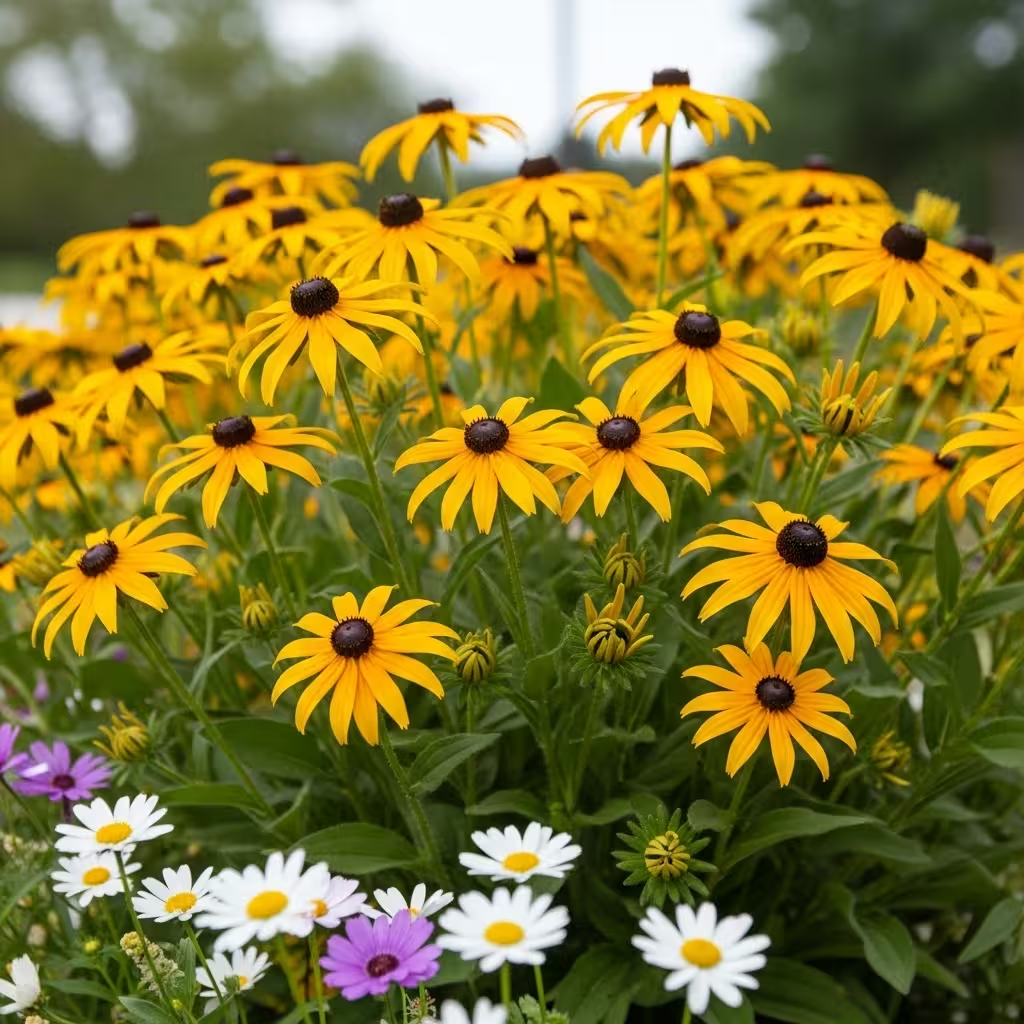
8. Black-Eyed Susans (Rudbeckia)
These provide that late-summer “gold” that keeps the garden looking vibrant when everything else is starting to look tired.
- The March Perk: They are vigorous growers. Giving them a head start in March allows them to claim their space before the summer weeds take over.
9. Coreopsis (Tickseed)
This is a “blooming machine.” Once it starts in June, it typically won’t stop until the first frost hits in October.
- The March Perk: It prefers well-drained soil, which we have plenty of during the breezy days of March. It gets its “feet” under it quickly this time of year.
The Three Rules of March Planting
Don’t Plant in “Slush” If the soil is so wet that it sticks to your shovel like glue, wait. Planting in mud compacts the soil and squeezes out the oxygen your roots need to breathe. If the soil crumbles when you squeeze it, you’re good to go.
The Bare-Root Soak Many perennials bought in March come “bare-root” (no dirt, just roots in a bag). Soak these in a bucket of lukewarm water for about 2 hours before planting. It’s like giving the plant a big glass of water after a long nap.
Mulch is the Blanket March weather is notoriously moody. One day it’s 60°F, the next it’s snowing. After planting, add a 2-inch layer of mulch. It acts as insulation, keeping the soil temperature steady while the “new kids” get settled.
You don’t need a green thumb to succeed with these nine—you just need good timing. Planting this week sets the stage for a garden that grows more beautiful every single year.