It is February 26, 2026, and if you listen closely, you can almost hear the garden waking up. We are standing on the edge of March—the “Goldilocks” month for gardeners. The ground is finally workable, the brutal deep freeze is fading, and the plants are still dormant enough to handle being moved without throwing a tantrum.
Planting perennials in March gives them a massive head start. They can establish their root systems in the cool, moist soil before the stressful heat of July arrives. Here are 9 powerhouse perennials you should get in the ground this March to enjoy for years to come.
1. Peonies (Bare Roots)
March is the last call for planting bare-root peonies. These are the “heirlooms” of the garden, known to live for 100 years.
- The March Advantage: Planting them now allows the roots to settle before they have to push out those heavy, fragrant blooms in May.
- Pro Tip: Don’t plant them too deep! The “eyes” (pink buds) should be only 1 to 2 inches below the soil surface.
2. Bleeding Hearts (Lamprocapnos spectabilis)
These cottage garden classics love the cool dampness of March. Their heart-shaped flowers are some of the first signs of spring.
- The March Advantage: They are very sensitive to heat. Getting them in the ground now ensures they aren’t “heat-shocked” during their first growth spurt.
3. Coneflowers (Echinacea)
If you want a pollinator paradise, Echinacea is your foundation. They are tough, drought-tolerant, and come in every color from sunset orange to classic purple.
- The March Advantage: While they are summer bloomers, early spring planting leads to a much sturdier stalk that won’t flop over when the flowers get heavy.
4. Hardened-Off Phlox
Creeping phlox or tall garden phlox are both excellent March additions. They provide a “carpet” of color or tall, fragrant spires.
- The March Advantage: Phlox is prone to mildew in humid weather; planting in the dry, breezy air of March helps them establish a healthy, fungus-resistant base.
5. Daylilies (Hemerocallis)
Commonly called “the perfect perennial,” daylilies are nearly impossible to kill. They can handle salt, drought, and poor soil.
- The March Advantage: Moving them now, while they look like little green fans, allows them to anchor themselves deeply so they can produce hundreds of blooms by mid-summer.
6. Salvia (Perennial Sage)
Salvia provides those essential deep purple “spikes” that every garden needs for contrast.
- The March Advantage: Salvia loves the transition from cool spring to hot summer. Planting now ensures you get a full second flush of flowers in the fall.
7. Hostas
If you have a shady spot, March is the time to fill it. Hostas are the kings of low-maintenance foliage.
- The March Advantage: You can plant hostas as soon as the soil can be worked. Because they haven’t unfurled their massive leaves yet, there is zero risk of tearing the foliage during planting.
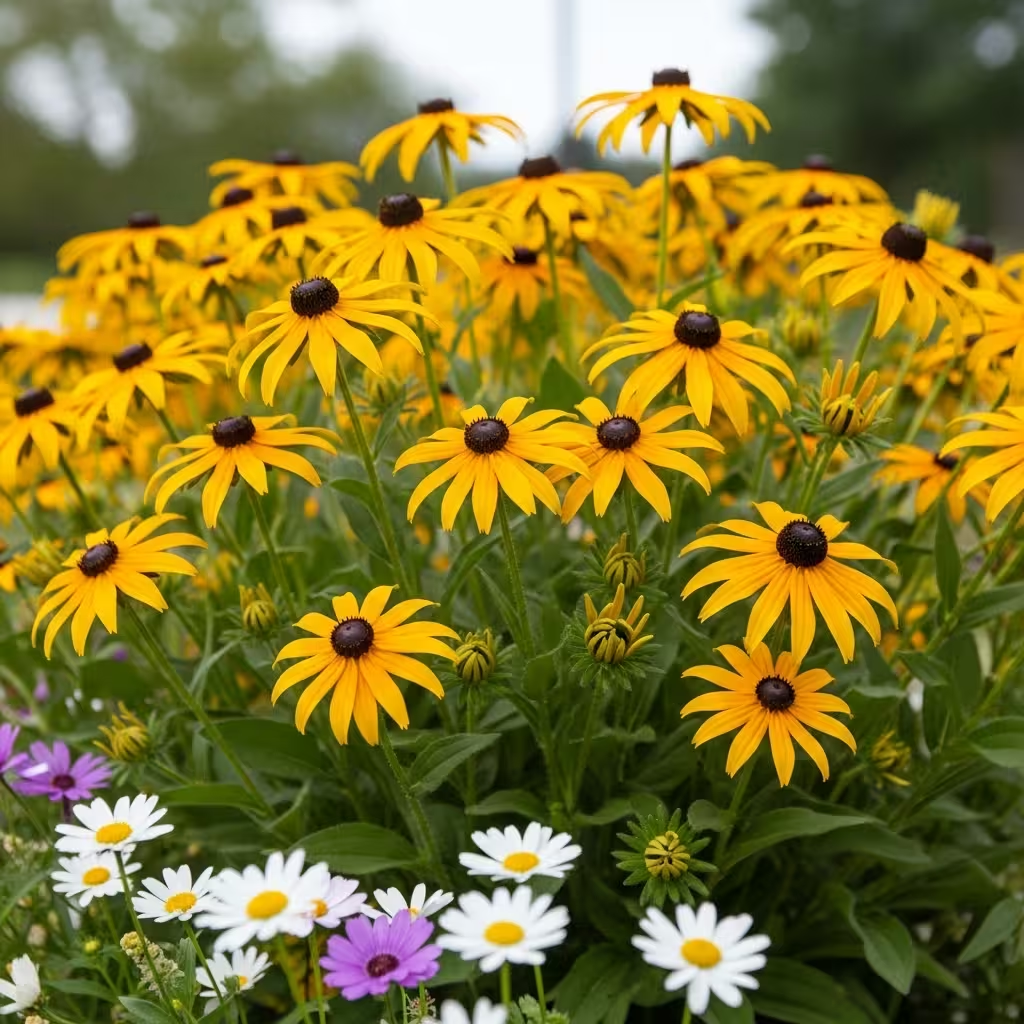
8. Black-Eyed Susans (Rudbeckia)
These provide that essential “late-summer gold” that keeps the garden looking vibrant when other plants are fading.
- The March Advantage: They are enthusiastic spreaders. Planting them now gives them room to “claim their territory” before the weeds wake up.
9. Coreopsis (Tickseed)
Coreopsis is a blooming machine. Once it starts in early summer, it rarely stops until the first frost.
- The March Advantage: It prefers lean soil. Planting in March allows it to acclimate to your local soil conditions before it puts all its energy into flower production.
The “March Planting” Checklist
- Test the Soil: Pick up a handful of dirt and squeeze. If it crumbles, you’re good to go. If it stays in a solid, muddy ball, it’s too wet—wait a few more days to avoid “compacting” the roots.
- The “Wake-Up” Soak: If you are buying bare-root plants (which are common in March), soak the roots in a bucket of lukewarm water for about 2 hours before planting. This rehydrates the plant and tells it “it’s time to grow.”
- Mulch is Mandatory: March weather is unpredictable. A 2-inch layer of mulch will act like a blanket, protecting your new additions from any surprise late-season frosts.
You don’t need to wait for the “official” start of spring to get your hands dirty. March is the window for building the “bones” of your garden. A little work this month means a lot less work—and a lot more flowers—for the next decade.