January and February often feel like the “quiet months” in the garden, with most plants tucked away in dormancy. However, for the proactive gardener, these chilly months offer a golden opportunity. By performing a light “winter cleanup” now, you can set the stage for healthier growth, better airflow, and more prolific blooms once spring arrives.
While heavy pruning is often best saved for the start of the growing season, these 10 perennials benefit significantly from a bit of mid-winter attention.
1. Hellebores (Lenten Roses)
Hellebores are among the earliest bloomers, often pushing through the soil while other plants are still asleep. In late January, take a close look at the base of your plants. Cut away any old, leathery, or spotted leaves. Removing this “tired” foliage not only makes the coming flowers more visible but also helps prevent fungal diseases from lingering into the new season. Keep any healthy green leaves, as this is more of a cleanup than a drastic cut.
2. Ornamental Grasses (Deciduous Types)
By mid-winter, many deciduous grasses like Miscanthus start looking a bit ragged due to wind and snow. To make the process easier, tie the dried stalks together with twine first. Then, use sharp shears to cut the entire clump back to just a few inches above the soil. This clears the way for fresh, bright green shoots to emerge unhindered in a few weeks.
3. Russian Sage (Perovskia)
Russian sage is fully dormant by now, making it easy to spot dead or brittle wood. Avoid doing a heavy structural prune just yet; instead, focus on thinning out snapped or collapsed stems. This tidying prevents the plant from looking messy through the rest of winter and simplifies your final spring pruning later on.
4. Butterfly Bush (Buddleja)
Like Russian Sage, the Butterfly Bush shouldn’t be cut back hard in early winter. Use this time to remove dead wood and any weak or broken branches. This “hygiene prune” improves airflow and ensures the plant’s energy isn’t wasted on damaged tissue when it wakes up.
5. Lavender (English and Hardy Hybrids)
For English lavender, winter care should be very light. Simply trim away dead or damaged stems to keep the shape neat. The golden rule: never cut into the old, woody base during winter, as this can severely weaken or even kill the plant. If in doubt, stay high and wait for spring to do more shaping.
6. Hardy Salvias (Herbaceous Types)
Once herbaceous salvias are completely dormant, you can safely cut back the old, brown stems. This removes the “clutter” from the crown, allowing sunlight and air to reach the base where new growth will soon appear. If you see any green growth already starting at the very bottom, be careful not to nick it.
7. Catmint (Nepeta)
Catmint is highly resilient, but a winter cleanup helps it look its best. Focus on removing collapsed or obviously dead stems. You don’t need a heavy hand here; the goal is simply to reduce the mess and clear a path for spring’s new foliage.
8. Bearded Iris
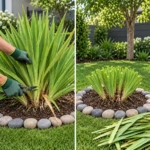
This is one of the most important winter tasks for iris lovers. Cut back old, damaged, or diseased leaves to a height of about 3 to 4 inches. Crucially, clear away any fallen leaves or debris from around the rhizomes. Bearded irises need their “backs” (the rhizomes) exposed to the air and sun; covering them with wet winter debris is a major cause of rot.
9. Yarrow (Achillea)
Yarrow doesn’t strictly require winter pruning, but it often looks rough by January. Feel free to remove spent flower stems and any flopped growth. If the plant still looks neat and you want to provide shelter for beneficial insects, it’s perfectly fine to leave it standing until spring.
10. Sedum (Upright Varieties)
Plants like ‘Autumn Joy’ sedum often hold their seed heads through early winter, providing food for birds. However, if the stems have been flattened by weather, go ahead and trim them off. If they are still standing strong, you can leave them as architectural interest until the first signs of new growth appear at the base.
What to Leave Alone
While you’re out with your pruners, remember that some plants prefer to be left completely undisturbed during the winter:
- Peonies: Their flower buds are already set; pruning now could sacrifice your spring blooms.
- Bleeding Hearts: Their crowns are delicate and easily damaged in the cold.
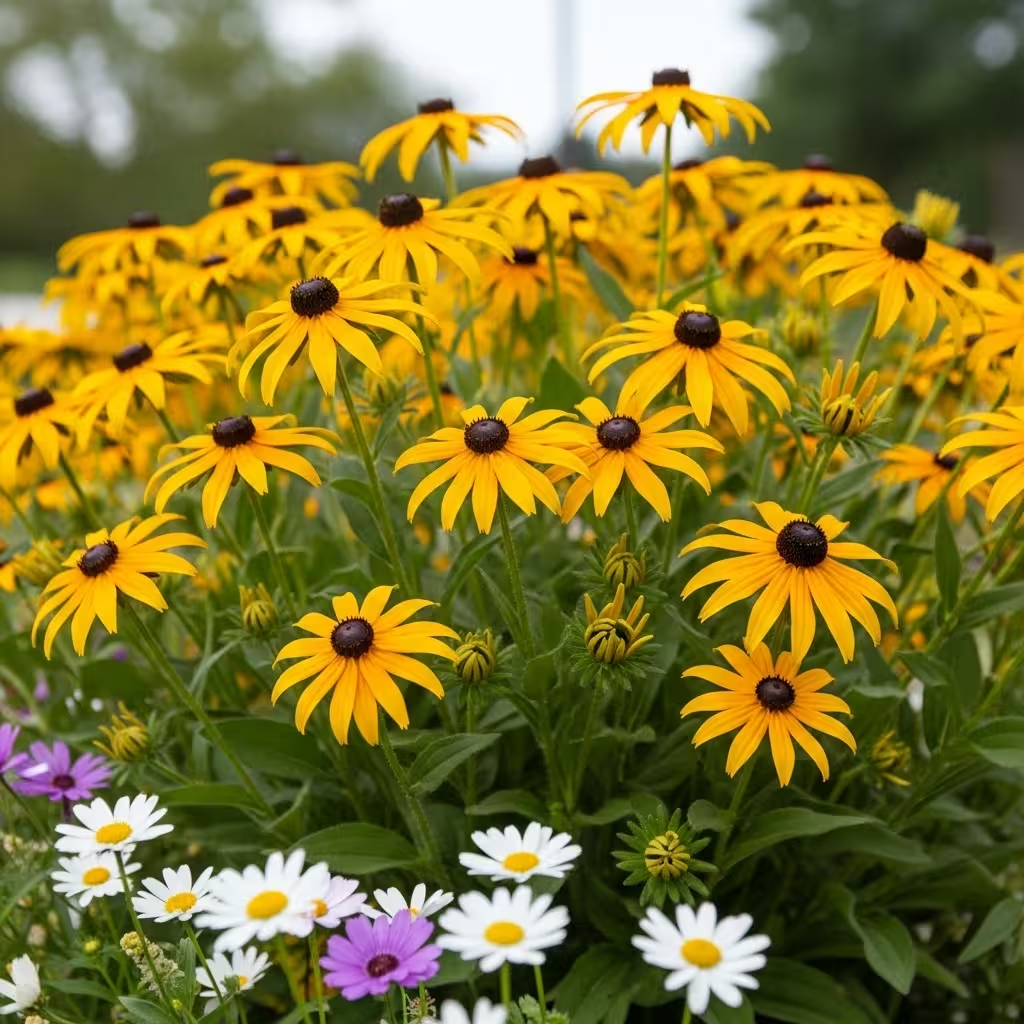
- Coneflowers & Bee Balm: Their stems provide essential winter protection for the crown and food for local wildlife.
A Note on Timing and Zones
This guide is ideal for gardeners in USDA Zones 7-10 where winters are relatively mild. If you live in a colder region where the ground is still frozen solid, it is often better to wait until late winter or very early spring when the most extreme frosts have passed.