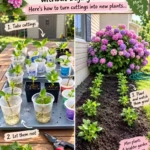
There’s something magical about watching a single cutting transform into a thriving herb garden. For rosemary enthusiasts, this transformation isn’t just possible—it’s surprisingly simple and incredibly rewarding.
Why Cloning Beats Seeding
Unlike many herbs that spring readily from seeds, rosemary takes the scenic route. Seeds can take weeks just to germinate, and the resulting plants often bear little resemblance to their parent in terms of flavor intensity or growth habits. When you propagate from cuttings, you’re essentially creating genetic twins of your favorite plant—preserving that perfect balance of pine and citrus notes, that exact growth pattern, and that particular resilience to your local climate.
Timing Is Everything
Spring through early summer offers the ideal window for propagation, when plants are actively producing tender new growth that develops roots most readily. That said, if you have a sunny windowsill and maintain consistent warmth indoors, you can experiment year-round. The key is avoiding propagation during dormancy periods when the plant’s energy reserves are low.
The Process: Simple Yet Precise
The beauty of rosemary propagation lies in its straightforward approach. Select stems that are still somewhat flexible—about 4-6 inches long—and make your cut just below a leaf node. These nodes contain the concentrated growth hormones that will eventually become your new root system.
Remove leaves from the bottom two inches of your cutting to prevent rot and focus the plant’s energy on root development rather than sustaining foliage. This bare section is where the magic happens.
Two Paths, One Destination
You have options when it comes to rooting your cuttings. Water propagation involves placing cuttings in a jar with the stripped portion submerged, changing the water every few days, and watching for roots to appear within one to three weeks. There’s something deeply satisfying about witnessing those delicate white roots emerge through the glass.
Alternatively, soil propagation means inserting cuttings directly into moist, well-draining potting mix and maintaining humidity with a cover until roots establish over two to four weeks. This method often produces sturdier root systems from the start.
Building Your Rosemary Empire
Once roots reach about two inches, your cuttings graduate to permanent homes. Success depends on containers with proper drainage, sunny locations receiving six to eight hours of daily light, and well-aerated soil. The Mediterranean origins of rosemary mean it craves sunshine and abhors wet feet—let the soil dry between waterings.
To encourage fuller, bushier plants, start pruning when they reach 6-8 inches tall by pinching back growing tips to stimulate lateral branching. Each pinch creates multiple new growth points, transforming a single stem into a lush, aromatic shrub.
When Things Go Wrong
Common issues include rotting cuttings from infrequent water changes, wilting from too-rapid sun exposure, poor rooting from using woody stems instead of green ones, and fungal problems from excessive moisture. Most problems trace back to either too much water or insufficient air circulation—rosemary evolved in breezy coastal hills, after all.
The Bigger Picture
What starts as a simple propagation project can evolve into something more. Imagine gifting homegrown rosemary plants to friends, lining your garden paths with fragrant hedges, or even selling starter plants at local markets. From a single parent plant, you can cultivate dozens of new rosemary specimens, each carrying the exact qualities you love.
The process teaches patience—roots don’t rush—and offers regular rewards as cuttings progress from vulnerable sprigs to robust plants. It’s gardening at its most elemental: understanding a plant’s needs, providing the right conditions, and stepping back to let nature work.
Whether you’re motivated by frugality, sustainability, or simply the joy of propagation, rosemary offers an ideal starting point. Hardy, forgiving, and generously productive, it transforms beginners into confident propagators. Master this technique, and you’ll never look at a single herb plant the same way again. That lone rosemary on your patio isn’t just one plant—it’s potentially dozens, waiting to be awakened.