Every gardener has experienced the fantasy: perfectly manicured borders that look effortlessly beautiful while requiring zero daily maintenance. The kind of landscaping that makes neighbors assume you have a secret gardening gene or perhaps a hidden army of maintenance elves. The truth is even better—there’s an elite group of plants that actually perform better when you ignore them.
These botanical overachievers have evolved to handle neglect, drought, poor soil, and the chaos of real life while still delivering magazine-worthy results. They’re the garden equivalent of that friend who looks great without makeup—naturally stunning with minimal effort required.
The Science of Self-Sufficient Plants
Understanding why certain plants thrive on neglect requires recognizing the evolutionary advantages of resilience over dependence. These survivors have developed sophisticated strategies for resource conservation, stress tolerance, and adaptive growth that make them perfect partners for busy gardeners.
Plants that excel in low-maintenance borders typically share key characteristics: deep root systems that access moisture other plants can’t reach, waxy or fuzzy leaves that reduce water loss, and flexible growth habits that adapt to varying conditions without losing aesthetic appeal.
1. Lavandula: The Aromatic Fortress
Lavender operates as a Mediterranean fortress, designed to withstand drought, poor soil, and blazing sun while producing clouds of fragrant blooms that make entire gardens feel like luxury spas. This isn’t just pretty—it’s functional beauty that earns its keep.
The secret lies in lavender’s silvery foliage, which reflects heat and reduces water loss, while its deep taproot mines moisture from depths that surface-rooted plants can’t access. Overwatering actually weakens these drought-adapted warriors, making neglect a virtue rather than negligence.
The Neglect Protocol: Plant once in well-draining soil, water sparingly until established, then essentially forget about it except for annual light pruning after flowering. The less attention you give, the more fragrant and compact it becomes.
2. Hosta: The Shade Solution Specialists
Hostas have mastered the art of making shade gardens look intentionally designed rather than accidentally forgotten. These foliage superstars create layered textures and colors that give borders professional polish without professional maintenance requirements.
Their broad leaves function as living architecture, creating structure and visual weight that anchors border designs while requiring nothing more than occasional watering during extreme drought. The variety of sizes and patterns available means you can create sophisticated compositions using nothing but different hosta cultivars.
The Neglect Protocol: Plant in shade, mulch once, and watch them slowly expand into impressive clumps that improve with age. They’ll signal their few needs (water during drought, slug protection in wet climates) without requiring constant monitoring.
3. Hemerocallis: The Indestructible Bloomers
Daylilies represent the perfect intersection of spectacular performance and bomb-proof durability. These plants laugh at neglect while producing successive waves of blooms that keep borders colorful for months without deadheading, staking, or special feeding.
Their clumping growth habit creates natural weed suppression while their adaptability to various soil conditions eliminates the need for soil amendments or special preparation. Modern breeding has produced varieties with extended bloom periods and repeat flowering that maximize impact per maintenance hour invested.
The Neglect Protocol: Plant anywhere from full sun to partial shade, divide every few years when clumps become crowded, and enjoy continuous blooms without intervention. They’re genuinely set-and-forget perennials.
4. Perovskia: The Architectural Drought Master
Russian sage brings vertical drama and silvery sophistication to borders while thriving in conditions that would stress more demanding plants. Its cloud-like growth habit and extended bloom period create movement and lightness that softens harsh lines without requiring support or frequent maintenance.
This plant actually performs better in poor soil than rich conditions, making it ideal for problem areas where other plants struggle. Its late-season blooms extend border interest into fall when many perennials are fading.
The Neglect Protocol: Plant in full sun, cut back hard in late winter, then ignore completely. The worse your soil and the less you water, the more compact and floriferous it becomes.
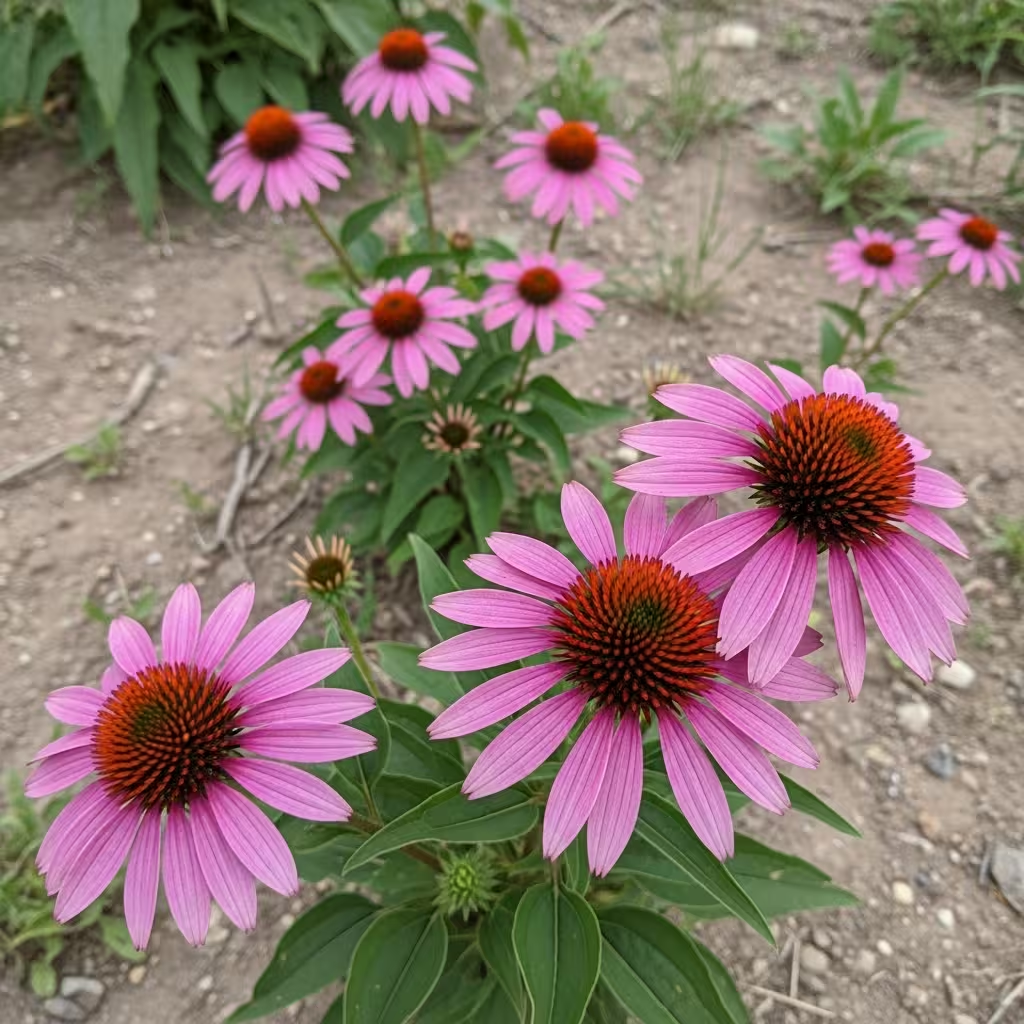
5. Echinacea: The Wildlife Magnet
Coneflowers serve double duty as border workhorses and wildlife habitats, attracting pollinators during bloom and providing seed for birds through winter. This ecological value adds layers of garden interest while requiring minimal human intervention.
Their deep taproots make them extremely drought tolerant once established, while their sturdy stems eliminate staking needs even in windy locations. The natural variation in bloom timing among different cultivars extends the flowering season without additional planting.
The Neglect Protocol: Plant in full sun, water during establishment, then let nature handle the rest. Leave seed heads standing for wildlife and you’ll get volunteer seedlings plus winter structural interest.
6. Hylotelephium: The Seasonal Transformer
‘Autumn Joy’ sedum represents the ultimate in changing seasonal interest from a single planting. Spring brings fresh succulent growth, summer develops impressive flower buds, fall explodes with color, and winter provides architectural seed heads—all without human intervention.
This succulent’s water-storing capabilities make it virtually drought-proof, while its late-season performance provides border interest when most plants are declining. The changing colors from green to pink to copper create a living seasonal calendar.
The Neglect Protocol: Plant in well-draining soil, avoid overwatering or fertilizing, cut back in spring when new growth appears. The plant essentially manages its own seasonal show.
7. Nepeta: The Perpetual Bloomer
Catmint delivers months of soft blue-purple blooms with gray-green foliage that creates perfect textural contrast in mixed borders. Its mounding habit naturally suppresses weeds while its extended bloom period eliminates the need for succession planting.
The plant’s aromatic foliage naturally repels many pests while attracting beneficial pollinators, creating a balanced garden ecosystem that requires minimal intervention. Its drought tolerance and heat resistance make it reliable in challenging locations.
The Neglect Protocol: Plant in full sun to partial shade, shear back after first flush of blooms for repeat performance, then enjoy continuous color with minimal effort.
8. Heuchera: The Foliage Color Factory
Coral bells provide year-round foliage color in shade situations where flowering plants often struggle. Modern breeding has produced varieties with purple, bronze, silver, lime, and nearly black leaves that create sophisticated color schemes without depending on flowers.
Their compact evergreen nature provides consistent border structure through all seasons while requiring minimal maintenance beyond occasional removal of dead leaves. The variety of available colors means you can paint with foliage as precisely as with blooms.
The Neglect Protocol: Plant in partial shade, provide moderate moisture during establishment, then enjoy year-round color with minimal intervention beyond spring cleanup.
Strategic Border Design for Minimum Maintenance
Creating borders that look professionally designed while requiring minimal maintenance involves understanding how these self-sufficient plants work together to create layered effects, seasonal interest, and natural weed suppression.
Height graduation places taller background plants like Russian sage behind medium-height performers like coneflowers, with lower growers like heuchera in front. This creates natural visual flow while ensuring each plant receives appropriate light exposure.
Texture mixing combines bold foliage plants like hostas with fine-textured options like catmint, creating contrast that makes both more impactful while filling different ecological niches that reduce competition.
The Economics of Neglect-Friendly Gardening
Low-maintenance border plants represent excellent long-term investments, providing years of performance from single plantings while eliminating ongoing costs for replacements, amendments, and intensive care products.
Many of these plants multiply naturally through division or self-seeding, creating additional plants that expand borders or provide material for other garden projects. This natural propagation turns initial investments into ongoing garden assets.
The time savings from choosing self-sufficient plants compounds over seasons, freeing gardeners to enjoy their spaces rather than constantly maintaining them. The reduced need for watering, fertilizing, and pest control also creates more sustainable gardening practices.
Embracing the Paradox of Neglect
The most successful low-maintenance borders embrace the paradox that caring less often produces better results. These plants have evolved to thrive under stress conditions that would challenge pampered specimens, making neglect a legitimate care strategy rather than garden abandonment.
Success with these border superstars requires initial proper placement and establishment, followed by strategic neglect that allows their natural characteristics to shine. The result is borders that look increasingly sophisticated over time while demanding less attention—the ultimate gardening achievement for busy lifestyles.
This dream team of border plants proves that spectacular garden results don’t require endless hours of maintenance. Sometimes the best thing you can do for your garden is plant well, then step back and let nature handle the details.