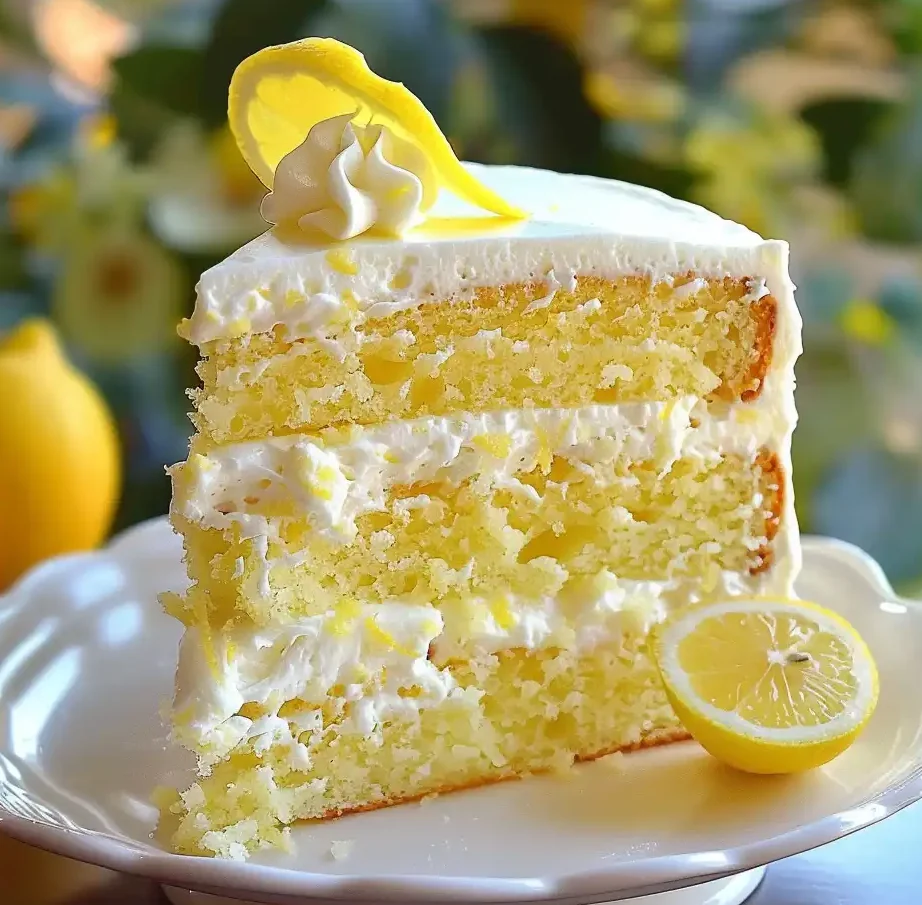
This exceptional zesty lemon layer cake recipe transforms simple ingredients into an extraordinary culinary experience that captures the essence of sunshine in every bite, combining perfectly moist cake layers infused with fresh lemon zest and juice with a luxuriously smooth cream cheese frosting that balances tartness with sweetness in sublime harmony. The genius of this dessert lies in its sophisticated layering of citrus flavors and textures, where the bright acidity of fresh lemons permeates every component from the tender crumb to the silky frosting, creating a complete dessert that delivers refreshing brightness, comforting richness, and visual elegance in every slice while showcasing the fundamental techniques of American cake-making that transform simple citrus into a celebration-worthy centerpiece.
The Art of Classic American Layer Cake Mastery
Zesty Lemon Layer Cake represents the pinnacle of American dessert craftsmanship, where technique and timing converge to create cakes that celebrate the harmony of texture, flavor, and visual appeal that define exceptional baking. Born from the tradition of American layer cakes that grace celebration tables across the nation, this recipe embodies the philosophy of “from-scratch baking” – where quality ingredients and proper technique create desserts that surpass any store-bought alternative. The dish’s evolution from simple pound cake variations to elaborate layer cake presentations demonstrates how proper understanding of baking science can elevate citrus flavors into extraordinary desserts that create lasting memories and mark life’s most important celebrations with sweetness and joy.
Understanding the Science of Perfect Lemon Cake Chemistry
The success of this zesty lemon layer cake lies in the careful balance of acids, fats, and leavening agents that creates tender, moist layers with bright citrus flavor throughout. The combination of buttermilk and sour cream provides both acidity and fat, creating tender crumb structure while enhancing the lemon flavor through acid amplification. The fresh lemon zest contains essential oils that provide intense citrus aroma and flavor, while the lemon juice adds brightness and helps activate the baking soda for optimal rise. The cream cheese frosting balances the cake’s acidity with rich, tangy sweetness, while the butter content ensures smooth spreading consistency and luxurious mouthfeel that complements rather than competes with the cake’s delicate texture.
Ingredients
For the Cake:
1 1/2 cups all-purpose flour
1 1/2 teaspoons baking powder
1/4 teaspoon baking soda
1/4 teaspoon salt
1/2 cup unsalted butter, softened
1 cup granulated sugar
2 large eggs
2 tablespoons fresh lemon zest
1/4 cup fresh lemon juice
1/2 cup buttermilk
1/2 cup sour cream
For the Frosting:
1/2 cup unsalted butter, softened
8 ounces cream cheese, softened
1 cup powdered sugar
1 tablespoon fresh lemon zest
2 tablespoons fresh lemon juice
Lemon slices for garnish
Instructions
Oven and Pan Preparation: Heat oven to 350°F (175°C) and position rack in the center for even heat distribution. Grease two 8-inch round cake pans with butter, then dust with flour, tapping out excess. This double protection ensures easy cake release and prevents sticking.
Dry Ingredient Foundation: In a medium bowl, whisk together all-purpose flour, baking powder, baking soda, and salt until evenly combined. This thorough mixing ensures even distribution of leavening agents and prevents pockets of concentrated flavor or texture.
Creaming Process: In a large mixing bowl, cream softened butter and granulated sugar using an electric mixer on medium-high speed for 3-4 minutes until the mixture is light, fluffy, and pale in color. Proper creaming incorporates air and creates the cake’s tender structure.
Egg Integration: Beat in eggs one at a time, mixing well after each addition and scraping down bowl sides as needed. This gradual incorporation prevents the batter from breaking and ensures smooth texture throughout.
Citrus Infusion: Mix in fresh lemon zest and lemon juice until evenly distributed. The zest provides intense citrus oils while the juice adds brightness and helps activate the chemical leavening agents.
Alternating Addition Method: Add the dry ingredients in three additions, alternating with the buttermilk and sour cream mixture in two additions, beginning and ending with dry ingredients. Mix just until combined after each addition to prevent overworking the gluten and maintain tender texture.
Baking Process: Divide batter evenly between prepared pans, smoothing tops with an offset spatula. Bake for 25-30 minutes until the cakes spring back when lightly touched and a toothpick inserted in the center comes out with just a few moist crumbs.
Cooling Protocol: Cool cakes in pans for 10 minutes to prevent breaking, then turn out onto wire racks to cool completely before frosting. Proper cooling prevents frosting from melting and ensures clean assembly.
Frosting Preparation: Beat softened butter and cream cheese with an electric mixer until smooth and well combined. Gradually add powdered sugar, beating until light and fluffy. Mix in lemon zest and lemon juice until evenly incorporated and frosting reaches spreading consistency.
Assembly Excellence: Place one cake layer on serving plate, spread frosting evenly over top, then add second layer. Frost top and sides with remaining frosting, using smooth strokes for professional appearance. Garnish with fresh lemon slices arranged decoratively on top and around the base.
Professional Tips for Perfect Results
Ingredient Temperature: Ensure all dairy ingredients are at room temperature for optimal mixing and smooth batter consistency. Cold ingredients can cause the batter to curdle.
Zest Technique: Use a microplane grater for fine lemon zest and avoid the bitter white pith. Roll lemons on the counter before zesting to release more oils.
Measuring Accuracy: Use the spoon-and-level method for flour to avoid dense, heavy cakes. Too much flour creates tough, dry texture.
Mixing Method: Follow the alternating addition method precisely to develop proper gluten structure without overworking the batter.
Doneness Testing: Test for doneness with multiple indicators: spring-back test, toothpick test, and visual cues of golden edges pulling slightly from pan sides.
Troubleshooting Common Issues
Dense, Heavy Cake: Check ingredient measurements, ensure proper creaming, and don’t overmix once flour is added. Old baking powder can also cause density issues.
Dry Cake Texture: Avoid overbaking and ensure accurate measurements of wet ingredients. Buttermilk and sour cream provide essential moisture.
Weak Lemon Flavor: Use fresh lemon zest and juice rather than extracts or bottled juice. The oils in fresh zest provide the most intense flavor.
Frosting Too Soft: Ensure cream cheese and butter are softened but not warm. Chill frosting briefly if too soft to spread properly.
Uneven Layers: Use a kitchen scale to divide batter evenly, or measure with a large spoon to ensure equal distribution between pans.
Creative Variations and Adaptations
While the classic version is perfection, this recipe serves as an excellent foundation for creative interpretations:
Citrus Alternatives: Substitute lime, orange, or grapefruit zest and juice for different citrus profiles while maintaining the same proportions.
Berry Additions: Add fresh blueberries or raspberries to the batter for complementary fruit flavors and visual appeal.
Filling Variations: Add lemon curd between layers for intensified citrus flavor and luxurious texture contrast.
Frosting Alternatives: Try Swiss meringue buttercream or lemon glaze for different texture and flavor profiles.
Presentation Styles: Make as cupcakes, sheet cake, or bundt cake using adjusted baking times for different serving occasions.
Storage and Serving Guidelines
This lemon layer cake is best enjoyed at room temperature for optimal flavor and texture. The completed cake can be stored covered at room temperature for up to 2 days or refrigerated for up to 5 days. If refrigerated, bring to room temperature 30 minutes before serving for best texture and flavor release. The unfrosted cake layers can be wrapped tightly and frozen for up to 3 months, while the frosted cake should not be frozen as the cream cheese frosting may separate upon thawing. For best presentation, frost the cake the day of serving to maintain the frosting’s smooth appearance and prevent absorption into the cake.
Nutritional Benefits and Dietary Considerations
This dessert provides calcium from dairy ingredients and vitamin C from fresh lemon juice, though it should be enjoyed as an occasional treat due to its sugar and fat content. The cake can be made lighter by substituting some butter with applesauce or using reduced-fat cream cheese in the frosting, though texture will be affected. For gluten-free versions, substitute with a 1:1 gluten-free flour blend, though texture may be slightly different. The recipe can be made dairy-free using plant-based butter and cream cheese alternatives, though flavor and texture will vary from the original.
Serving Suggestions and Presentation Ideas
Zesty lemon layer cake works beautifully as the centerpiece for birthday celebrations, spring gatherings, Easter dinners, and summer parties where its bright, refreshing flavor profile complements warm weather and festive occasions. Serve with fresh berries, mint sprigs, or a dusting of powdered sugar for enhanced visual appeal. For beverages, consider champagne, prosecco, or sparkling water with lemon for adults, and lemonade or iced tea for family gatherings. Present on a decorative cake stand with proper cake server for elegant serving, and consider providing small dessert plates and forks for comfortable enjoyment.
Frequently Asked Questions
Q: Can I make this cake in advance? A: Yes, cake layers can be made 2 days ahead and stored wrapped at room temperature, or frosted cake can be made 1 day ahead and refrigerated.
Q: What’s the best substitute for buttermilk? A: Add 1 tablespoon lemon juice or white vinegar to 1/2 cup regular milk and let sit 5 minutes to create a buttermilk substitute.
Q: Why did my frosting turn out grainy? A: Ensure powdered sugar is sifted and cream cheese is properly softened. Beat longer to dissolve sugar crystals completely.
Q: Can I use bottled lemon juice? A: Fresh lemon juice provides the best flavor, but bottled can be substituted in equal amounts. Fresh zest cannot be substituted and is essential for optimal flavor.
Q: How do I prevent my cake from sticking? A: Properly grease pans with butter and flour, or use parchment paper circles in the bottom of pans for foolproof release.
Q: What if my batter looks curdled? A: This often happens when ingredients are too cold. Continue mixing and the batter should smooth out, or briefly warm the bowl with your hands.
Q: How do I achieve smooth frosting? A: Ensure all ingredients are at room temperature, beat thoroughly, and use an offset spatula for smooth application.
Q: Can I make cupcakes instead? A: Yes, divide batter among 18-20 cupcake liners and bake 18-22 minutes until done. Frosting recipe will be enough for all cupcakes.
This zesty lemon layer cake recipe represents the perfect balance of technique and flavor, delivering a bakery-quality dessert that transforms simple ingredients into an extraordinary celebration centerpiece that satisfies both the desire for bright, refreshing flavors and the comfort of homemade cake while showcasing the fundamental principles of American baking that make every slice a celebration of citrus sunshine and culinary craftsmanship.
bestfeed
Zesty Lemon Layer Cake
A bright and tangy lemon layer cake with creamy lemon frosting that balances sweetness with citrus flavor. Perfect for special occasions or whenever you crave a refreshing dessert that will impress family and friends.
Preheat your oven to 350°F (175°C). This temperature ensures the cake bakes evenly and develops a tender crumb while maintaining moisture.
Prepare Pans
Thoroughly grease and flour two 8-inch cake pans. This creates a non-stick surface that will help the cakes release easily after baking.
Mix Dry Ingredients
In a medium bowl, whisk together the flour, baking powder, baking soda, and salt. This ensures even distribution of leavening agents throughout the batter.
Cream Butter and Sugar
In a large mixing bowl, cream the butter and granulated sugar until light and fluffy, about 3-4 minutes. This incorporates air into the batter, creating a lighter texture in the finished cake.
Add Eggs
Beat in eggs one at a time, mixing well after each addition. This gradual incorporation prevents the batter from curdling.
Add Lemon Flavor
Mix in the lemon zest and fresh lemon juice. The zest contains essential oils that provide intense lemon flavor, while the juice adds tartness.
Combine Wet and Dry Ingredients
Gradually add the dry ingredients to the butter mixture, alternating with the buttermilk and sour cream. Begin and end with the dry ingredients, mixing just until combined after each addition. This method prevents overmixing and ensures a tender cake.
Divide Batter
Divide the batter evenly between the prepared cake pans, smoothing the tops with a spatula for even baking.
Bake
Bake for 25-30 minutes, or until a toothpick inserted into the center comes out clean and the edges begin to pull away from the sides of the pan.
Initial Cooling
Allow the cakes to cool in the pans for 10 minutes. This brief cooling period helps the cakes set before removal.
Complete Cooling
Carefully remove the cakes from the pans and transfer to wire racks to cool completely. Ensure they are fully cooled before frosting to prevent the frosting from melting.
Prepare Frosting Base
In a large mixing bowl, beat the softened butter and cream cheese until smooth and creamy, about 2-3 minutes.
Add Sweetness
Gradually add the powdered sugar, mixing at low speed until incorporated, then increase speed to achieve a fluffy texture.
Flavor the Frosting
Mix in the lemon zest and juice until well combined, creating a tangy, creamy frosting that complements the cake.
Assemble and Frost
Place one cake layer on a serving plate, spread a generous layer of frosting on top, then place the second cake layer. Frost the top and sides of the cake with the remaining frosting, creating a smooth or textured finish as desired.
Garnish
Decorate the cake with fresh lemon slices around the top edge for a beautiful presentation that hints at the flavors inside.
Notes
For extra lemon flavor, you can brush each cake layer with a lemon simple syrup (equal parts lemon juice and sugar, heated until dissolved) before frosting.
Room temperature ingredients (butter, eggs, buttermilk, sour cream) blend more easily and create a smoother batter.
The cake can be made a day ahead; wrap unfrosted layers tightly in plastic wrap and refrigerate.
For best flavor, use fresh lemons rather than bottled juice.
Cream cheese frosting softens at room temperature, so refrigerate the cake if not serving immediately.