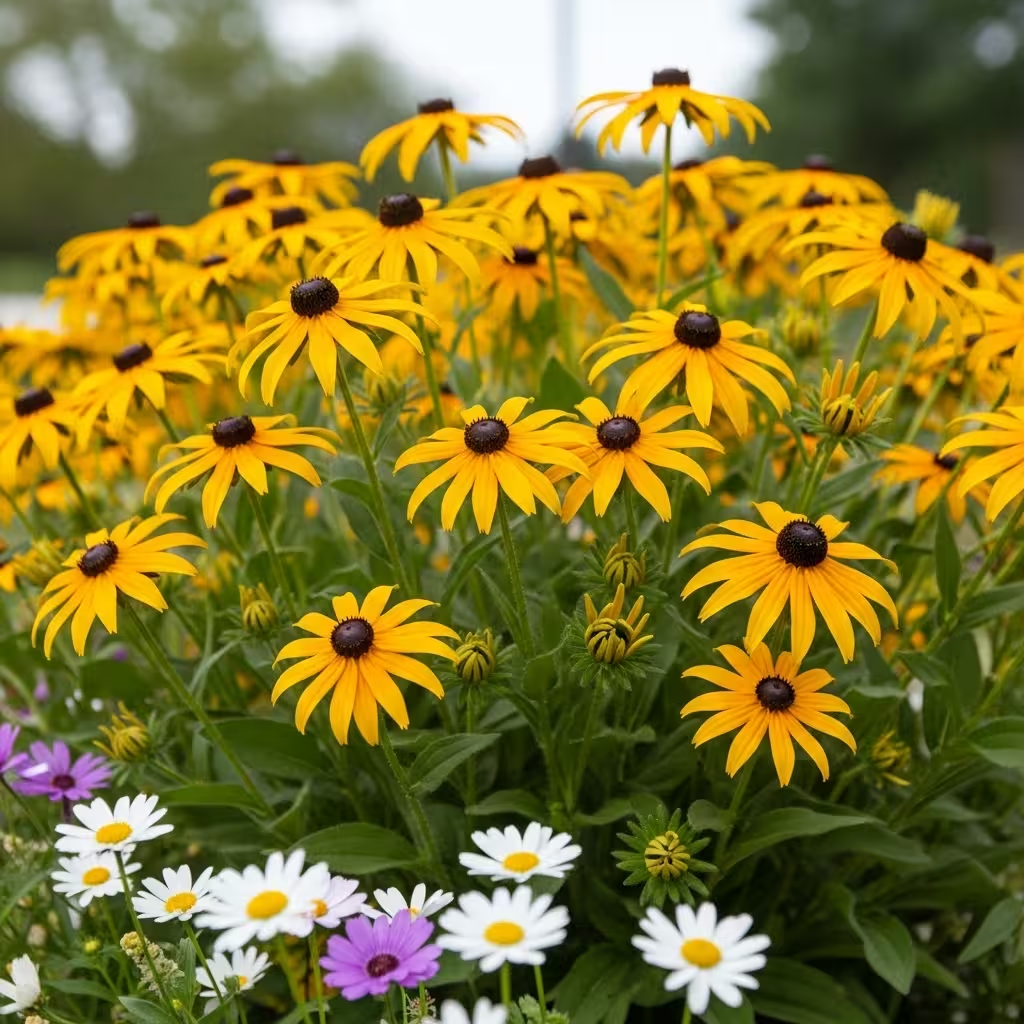
What if you could plant a flower once and enjoy its beauty every summer for the rest of your life—without ever buying another seed packet? This isn’t gardening magic; it’s the power of self-seeding.
While perennials return from the same root system, self-seeding annuals and biennials take a different approach: they drop thousands of seeds at the end of their bloom cycle, which then “hitchhike” through the winter to sprout as brand-new plants in the spring. This creates a dynamic, “wandering” garden that fills in gaps, suppresses weeds, and looks more natural with every passing year.
Here are 9 resilient self-seeders that will give you a lifetime of color for a one-time investment.
1. Poppies (California & Breadseed): The Pepper Shakers
Poppies are the royalty of self-seeders. Once the petals fall, they leave behind a decorative seed pod that acts like a salt shaker. As the wind blows, tiny seeds are scattered across the garden.
Why they work: They find the tiniest cracks in soil and thrive in poor conditions. Once you have poppies, you will always have poppies.
2. Nigella (Love-in-a-Mist): The Victorian Classic
Nigella features misty, fern-like foliage and jewel-toned blue or white flowers. When the flowers fade, they produce large, “horned” seed pods that look like something out of a fairy tale.
Why they work: They are incredibly hardy and will sprout even in the coldest spring soil.
3. Calendula (Pot Marigold): The Golden Healer
Calendula is a workhorse. Its bright orange and yellow blooms are edible, medicinal, and irresistible to pollinators.
Why they work: It produces “C-shaped” seeds that are large and easy to recognize. It often provides two “crops” of flowers in a single season because it grows so fast.
4. Cosmos: The Airy All-Star
If you want height and a “cottage garden” feel, Cosmos is essential. They bloom late into the autumn, providing color when other plants are fading.
Why they work: A single plant can produce hundreds of needle-like seeds. If you leave just a few dead flower heads on the stalk, you’ll have a forest of Cosmos next year.
5. Verbena Bonariensis: The Purple Lollipops
These tall, wiry stems topped with purple clusters are perfect for “see-through” planting. They don’t block the view of plants behind them.
Why they work: They are technically tender perennials, but they seed so prolifically that they behave like annuals that never leave.
6. Forget-Me-Nots: The Spring Carpet
These tiny blue flowers are the classic “gap fillers.” They bloom early in the spring, creating a blue mist beneath your tulips and daffodils.
Why they work: They love the damp, cool spots of the garden where other seeds might rot.
7. Borage (Starflower): The Bee Magnet
Borage has fuzzy leaves and stunning, star-shaped blue flowers that taste like cucumber. It is widely considered one of the best plants for honeybees.
Why they work: It is a vigorous grower. If it likes its spot, it will return faithfully, providing a lush green backdrop for your other flowers.
8. Sunflowers (Smaller Varieties): The Bird’s Gift
While we usually harvest large sunflowers, smaller branching varieties are excellent self-seeders.
Why they work: If the birds don’t eat every single seed, the ones that fall to the ground will sprout into sturdy “volunteers” the following June.
9. Cerinthe Major (Honeywort): The Silver & Blue Beauty
This unique plant features silvery-blue leaves and drooping purple bells. It’s a sophisticated addition to any border.
Why they work: The seeds are large (about the size of a peppercorn) and drop straight down, creating a nice, tidy clump of new plants the following year.
The 3 Golden Rules of Self-Seeding Success
Stop the Deadheading: This is the hardest rule for “neat” gardeners! To get seeds, you must allow the flowers to fade and the pods to turn brown and dry on the plant. If you cut the flowers off as soon as they wilt, you are cutting off next year’s “free” plants.
Know Your “Babies”: Many gardeners accidentally pull up their self-seeded treasures, thinking they are weeds. Learn what the seedlings of your favorite flowers look like (use a plant ID app or look at photos online) so you can leave them alone during spring cleanup.
Bare Soil is Best: Most of these seeds need “soil-to-seed” contact to germinate. If your garden is covered in 4 inches of heavy wood mulch, the seeds may never reach the dirt. Leave a few “mulch-free” zones where your self-seeders are most likely to drop.
Self-seeding flowers allow the garden to design itself. They move to the spots where they are happiest, creating a resilient, effortless landscape that gets better with time.