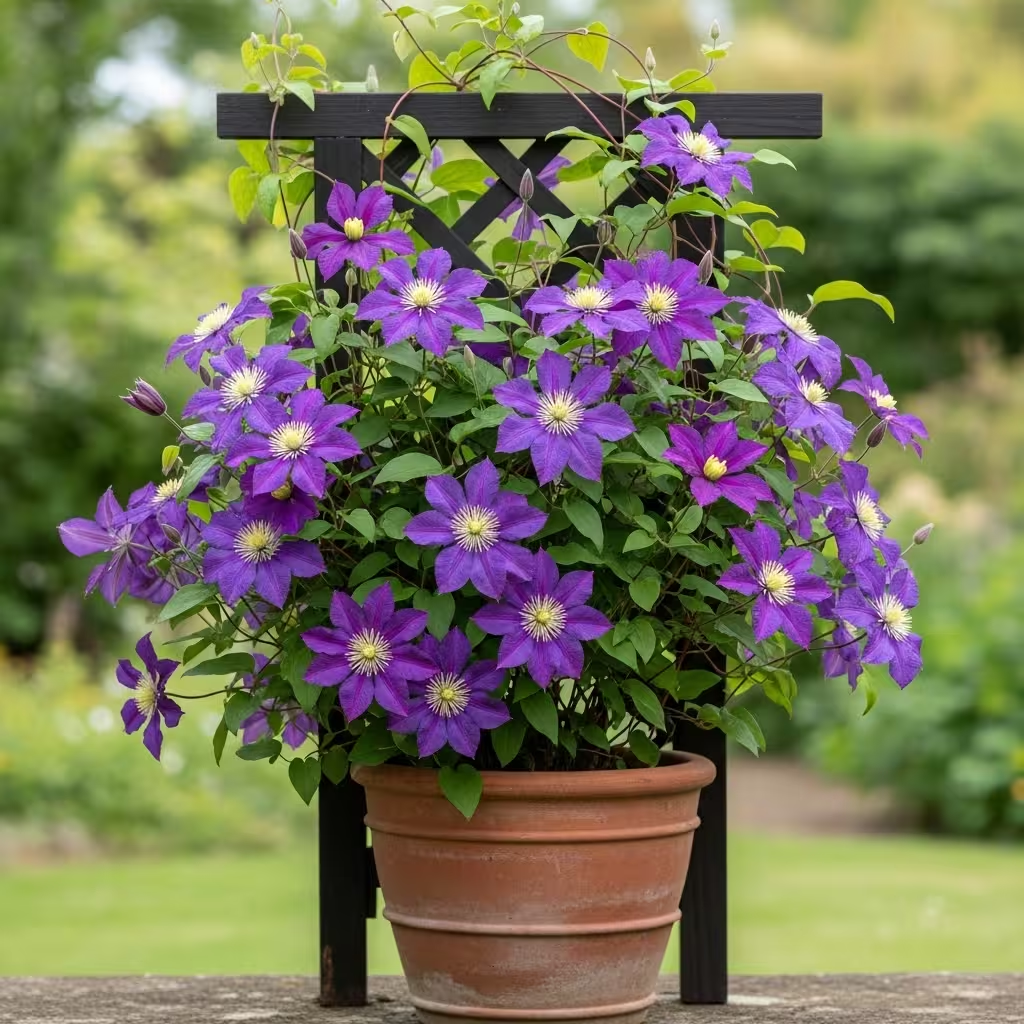
While the landscape outside may be tucked under a blanket of frost, January is secretly the most important month for a forward-thinking gardener. It is the month of the “slow-burn” crops—the plants that take so long to mature that if you wait until the spring thaw to plant them, you’ve already missed your window.
Starting seeds indoors in January isn’t just about gardening; it’s the ultimate cure for the mid-winter blues. Here is how to navigate the January planting calendar based on your climate and which crops benefit most from an early wake-up call.
1. Know Your Zone: The “When” Matters
Before you drop a single seed into the soil, you must know your USDA Hardiness Zone. January means very different things depending on where you live:
- Zones 8-10 (Warmer Climates): You are likely 6–8 weeks away from your last frost. For you, January is high season for starting tomatoes, peppers, and even eggplants.
- Zones 5-7 (Moderate to Cold): Your “last frost” is months away. For you, January is reserved only for the slowest-growing perennials and cool-season “marathon” vegetables.
2. The “Marathon” Vegetables: Start These Now
These crops have notoriously long lead times. They spend their first few weeks growing almost invisibly slow, which is why they need a massive head start indoors.
- Onions and Leeks: Unlike many veggies, onions can spend 10–12 weeks indoors before being transplanted. Starting them in January ensures they have thick enough necks to withstand the transition to the garden in early spring.
- Celery: Celery is a “diva” of the garden. It takes a long time to germinate and even longer to establish. A January start is essential if you want stalks that aren’t bitter and stringy by summer.
- Artichokes: If you live in a colder zone and want to grow artichokes as annuals, they need a “chilling period” and a very early start to produce those delicious buds in their first year.
3. Perennial Herbs and Flowers
Many herbs and flowers don’t behave like “weedy” annuals that pop up in days. They need time to develop sturdy root systems.
- Lavender and Rosemary: These are notoriously slow to grow from seed. Starting them in January gives them the 3–4 months they need to become viable little shrubs by May.
- Begonias and Geraniums: If you want a porch full of color by the first day of spring, these flowers need to be sown now. Their dust-like seeds take weeks just to resemble a plant.
4. Hot Peppers (For Warmer Zones)
If you are in a warmer zone (7 or higher), January is the time for Super-Hot peppers (like Habaneros or Ghost Peppers). These varieties require higher soil temperatures and can take up to 30 days just to sprout. Getting them into a seed tray with a heat mat now ensures they have a long enough season to actually produce fruit.
The Three Pillars of January Success
To succeed this early in the year, you cannot rely on a sunny windowsill alone. You need three specific tools:
- Artificial Light: In January, the sun is too low and the days are too short. Your seedlings will become “leggy” (tall and weak) without a dedicated LED or fluorescent grow light positioned just a few inches above them.
- Bottom Heat: Most seeds need a soil temperature of 70°F (21°C) to germinate. Since most homes are cooler in the winter, a seedling heat mat is the “secret sauce” to waking those seeds up.
- Sterile Seed Mix: Don’t use garden soil! It’s too heavy and may contain dormant pests or fungi. Use a light, fluffy “seed starting mix” designed to hold moisture while allowing tiny roots to breathe.
Final Thought: Don’t Rush the Tomatoes!
The biggest mistake a January gardener can make is starting “fast” crops like tomatoes, squash, or zinnias too early. If you start a tomato in January in Zone 6, it will be three feet tall and root-bound by the time it’s safe to go outside in May.