Imagine a garden where plants actively recruit their own replacements, expanding your flower beds without you having to purchase a single new specimen. Where last year’s modest investment transforms into this year’s abundant display, and next year promises even greater returns. This isn’t gardening fantasy—it’s the reality of working with nature’s most generous performers.
Self-propagating perennials are the ultimate gardening hack, combining the satisfaction of a lush landscape with the efficiency that busy lives demand. These botanical overachievers don’t just survive—they thrive, spread, and create garden magic while you sleep.
The Secret Lives of Self-Multiplying Plants
Not all perennials are created equal. While some politely stay put year after year, others have evolved fascinating strategies for expansion. Some shoot underground runners in every direction. Others scatter seeds with the precision of nature’s own broadcasting system. A few clever species employ both tactics, ensuring their genetic success while filling your garden beds.
Understanding these natural multiplication methods helps you harness their power rather than fighting against it. The key is choosing the right plants for your space and learning to guide their enthusiasm rather than suppress it.
1. Rudbeckia: The Golden Takeover Artist
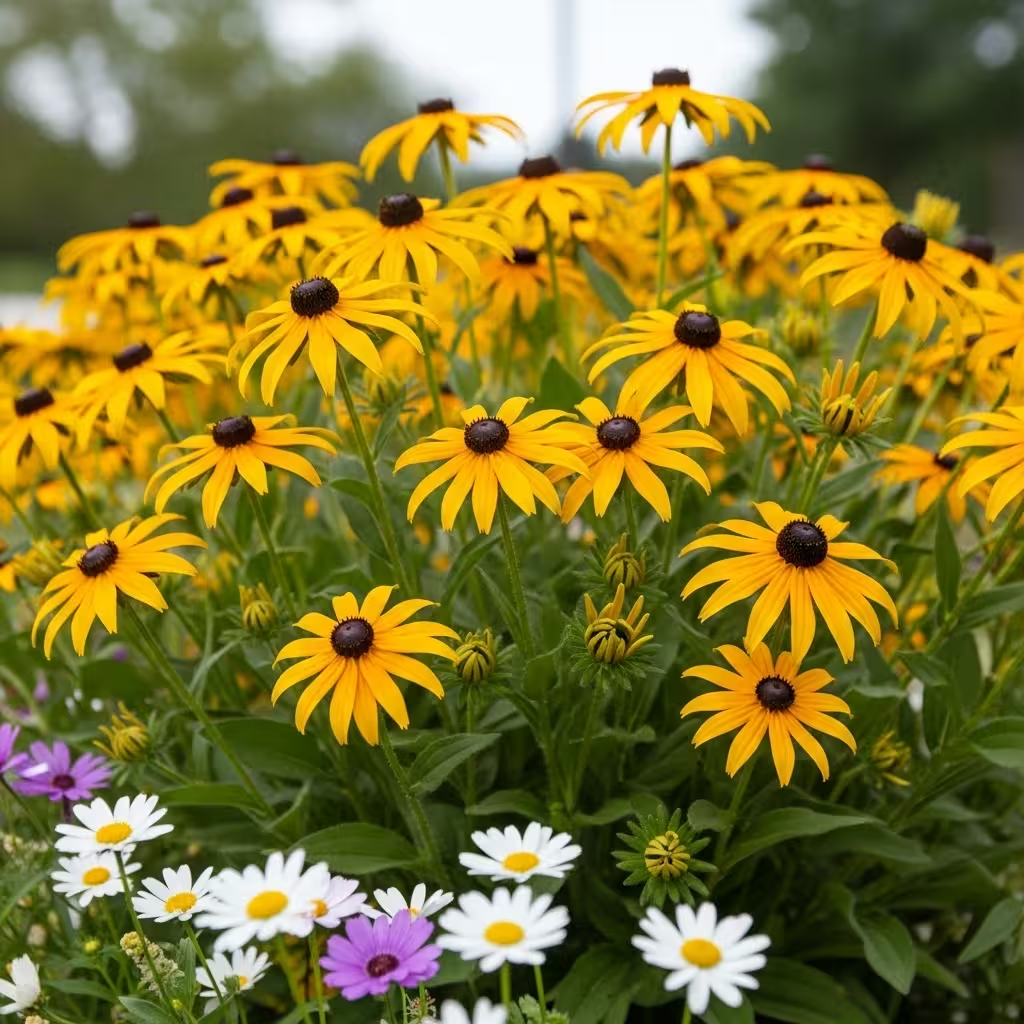
Black-eyed Susans operate like nature’s own expansion team. Their cheerful yellow blooms hide a sophisticated propagation system that combines prolific seeding with aggressive rhizome spread. A single plant can birth dozens of offspring within two growing seasons.
These prairie natives have adapted to colonize disturbed ground quickly, making them perfect for filling in sparse areas or naturalizing difficult slopes. Their late-season persistence means continuous seed production, while their spreading roots create ever-widening colonies of gold.
The beauty of Rudbeckia lies in its democratic approach to garden real estate—it doesn’t discriminate against poor soil, drought conditions, or neglectful gardeners. Plant it once, and you’ll discover new seedlings emerging in the most unexpected places.
2. Echinacea: The Butterfly Magnet Multiplier
Purple coneflowers have mastered the art of selective self-sowing. Unlike aggressive spreaders that pop up everywhere, Echinacea tends to establish thoughtful colonies in areas that suit its preferences—well-drained spots with decent sun exposure.
These native beauties produce seeds that goldfinches adore, creating a natural partnership where birds help distribute offspring throughout your landscape. The plants that emerge often display slight variations in bloom color and size, creating naturalistic diversity that looks intentional rather than weedy.
Mature Echinacea clumps also expand slowly via short rhizomes, creating fuller displays without the invasive tendencies of more aggressive spreaders. This restrained enthusiasm makes them ideal for mixed perennial borders where you want expansion without domination.
3. Hemerocallis: The Clumping Champions
Daylilies exemplify the “slow and steady” approach to garden multiplication. Rather than scattering seeds wildly, they focus their energy on building impressive clumps that double in size every few years. Each fan of leaves becomes multiple fans, creating dense masses of foliage topped with successive waves of blooms.
This clumping habit makes daylilies excellent living investments. A $15 plant becomes a $200 landscape feature within five years, providing enough divisions to fill multiple garden areas or share with neighbors. Their reliability and longevity mean you’re essentially planting a lifetime supply of flowers.
The variety available in modern daylilies—from miniature species to giant dinner-plate blooms—means you can create entire landscapes using nothing but different cultivars of this single, self-multiplying genus.
4. Leucanthemum: The Classic Spreader
Shasta daisies embody the quintessential perennial flower while possessing surprisingly aggressive multiplication tactics. They combine enthusiastic self-seeding with steady clump expansion, creating drifts of white blooms that expand annually.
Their ability to thrive in various conditions—from rich garden soil to roadside gravel—makes them adaptable colonizers. Young plants often appear in cracks between pavers, along fence lines, and in other unexpected locations where seeds have found purchase.
The key to managing Shasta daisies is embracing their wandering nature while occasionally redirecting their enthusiasm. Transplant volunteers to desired locations and remove them from areas where they’re unwelcome.
5. Monarda: The Rapid Response Team
Bee balm treats underground real estate like a conquest opportunity. Its rhizomes spread with remarkable speed, creating substantial patches within a single growing season. This aggressive expansion makes it either a gardener’s dream or nightmare, depending on perspective and planning.
The upside of Monarda’s enthusiasm is its ability to fill problem areas quickly—slopes that need erosion control, boggy spots where other plants struggle, or large spaces that would be expensive to plant densely. Its fragrant foliage and pollinator-attracting blooms make these expanded colonies valuable garden features.
Managing bee balm requires understanding its territorial ambitions. Give it space to roam, or be prepared to conduct annual removal sessions to keep it within bounds.
6. Pulmonaria: The Shade Strategist
Lungwort operates as a ground cover specialist, slowly but steadily claiming territory in woodland conditions. Its strategy involves patient expansion through creeping rootstock, creating dense mats of spotted foliage topped with early spring blooms.
This measured approach makes Pulmonaria ideal for areas where you want complete coverage without aggressive invasion. It naturally forms living mulch that suppresses weeds while providing seasonal interest through changing leaf colors and textures.
The plant’s deer resistance and shade tolerance make it valuable for difficult garden areas where other perennials struggle to establish, let alone multiply.
7. Achillea: The Drought Survivor Network
Yarrow has perfected the art of multiplication under stress. Its combination of rhizome spread and prolific seeding allows it to colonize areas that would challenge less adaptable plants. This makes it invaluable for xeriscaping and naturalistic plantings.
Different yarrow species and cultivars spread at varying rates, from gentle clump-formers to aggressive ground covers. This diversity allows gardeners to choose the level of expansion appropriate for their specific needs and conditions.
The plant’s ability to thrive in poor soil and drought conditions means its offspring inherit these same survival traits, creating self-sustaining populations that improve rather than degrade over time.
8. Lysimachia: The Carpet Creator
Creeping Jenny approaches multiplication with single-minded determination. Its trailing stems root wherever they touch soil, creating expanding mats of bright foliage that can transform bare ground into lush carpet within a season.
This aggressive rooting makes it exceptional for erosion control on slopes or filling in around stepping stones and water features. However, the same trait requires vigilant management in formal gardens where boundaries matter.
The plant’s ability to thrive in both sun and shade, wet and moderately dry conditions, gives it broad adaptability that translates into reliable multiplication across various garden environments.
9. Nepeta: The Pollinator Highway Builder
Catmint combines attractive, mounding growth with steady but manageable expansion. Its multiplication strategy involves both modest self-seeding and gradual clump enlargement, creating colonies that grow larger and more impressive each year without becoming invasive.
The plant’s long blooming period and pollinator appeal make expanding colonies increasingly valuable for wildlife support. Bees and butterflies visit established catmint patches throughout the growing season, making them anchor points for beneficial insect activity.
Its drought tolerance and deer resistance mean that volunteer seedlings often appear in tough locations where they provide solutions to difficult landscaping challenges.
10. Stachys: The Sensory Spreader
Lamb’s ear multiplies through creeping stems that root and form new plants, creating expanding colonies of silvery foliage. This slow but steady spread makes it excellent for edging and ground cover applications where complete coverage is desired.
The plant’s distinctive texture and color provide consistent visual impact that improves as colonies mature and fill in completely. Its drought tolerance means established patches require minimal maintenance while continuing to expand.
The soft, tactile quality of the foliage makes expanding Stachys plantings particularly valuable in sensory gardens or areas where children play.
11. Coreopsis: The Sunny Optimist
Tickseed species vary in their multiplication strategies, with some forming expanding clumps while others scatter seeds prolifically. This diversity allows gardeners to choose varieties that match their expansion preferences while ensuring reliable multiplication.
The genus’s adaptation to poor soils and dry conditions means volunteer seedlings often establish in challenging locations, providing natural solutions to difficult landscaping problems. Their long blooming period ensures continuous seed production for ongoing multiplication.
Different species bloom at slightly different times, so mixed Coreopsis plantings provide extended seasonal interest while creating diverse genetic pools for future generations.
12. Hosta: The Shade Empire Builder
Hostas approach multiplication with methodical precision. Rather than scattering offspring randomly, they focus energy on building substantial clumps that can be divided every few years to create multiple plants identical to the parent.
This predictable multiplication makes Hosta collections excellent long-term investments. Expensive specialty cultivars become affordable landscape features when their divisions fill multiple garden areas over time.
The ability to share divisions with other gardeners creates opportunities for plant swaps and community building that extend beyond the immediate garden benefits.
Working With Nature’s Multiplication Masters
Success with self-propagating perennials requires shifting from a control mindset to a collaboration approach. Instead of fighting natural spreading tendencies, learn to direct and harness them for garden goals.
Consider these plants as living infrastructure that improves over time. Initial investments in quality specimens pay dividends through years of natural multiplication, reducing long-term garden costs while increasing landscape value.
The key is matching plant personalities with garden needs. Aggressive spreaders work well in naturalistic areas or problem sites, while gentler multipliers suit formal borders and mixed plantings.
The Economics of Multiplication
Self-propagating perennials represent gardening’s best return on investment. A single plant purchase can generate dozens of offspring over several years, creating landscape value that far exceeds the initial cost.
This multiplication also provides trading currency with other gardeners. Excess divisions and seedlings become valuable commodities in plant swaps, creating opportunities to diversify garden plantings without additional monetary investment.
For new gardeners or those on tight budgets, focusing on self-multiplying perennials creates impressive landscapes quickly and affordably, proving that great gardens don’t require great expense—just smart plant choices and patience.
Embracing Garden Evolution
Gardens planted with self-propagating perennials evolve continuously, creating landscapes that improve and mature naturally. This evolution reflects natural processes while reducing maintenance demands and increasing wildlife value.
The surprise element of volunteer seedlings appearing in unexpected locations adds spontaneity and discovery to garden experiences. These natural gifts often create combinations and effects that planned plantings might miss.
By working with plants that multiply themselves, gardeners participate in natural cycles while creating landscapes that truly grow better with time. It’s gardening in partnership with nature’s own multiplication strategies—and the results speak for themselves.