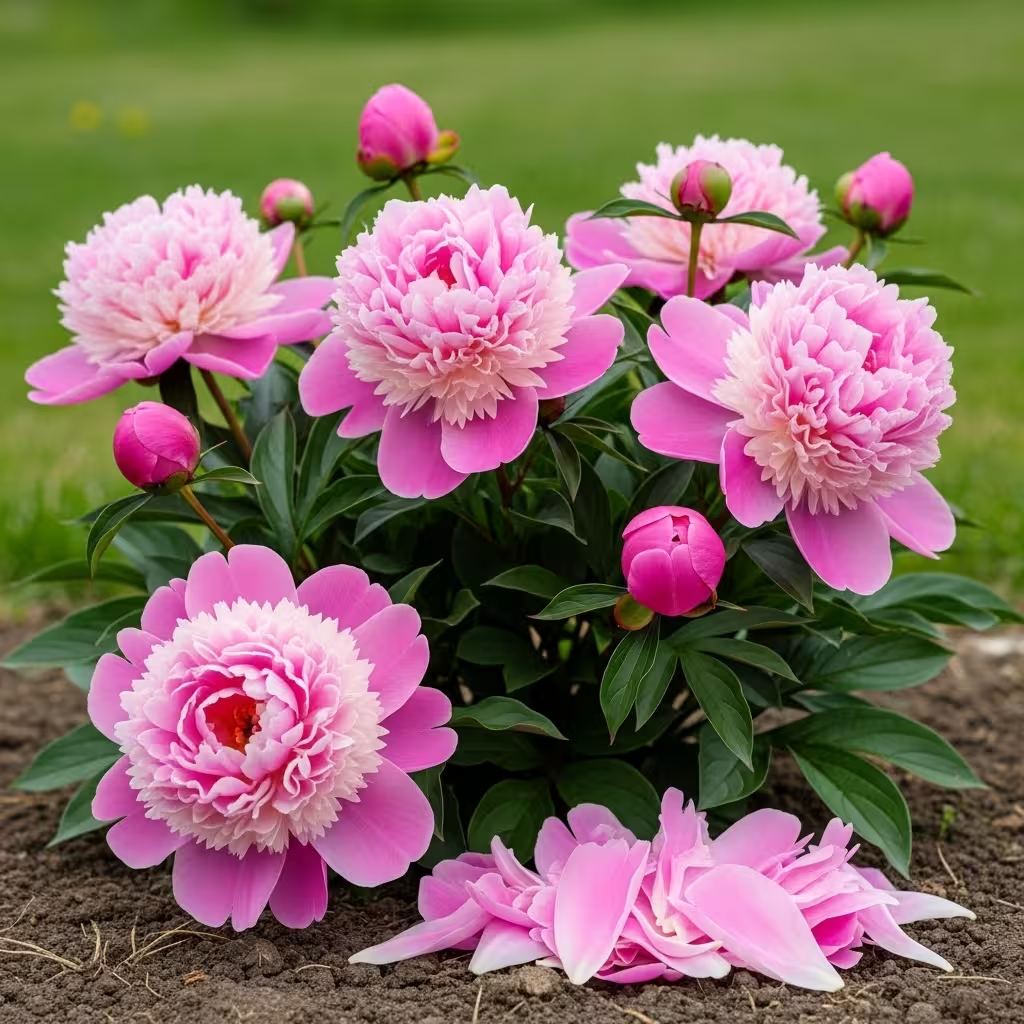
Few garden moments compare to the breathtaking spectacle of peonies in full bloom—those voluptuous flowers with their intoxicating fragrance transform any landscape into something magical. Yet these magnificent perennials, despite their reputation for longevity, occasionally require relocation to maintain their peak performance. Understanding the delicate art of peony transplantation can mean the difference between decades of continued blooming success and years of disappointing dormancy.
The secret lies not just in technique, but in respecting the unique biological rhythms that govern these remarkable plants.
Understanding When Peonies Need a Fresh Start
While peonies famously prefer to remain undisturbed for generations, certain circumstances make relocation not just beneficial, but essential for continued vitality:
Light deprivation challenges: As surrounding trees mature or new structures cast shadows, previously sunny locations can become too shaded for optimal flower production. Peonies demand substantial daily sun exposure—typically six hours minimum—to fuel their spectacular blooming cycles.
Competition and congestion: Over decades, successful peony colonies can become victims of their own prosperity, creating dense root systems that compete internally for resources while restricting air circulation around stems and foliage.
Soil degradation issues: Gardens change over time, and what once provided excellent drainage may become waterlogged, or previously fertile soil may become depleted or compacted, inhibiting root development and overall plant vigor.
Design evolution needs: Mature gardens often require restructuring, and relocating established peonies can be more practical than redesigning around their fixed positions.
The Critical Timing Window: Why Autumn Reigns Supreme
Successful peony transplantation hinges on precise seasonal timing, with early autumn emerging as the optimal window for this delicate operation.
Post-dormancy preparation: By late summer, peonies have completed their annual growth cycle, storing maximum energy reserves in their root systems while beginning their natural transition toward winter dormancy.
Temperature advantages: Cooler autumn conditions minimize transplant stress while providing sufficient warmth for root establishment before winter arrives.
Recovery time allowance: Fall transplanting provides several months for root system recovery before the demanding energy requirements of spring growth and blooming resume.
Spring timing risks: Moving peonies during their active growth phase disrupts their blooming cycle and forces them to simultaneously manage transplant recovery and flower production—often resulting in bloom failure.
Pre-Transplant Preparation: Setting the Foundation for Success
Proper preparation significantly influences transplant outcomes, requiring attention to both plant conditioning and site selection.
Plant Conditioning Protocol
Hydration strategy: Deep watering 24-48 hours before transplanting ensures optimal plant moisture levels while softening soil for easier root extraction.
Foliage management: Reducing top growth to 4-6 inches above ground level minimizes water loss during the transplant process while maintaining sufficient photosynthetic capacity for root establishment.
Crown marking technique: Identifying the exact depth of the existing crown helps ensure proper replanting depth—critical for future blooming success.
Site Selection Criteria
Light requirements: Choose locations receiving morning sun and adequate total daily exposure, avoiding areas that will become shaded as nearby vegetation matures.
Drainage evaluation: Test proposed locations during wet periods to ensure water doesn’t accumulate, as peony roots are particularly susceptible to rot in waterlogged conditions.
Soil preparation: Amend planting areas with organic matter to improve both drainage and fertility, creating optimal growing conditions for rapid establishment.
The Transplantation Process: Precision Techniques for Success
Execute the actual transplant with methodical care to minimize root damage and transplant shock.
Excavation Phase
Strategic digging approach: Begin excavation 15-20 inches from the plant’s center to avoid damaging the extensive root system. Work systematically around the entire perimeter before attempting to lift the root mass.
Root system preservation: Carefully expose the root structure while maintaining as much soil contact as possible, handling the crown area with particular gentleness to protect growing points.
Division Considerations
Assessment opportunity: Transplanting provides an ideal time to evaluate whether division would benefit plant health and increase your peony collection.
Division technique: If proceeding with division, ensure each section contains 3-5 healthy growing eyes along with adequate root mass to support independent growth.
Tool sanitation: Use sterilized cutting implements to prevent disease transmission between plant sections.
Replanting Methodology
Hole preparation: Excavate planting holes significantly wider than the root system but maintain appropriate depth—typically 18-24 inches wide and 12-15 inches deep.
Soil amendment: Incorporate high-quality compost or aged manure into the backfill soil, improving both nutrition and soil structure.
Critical depth placement: Position the crown so growing eyes sit no deeper than 2 inches below the final soil surface—deeper planting often results in permanent bloom failure.
Settlement techniques: Backfill gradually while gently firming soil to eliminate air pockets, followed by thorough watering to encourage soil settlement around roots.
Post-Transplant Care: Nurturing Recovery and Establishment
The months following transplantation require attentive care to support successful establishment.
Moisture management: Maintain consistent soil moisture without waterlogging, adjusting watering frequency based on weather conditions and soil drainage characteristics.
Mulching strategy: Apply light mulch around the planting area while avoiding direct contact with the crown, which can encourage rot and pest problems.
Patience cultivation: Accept that newly transplanted peonies may require 1-2 seasons to resume full blooming potential as they rebuild their root systems and energy reserves.
Critical Errors That Compromise Success
Avoid these common transplantation mistakes that often result in poor establishment or bloom failure:
Depth miscalculations: Planting crowns too deeply remains the most frequent cause of transplant failure, often resulting in vigorous foliage growth but no flower production.
Seasonal timing errors: Summer transplanting exposes plants to heat stress when they’re least equipped to handle root disturbance.
Spacing oversights: Insufficient spacing between transplants recreates overcrowding problems within a few growing seasons.
Water management extremes: Both drought stress and waterlogging can prevent successful establishment, requiring careful moisture monitoring.
Long-Term Success Strategies
View peony transplantation as an investment in decades of future garden beauty rather than a one-time gardening task.
When executed with proper timing, careful technique, and patient aftercare, transplanted peonies typically establish successfully and resume their role as garden centerpieces. The temporary sacrifice of blooms during the establishment period pays dividends through years of renewed vigor and spectacular flowering performance.
Remember that peonies transplanted correctly can remain productive for generations, making the careful attention to detail during relocation a worthwhile investment in your garden’s long-term beauty and success.