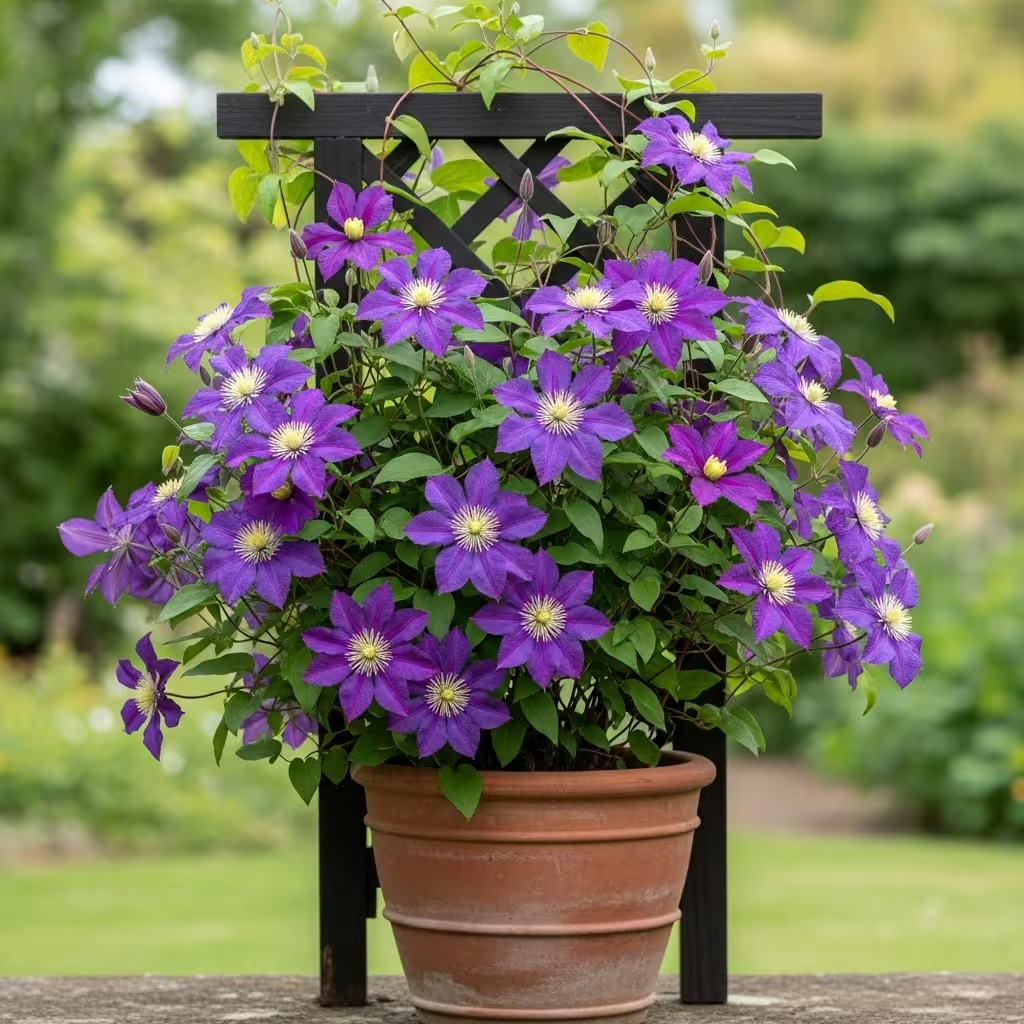
Clematis is often called the “Queen of Climbers,” but like any royal, she has high standards and a significant appetite. If your vine looks healthy but only produces a handful of small flowers, or if it seems to “stall” halfway up the trellis, the problem usually isn’t the light or the soil—it’s the menu.
To get those massive, saucer-sized blooms, you have to understand that Clematis is a “heavy feeder.” Because it grows so much biomass in such a short window, it needs a specific botanical buffet to perform.
Here is how to feed your Clematis for a magazine-worthy display this season.
1. The Early Spring “Wake-Up” Call
Since it’s currently late February, your Clematis is likely just starting to think about waking up. This is the most critical time for the first feeding of the year.
- The Goal: Build strong roots and lush foliage.
- The Meal: Apply a handful of slow-release granular fertilizer around the base of the plant. Look for a balanced N-P-K (like 10-10-10) or a specialized rose fertilizer.
- Pro Tip: Gently scratch the granules into the top inch of soil, but stay at least 3 inches away from the main woody stems to avoid “fertilizer burn.”
2. The “Tomato Feed” Secret
Once you see the first flower buds beginning to form (usually late spring or early summer), it’s time to switch the menu.
- The Goal: Maximize flower size and color intensity.
- The Meal: Use a liquid tomato fertilizer.
- Why it works: Tomato feeds are high in potassium (potash). While nitrogen builds leaves, potassium builds flowers and fruit. Feeding your Clematis with tomato food every two weeks during the budding stage acts like a “bloom booster,” resulting in more vibrant and longer-lasting flowers.
3. Don’t Forget the “Bone Meal” Bonus
If you are planting a new Clematis this spring, or if you have an older vine that seems weak, add a scoop of bone meal to the soil.
- The Benefit: Bone meal is rich in phosphorus, which is the “energy” nutrient for root development. A strong root system is the only way the plant can transport all that fertilizer up to the top of the vine.
The Golden Rules of Clematis Nutrition
- Hydrate Before You Medicate: Never apply fertilizer to bone-dry soil. It can shock the roots. Always water your Clematis thoroughly the day before you plan to feed it.
- The “Cool Feet” Mulch: Clematis famously loves “cool feet and a warm head.” After your spring feeding, apply a 2-inch layer of organic mulch (like compost or bark) over the root zone. This locks in the nutrients and keeps the roots from baking in the summer sun.
- Stop the Buffet: Stop all liquid feeding once the flowers begin to open. If you keep pumping the plant with high-potency food while it’s in full bloom, it may actually finish blooming faster as it tries to rush into seed production.
A Quick Reality Check: Feeding vs. Pruning
I’d be a poor collaborator if I didn’t mention that all the fertilizer in the world won’t fix a pruning mistake. If you have a Group 1 Clematis (spring bloomers like C. montana), don’t prune them now! If you cut them back in February, you are cutting off the flowers you’re trying to feed. Only prune Group 2 and 3 varieties in late winter.
Treat your Clematis to a high-potassium diet starting this spring, and she will reward you with a vertical wall of color that will have the neighbors asking for your secret.