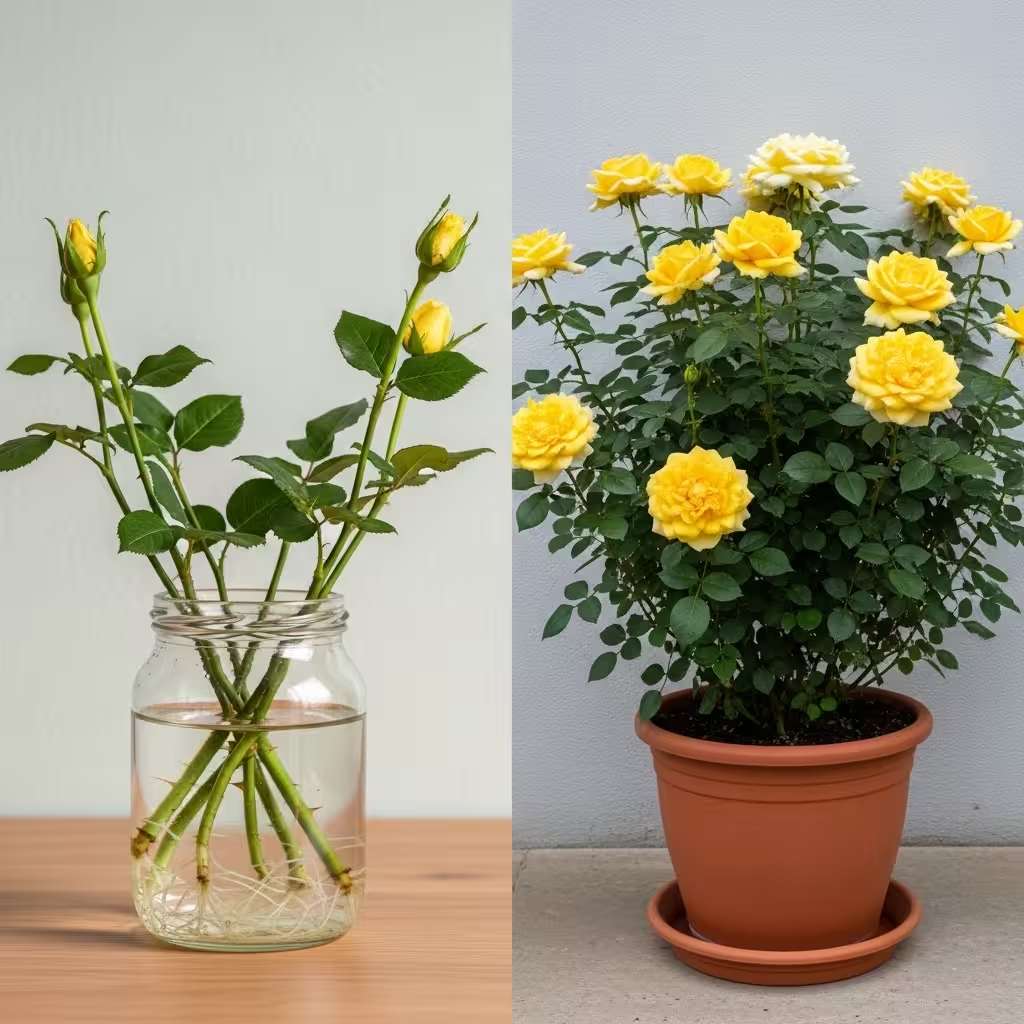
If you want to grow new rose bushes from your favorite existing plants, skip the viral “potato hacks” and use a method that actually works. The soda bottle method creates a controlled, high-humidity environment that mimics a professional nursery, giving your cuttings the best possible chance to develop strong roots.
1. Choosing the Perfect Stem The success of your cutting depends on the quality of the parent stem. Look for “semi-hardwood” growth—stems that are roughly as thick as a pencil. The best time to take a cutting is immediately after a flower has faded, as the stem is full of the energy needed for root production. Avoid stems that are very soft and green or very old and woody.
2. Preparing the Cutting Cut a 6-to-8-inch section of the stem using clean, sharp pruners. Make a slanted, 45-degree cut at the bottom just below a leaf node (the small bump where leaves grow). Remove all the leaves from the bottom half of the cutting, leaving only two or three leaves at the very top. This prevents the plant from losing too much moisture while it has no roots.
3. Using Natural Rooting Boosters While you can use commercial rooting hormones, a combination of honey and cinnamon is a highly effective natural alternative. Dip the bottom of the cutting into a small amount of honey to stimulate growth, then lightly dust it with cinnamon. The cinnamon acts as a natural fungicide, preventing the stem from rotting in the moist soil.
4. Creating the Mini-Greenhouse Fill a small pot with a well-draining potting mix. Insert your prepared rose cutting about 2 to 3 inches deep into the soil. Take a clear 2-liter plastic soda bottle and cut the bottom off. Place the bottle over the cutting and press it firmly into the soil to create a seal. Keep the cap on the bottle to trap humidity inside.
5. Placement and Care Place the pot in a warm spot with bright, indirect light. Avoid direct sunlight, which can cause the air inside the bottle to overheat and kill the cutting. You should see condensation forming on the inside of the plastic; this is a sign that the humidity levels are perfect. You generally won’t need to water the plant, but if the soil looks dry, add water to the base of the pot.
6. Testing for Roots In about 4 to 8 weeks, you should see new green growth appearing on the stem. To check if roots have formed, give the stem a very gentle upward tug. If you feel resistance, the roots have taken hold. At this point, remove the bottle cap for a few days to let the plant acclimate to the air before removing the bottle entirely and eventually transplanting the rose into the garden.