If you’ve ever bitten into a homegrown cucumber only to find it bitter, woody, or mostly seeds, you know the heartbreak of “bad gardening luck.” But here’s a secret: cucumbers aren’t actually temperamental; they’re just hungry, thirsty, and a little bit dramatic about the cold.
Whether you’re growing pickling cukes for jars or long English varieties for salads, these nine tips will turn your garden into a high-production cucumber factory this summer.
1. The “Wait for the Warmth” Rule
Cucumbers are tropical plants at heart. If the soil is below 65°F (18°C), they will simply sit there and pout—or worse, succumb to root rot.
- The Pro-Tip: Since it’s currently mid-February, don’t even think about putting seeds in the ground yet. Wait until the night temperatures are consistently above 55°F before transplanting.
2. Go Vertical (The Trellis Advantage)
Cucumbers are natural climbers. While they can sprawl on the ground, vertical gardening is a game-changer.
- The Benefits: It keeps the fruit off the dirt (preventing rot), saves massive amounts of space, and—most importantly—drastically increases airflow to prevent Powdery Mildew, the #1 cucumber killer.
3. Deep, Consistent Hydration
A cucumber is about 95% water. If the soil dries out even once while the fruit is forming, the plant will produce a chemical called cucurbitacin, which makes the fruit taste bitter.
- The Strategy: Use a soaker hose at the base of the plants. Aim for 1 inch of water per week, ensuring the moisture goes deep into the roots rather than just wetting the surface.
4. The “Heavy Feeder” Strategy
Cucumbers are the athletes of the garden—they burn through nutrients fast.
- The Fix: Mix plenty of aged compost or manure into the soil before planting. Once the first yellow flowers appear, give them a boost with a liquid organic fertilizer every two weeks to keep the production line moving.
5. Invite the “Matchmakers” (Pollination)
Most cucumbers produce separate male and female flowers on the same plant and rely on bees to move pollen between them.
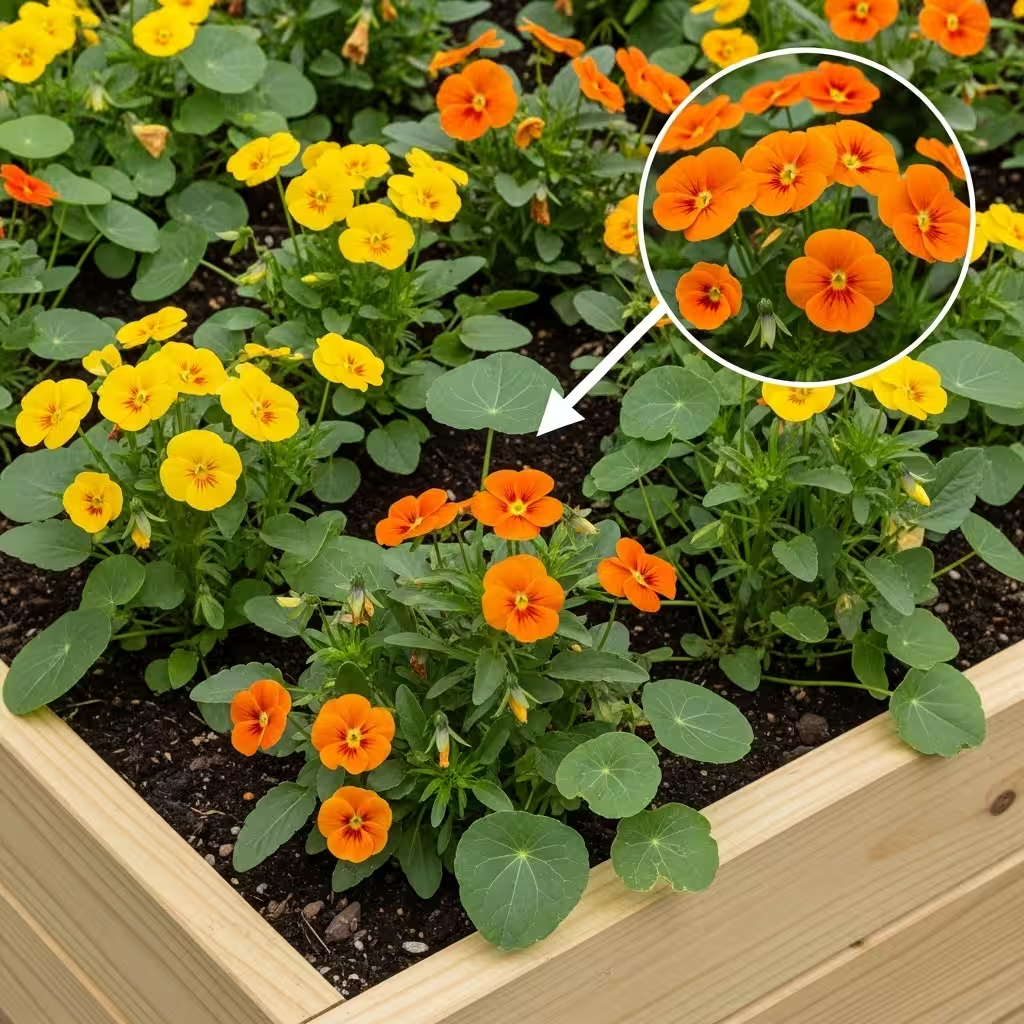
- The Fix: Plant Marigolds, Borage, or Alyssum right next to your cucumbers. These flowers act as neon signs for bees, ensuring every female cucumber flower gets pollinated and turns into a fruit.
6. Mulch Their “Feet”
Cucumbers love hot leaves but cool roots.
- The Strategy: Apply a 2-inch layer of straw or pine bark mulch around the base of the plants. This keeps the soil temperature stable and, more importantly, keeps the moisture from evaporating during those scorching July afternoons.
7. Pick Early, Pick Often
This is the most common mistake: letting cucumbers get too big. Once a cucumber turns yellow or reaches its “max” size, the plant gets the signal that its job is done and it stops producing new flowers.
- The Rule: Harvest daily. The more you pick, the more the plant will produce. For most varieties, 6 to 8 inches is the sweet spot for flavor and crunch.
8. Avoid “Leaf Bathing”
Watering from above is an invitation for fungal diseases.
- The Fix: Always water at the soil level. If you must use a sprinkler, do it early in the morning so the sun can dry the leaves quickly. Wet leaves at night are a playground for spores.
9. The “Bitterness” Insurance
If you live in a particularly hot or dry climate, look for “Burpless” varieties or those labeled “Gynoecious” (which produce mostly female flowers). These varieties are bred to have lower levels of bitter compounds, ensuring a sweet crunch even during heatwaves.
Quick Troubleshooting: Why Is My Cucumber…?
- Yellow and mushy? You waited too long to harvest.
- Misshapen or “wasp-waisted”? Poor pollination; the bees didn’t finish the job.
- Wilting suddenly? Check for Cucumber Beetles—they carry a wilt bacteria that can kill a vine in 48 hours.
Cucumbers are incredibly rewarding because they grow so fast you can almost see it happening. Give them a trellis to climb and plenty of water to drink, and you’ll have more pickles than you know what to do with by August.