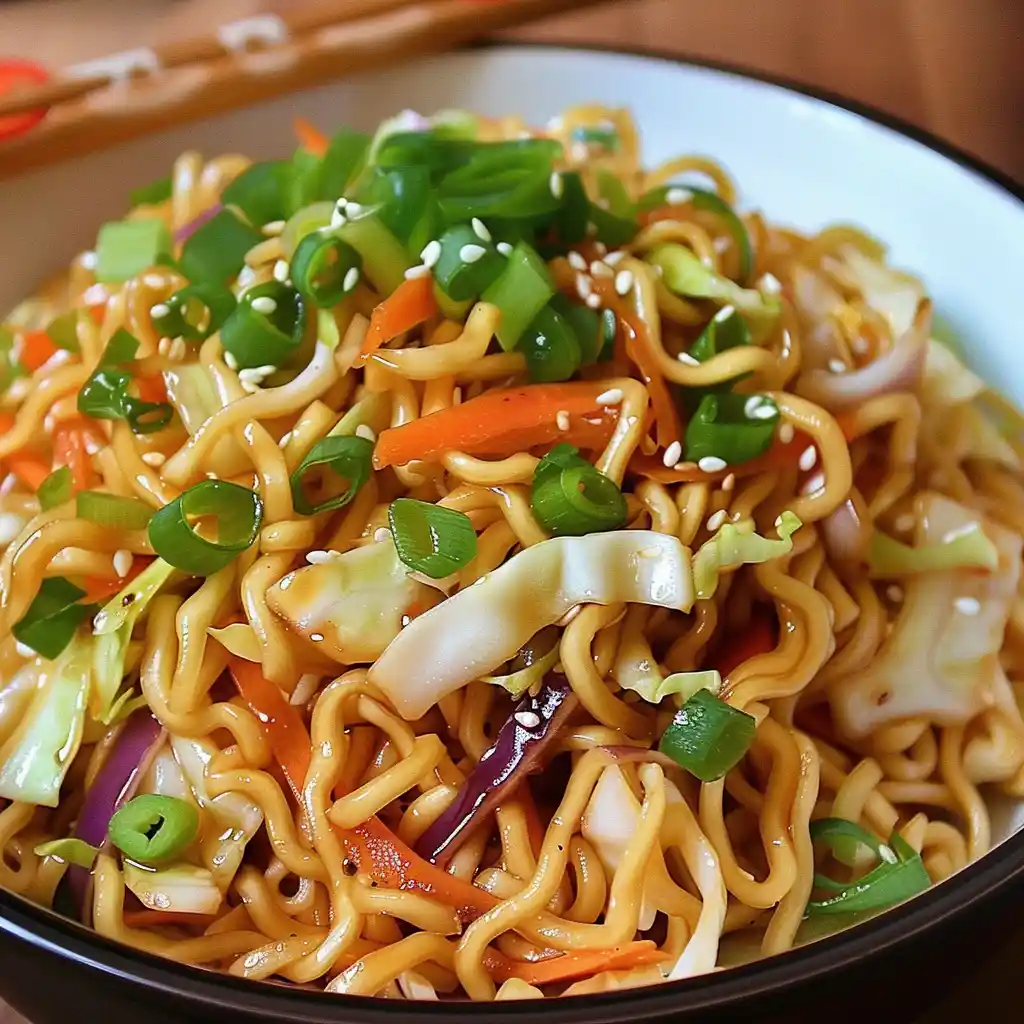
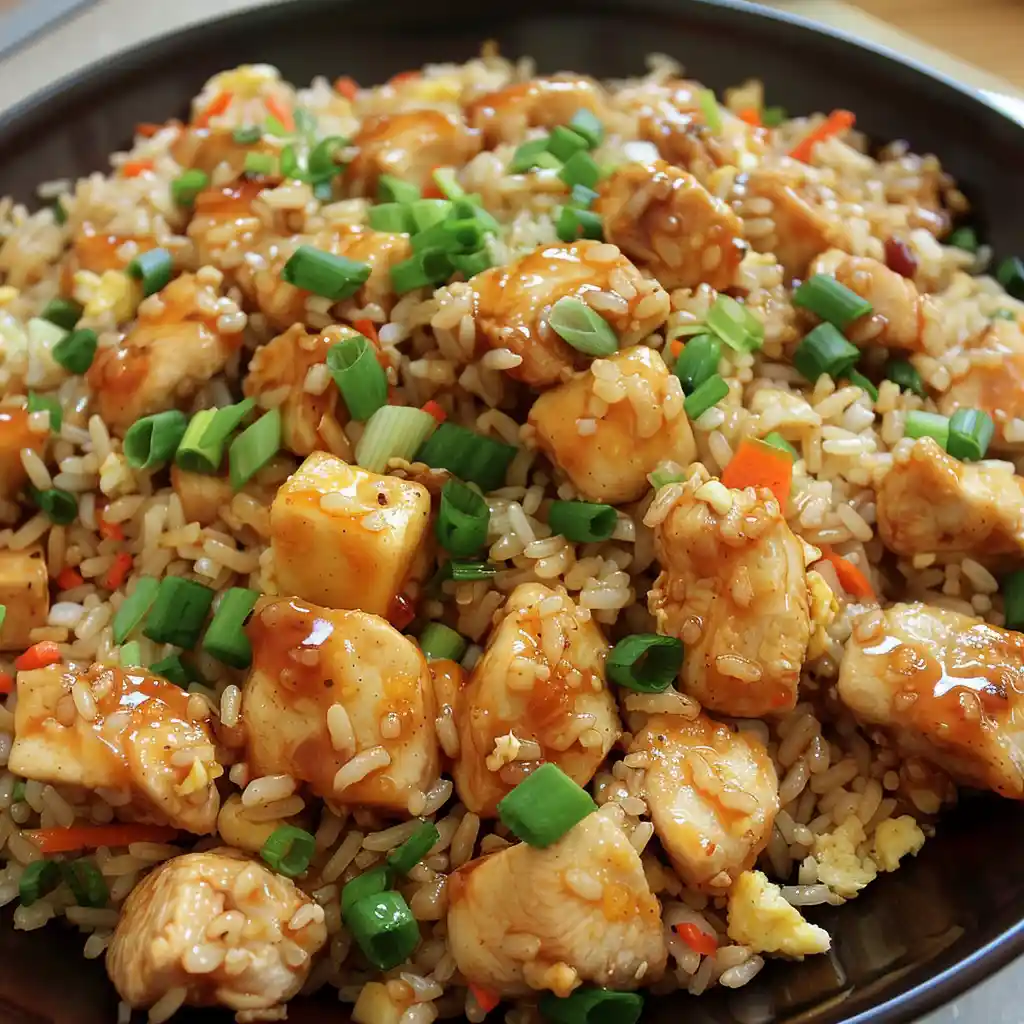
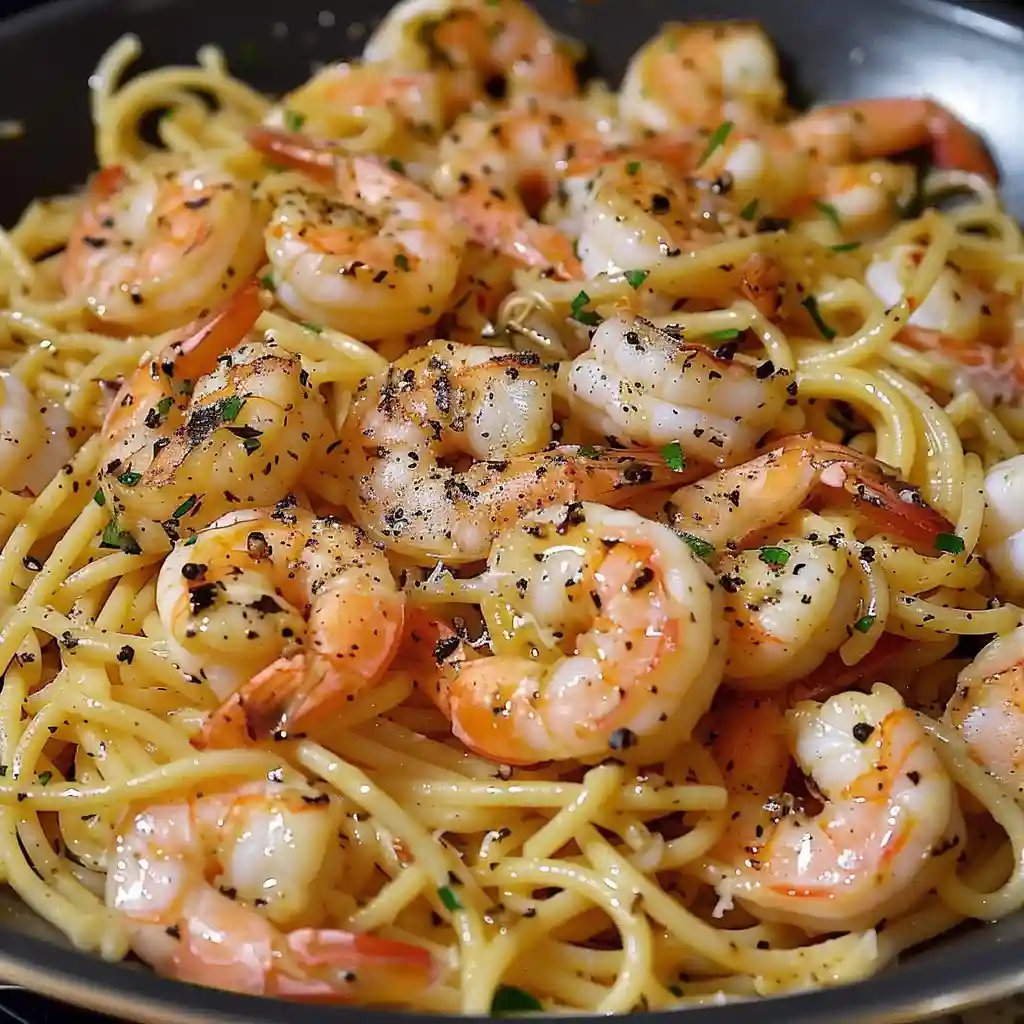
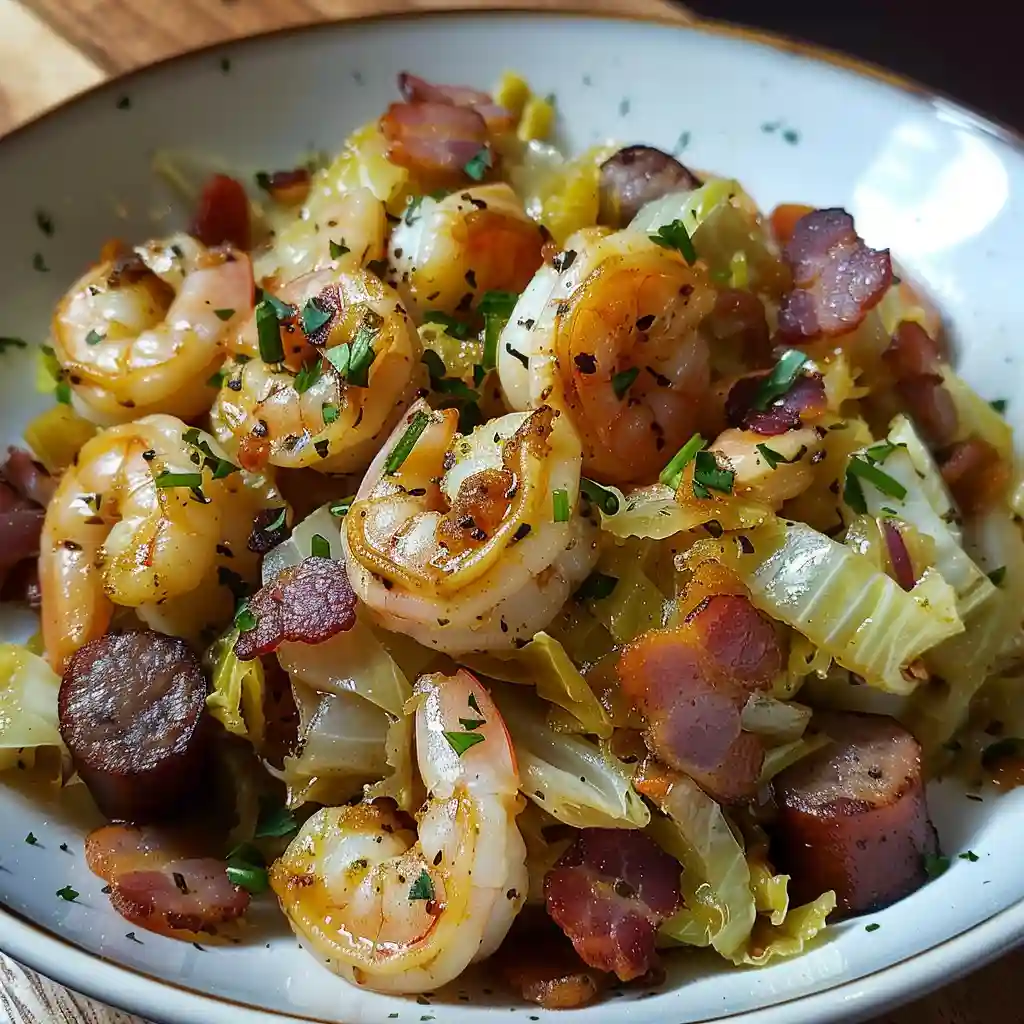
This exceptional shrimp fried rice recipe transforms simple ingredients into an extraordinary culinary experience that rivals the best Asian restaurants, combining perfectly cooked shrimp with fluffy rice, vibrant vegetables, and a harmonious blend of savory sauces. The genius of this dish lies in its sophisticated layering of flavors and textures, where each component is cooked to perfection before being combined, creating a complete meal that delivers satisfying protein, wholesome vegetables, and comforting carbohydrates in every bite while showcasing the fundamental techniques of wok cooking that make fried rice a beloved staple across Asian cuisine.
The Art of Authentic Fried Rice Mastery
Shrimp Fried Rice represents the pinnacle of Asian home cooking, where technique and timing converge to create dishes that celebrate the harmony of flavors, textures, and temperatures. Born from the practical wisdom of Chinese cuisine, where leftover rice is transformed into something spectacular, this recipe embodies the philosophy of “wok hei” – the breath of the wok – where high heat and quick cooking preserve the individual character of each ingredient while creating a unified, flavorful whole. The dish’s evolution from humble leftovers to restaurant favorite demonstrates how proper technique can elevate simple ingredients into extraordinary meals that satisfy both hunger and the craving for bold, complex flavors.
Understanding the Science of Perfect Fried Rice
The success of this shrimp fried rice lies in the careful management of heat, moisture, and timing that allows each ingredient to contribute its unique qualities without becoming mushy or overcooked. The use of day-old rice is crucial, as the aged grains have lost surface moisture and maintain their individual integrity during the high-heat cooking process. The sequential cooking method ensures that proteins and vegetables reach their optimal doneness before being combined, while the deglazing with mirin captures the concentrated flavors from the pan and distributes them throughout the dish. The combination of soy sauce and oyster sauce provides both umami depth and the characteristic golden color that makes fried rice so visually appealing.
Ingredients
- 1 pound large shrimp, peeled and deveined
- 2 tablespoons grapeseed oil
- 1 tablespoon mirin (rice cooking wine)
- 1 medium yellow onion, diced
- 1 cup carrots, shredded or julienned
- 2 teaspoons sesame oil
- 2 large eggs, lightly beaten
- 3 cups cooked white rice, preferably day-old
- 2 teaspoons garlic powder
- ¼ cup low-sodium soy sauce
- 1 tablespoon oyster sauce
- ½ cup frozen peas
- ½ cup frozen corn kernels
- ⅓ cup green onions, chopped (for garnish)
- 6 tablespoons unsalted butter, divided
- Salt and black pepper to taste
Instructions
- Shrimp Preparation: Pat shrimp completely dry with paper towels and season lightly with salt and pepper on both sides. Set aside while heating the pan to ensure proper searing.
- Shrimp Cooking: Heat grapeseed oil in a large skillet or wok over medium-high heat. Add 2 tablespoons of butter and let it melt completely. Add seasoned shrimp and cook for approximately 3 minutes, flipping halfway through, until pink and cooked through. Remove shrimp to a plate and set aside.
- Flavor Foundation: Pour mirin into the hot pan to deglaze, scraping up any browned bits from the bottom using a wooden spoon. This technique adds concentrated flavor to the fried rice base.
- Vegetable Development: Add the remaining 4 tablespoons of butter to the pan. Once melted, add diced onion and cook for 2 minutes until softened. Add shredded carrots and continue cooking for 3 minutes until tender-crisp.
- Egg Integration: Reduce heat to medium and push the vegetables to one side of the pan, creating a well in the center. Add sesame oil to the well, then pour in beaten eggs. Scramble the eggs and gradually mix them with the vegetables for about 1 minute.
- Rice Incorporation: Stir in the cooked rice, breaking up any clumps with the spatula. Season with salt, pepper, and garlic powder. Add soy sauce and oyster sauce, stirring constantly until the rice takes on a golden brown color, approximately 3-4 minutes.
- Frozen Vegetable Addition: Add frozen peas and corn to the rice mixture. Continue stirring for 2-3 minutes until the frozen vegetables are heated through and tender.
- Final Assembly: Return the cooked shrimp to the pan and gently toss everything together for 1 minute to heat through. Remove from heat, garnish with chopped green onions, and serve immediately while hot.
Professional Tips for Perfect Results
Rice Selection: Use day-old rice that has been refrigerated, as it has the proper texture and moisture content for optimal frying without becoming mushy.
Heat Management: Maintain medium-high heat throughout most of the cooking process to achieve proper searing and prevent steaming.
Shrimp Quality: Choose large, fresh shrimp and avoid overcooking to maintain tender texture and sweet flavor.
Mise en Place: Prepare all ingredients before starting, as fried rice cooks quickly and requires constant attention.
Wok Technique: Use a large skillet or wok to allow ingredients to spread in a single layer for even cooking and proper heat distribution.
Troubleshooting Common Issues
Mushy Rice: Use day-old rice and ensure the pan is hot enough to prevent steaming. Avoid overcrowding the pan.
Overcooked Shrimp: Cook shrimp just until pink and remove immediately. They’ll finish cooking when returned to the pan.
Soggy Vegetables: Don’t cover the pan during cooking and maintain high heat to preserve vegetable texture.
Bland Flavor: Adjust soy sauce and oyster sauce quantities, and ensure proper seasoning throughout the cooking process.
Burnt Garlic: Use garlic powder instead of fresh garlic to prevent burning during high-heat cooking.
Creative Variations and Adaptations
While the classic version is perfection, this recipe serves as an excellent foundation for creative interpretations:
Protein Alternatives: Substitute chicken, beef, pork, or tofu for shrimp while maintaining the same cooking techniques.
Vegetable Variations: Try bell peppers, snap peas, mushrooms, or water chestnuts for different textures and flavors.
Sauce Modifications: Add sriracha for heat, fish sauce for umami depth, or hoisin sauce for sweetness.
Rice Alternatives: Use brown rice, quinoa, or cauliflower rice for different nutritional profiles and textures.
Regional Styles: Incorporate pineapple for Thai-style fried rice or add curry powder for Indian-inspired variations.
Storage and Reheating Guidelines
This shrimp fried rice is best enjoyed immediately after cooking for optimal texture and flavor. However, leftovers can be stored in the refrigerator for up to 3 days and reheated in a large skillet over medium heat with a splash of oil or water to prevent sticking. Avoid microwave reheating when possible, as it can make the rice mushy and the shrimp tough. For best results, reheat only the portion you plan to consume immediately.
Nutritional Benefits and Dietary Considerations
This complete meal provides high-quality protein from shrimp and eggs, complex carbohydrates from rice, and essential vitamins and minerals from the variety of vegetables. Shrimp is an excellent source of lean protein, selenium, and omega-3 fatty acids, while the vegetables contribute fiber, vitamins, and antioxidants. The dish can be made gluten-free by using tamari instead of soy sauce, and the sodium content can be controlled by adjusting the sauce quantities to taste.
Serving Suggestions and Presentation Ideas
Shrimp fried rice works beautifully as a complete meal or as part of a larger Asian-inspired spread. Serve with egg rolls, pot stickers, or hot and sour soup for an authentic Chinese restaurant experience. For beverages, consider jasmine tea, sake, or light beer to complement the savory flavors. Garnish with additional green onions, sesame seeds, or a sprinkle of red pepper flakes for enhanced visual appeal and flavor complexity.
Frequently Asked Questions
Q: Can I use fresh rice instead of day-old? A: Fresh rice contains too much moisture and will become mushy. Spread fresh rice on a baking sheet and refrigerate for at least 2 hours before using.
Q: What’s the best substitute for mirin? A: Dry sherry or rice vinegar with a pinch of sugar works well, though mirin provides the most authentic flavor.
Q: Can I make this dish vegetarian? A: Yes, omit the shrimp and add extra vegetables or tofu. Use vegetable broth instead of oyster sauce for a completely vegetarian version.
Q: How do I prevent the eggs from getting rubbery? A: Cook eggs over medium heat and don’t overcook them. They’ll continue cooking when mixed with the other ingredients.
Q: Can I use frozen shrimp? A: Yes, but thaw completely and pat very dry before cooking to prevent excess moisture in the pan.
Q: What if I don’t have a wok? A: A large skillet works well, though a wok provides better heat distribution and cooking space for optimal results.
Q: How do I know when the shrimp is done? A: Shrimp is done when it turns pink and opaque throughout. Overcooked shrimp becomes tough and rubbery.
Q: Can I prep ingredients ahead of time? A: Yes, all ingredients can be prepped in advance, but the dish should be cooked and served immediately for best results.
This shrimp fried rice recipe represents the perfect balance of technique and flavor, delivering a restaurant-quality dish that transforms simple ingredients into an extraordinary meal that satisfies both hunger and the desire for bold, complex flavors while showcasing the fundamental principles of Asian cooking that make every bite a celebration of texture, taste, and culinary tradition.
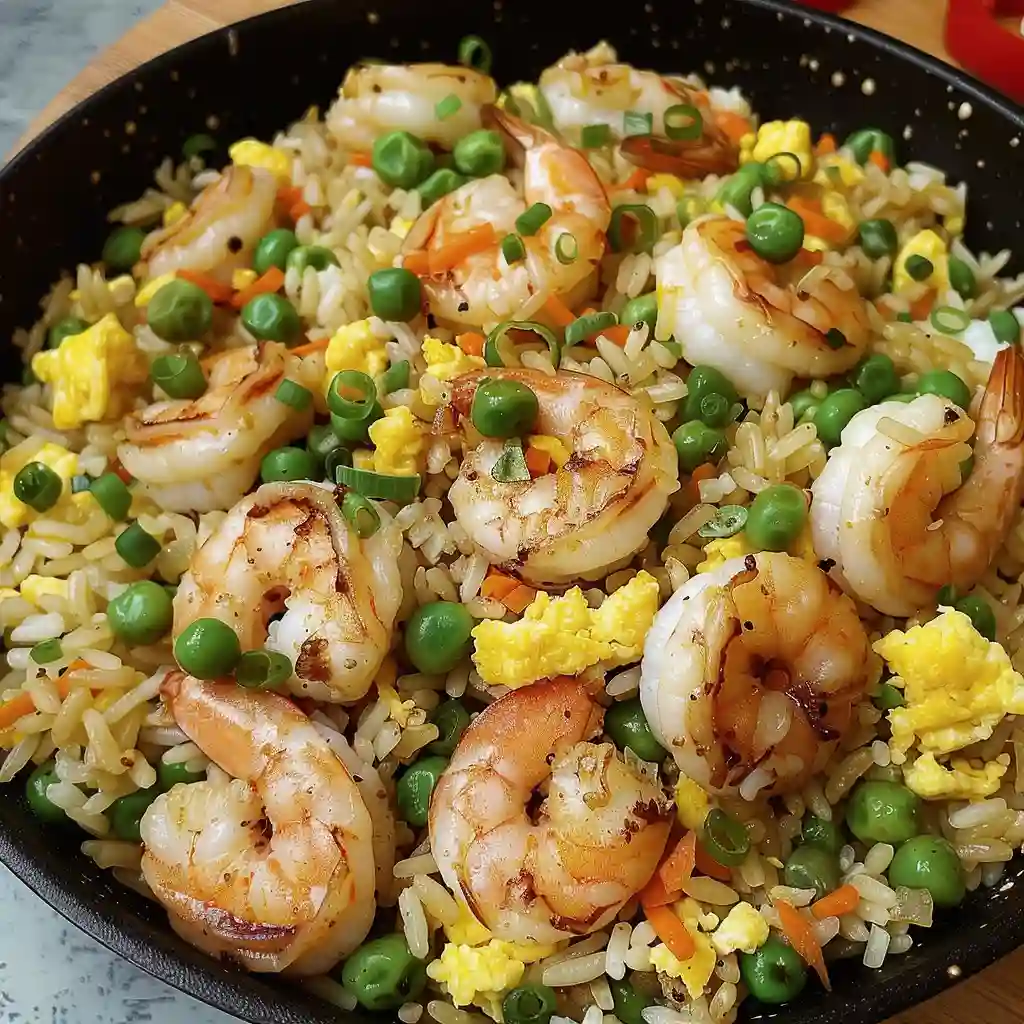
Shrimp Fried Rice
Ingredients
Method
- Prepare the Shrimp
- Pat shrimp dry with paper towels and season lightly with salt and pepper on both sides. This ensures the shrimp will sear properly rather than steam. Let them rest while you prepare your cooking surface, allowing the seasonings to adhere to the shrimp.
- Cook the Shrimp
- Heat grapeseed oil in a large skillet or wok over medium-high heat. Add 2 tablespoons of butter and let it melt completely. Add the seasoned shrimp in a single layer and cook for about 3 minutes total, flipping halfway through, until they turn pink and opaque. Be careful not to overcook them. Remove the cooked shrimp to a plate and set aside.
- Deglaze the Pan
- Pour mirin into the hot pan to deglaze, using a wooden spoon to scrape up any browned bits from the bottom. This step is crucial as it incorporates all the flavorful fond from the shrimp into your dish, creating a more complex flavor profile for your fried rice.
- Sauté the Vegetables
- Add the remaining 4 tablespoons of butter to the pan. Once melted, add diced onion and cook for 2 minutes until they become translucent and softened. Add the shredded carrots next and continue cooking for an additional 3 minutes until they reach a tender-crisp texture while maintaining their bright color.
- Cook the Eggs
- Reduce heat to medium and push the vegetables to one side of the pan, creating a well in the center. Add sesame oil to the well, then pour in the beaten eggs. Scramble them gently in the center until they begin to set, then gradually incorporate them with the vegetables, cooking for about 1 minute until the eggs are fully cooked but still soft.
- Add Rice and Seasonings
- Stir in the cooked rice, breaking up any clumps with your spatula. Day-old rice works best as it’s drier and won’t become mushy. Season with salt, pepper, and garlic powder, distributing them evenly. Pour the soy sauce and oyster sauce over the rice and stir constantly until the rice takes on a uniform golden-brown color, about 3-4 minutes.
- Incorporate Frozen Vegetables
- Add the frozen peas and corn directly to the hot rice mixture. The residual heat will quickly defrost them. Continue stirring for 2-3 minutes until these vegetables are heated through and tender, adding vibrant color and sweetness to the dish.
- Combine and Serve
- Return the cooked shrimp to the pan and gently fold everything together for 1 minute, just enough to heat the shrimp through without overcooking them. Remove from heat, garnish generously with chopped green onions, and serve immediately while hot for the best flavor and texture.
Notes
- Using day-old refrigerated rice is ideal for fried rice as it’s drier and less likely to clump.
- For a gluten-free version, use tamari instead of soy sauce and check that your oyster sauce is gluten-free.
- You can customize this dish with other vegetables like bell peppers, broccoli, or mushrooms.
- If you don’t have mirin, substitute with a mixture of 1 teaspoon rice vinegar and 1/2 teaspoon sugar.
- For extra flavor, add 1 teaspoon of ginger paste or finely minced fresh ginger with the vegetables.