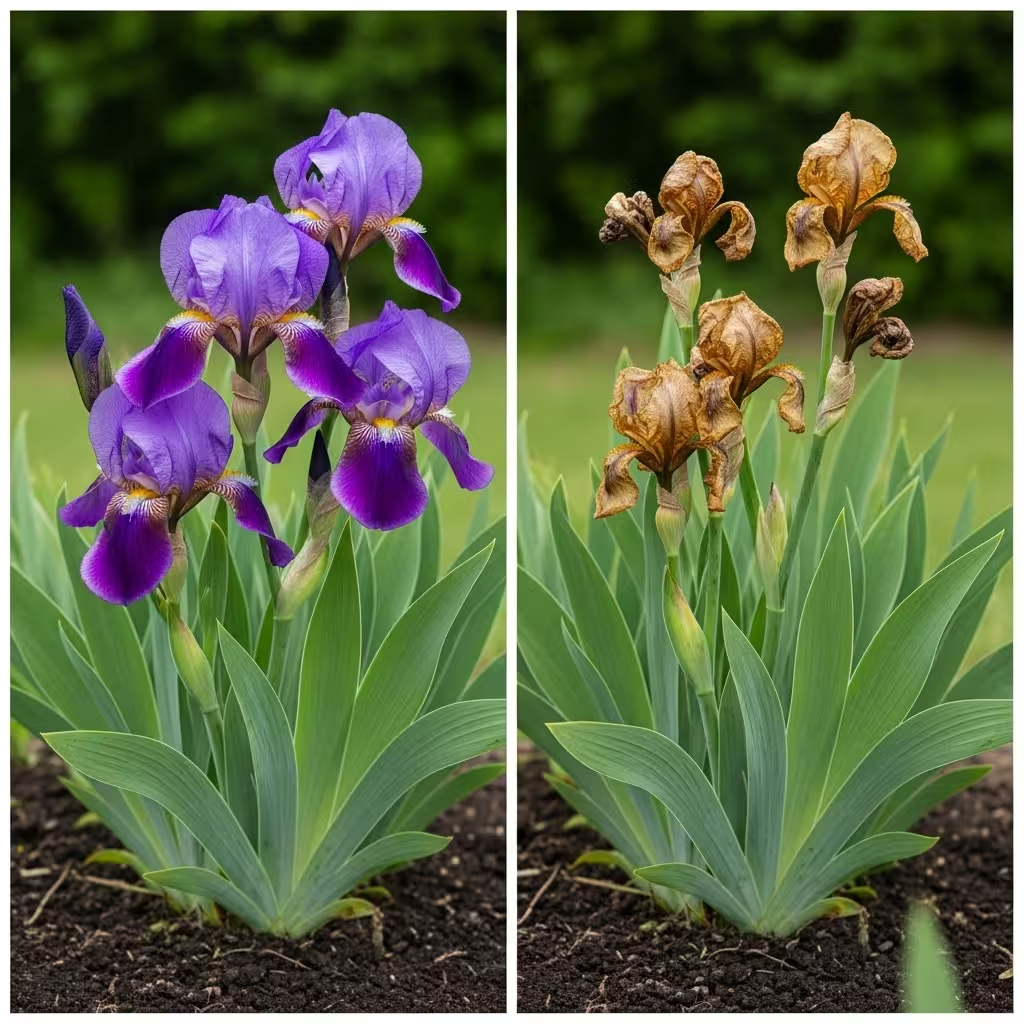
Iris plants are garden showstoppers, producing spectacular blooms that herald the arrival of spring and early summer. However, once these magnificent flowers fade, many gardeners face a crucial decision that can make or break their plant’s future performance: what to do with those sword-like leaves that remain.
Understanding proper iris leaf management is essential for maintaining healthy plants and ensuring abundant blooms year after year. This comprehensive guide will walk you through everything you need to know about caring for iris foliage after the flowering season ends.
The Hidden Life of Iris Leaves
While iris flowers steal the spotlight, the plant’s leaves are the unsung heroes working tirelessly behind the scenes. These green, blade-like structures serve a vital purpose that extends far beyond their ornamental value.
After blooming concludes, iris leaves become energy factories. Through photosynthesis, they manufacture and store nutrients in the plant’s rhizomes—the thick, underground storage organs that serve as the foundation for next season’s growth. This process is critical for the plant’s survival and future flowering capacity.
Interrupting this energy-gathering phase prematurely can have serious consequences. Plants that lose their leaves too early often struggle with:
- Reduced flower production the following year
- Weakened root systems
- Decreased resistance to environmental stresses
- Poor overall plant vigor
The Science of Perfect Timing
Successful iris leaf management revolves around patience and observation. The optimal cutting window typically falls between late August and September, but the calendar isn’t your best guide—your plants are.
Signs It’s Time to Cut
Look for these natural indicators that signal readiness:
- Color change: Leaves begin transitioning from vibrant green to yellow or brown
- Texture shift: Foliage becomes softer and less rigid
- Natural decline: At least two-thirds of the leaf length shows signs of senescence
The golden rule is waiting a minimum of 8-10 weeks after the last bloom fades. This ensures the plant has completed its essential energy storage process.
When Patience Pays Off
Resist the urge to cut during these periods:
- Immediately post-bloom: Leaves are still actively photosynthesizing
- Mid-summer heat waves: Even droopy, unattractive foliage is still working
- Wet weather conditions: Moisture increases disease risk in fresh cuts
Mastering the Cutting Technique
When the time is right, proper technique ensures clean, healthy cuts that promote plant wellness rather than compromise it.
Essential Equipment
Gather these tools before beginning:
- Sharp, clean garden shears: Dull blades create ragged cuts that invite disease
- Protective gloves: Some gardeners experience skin sensitivity to iris sap
- Disinfectant: Rubbing alcohol or hydrogen peroxide for tool sterilization
- Collection bag: For disposing of removed plant material
The Cutting Process
Follow these steps for optimal results:
- Assessment: Confirm that leaves show appropriate yellowing or browning
- Tool preparation: Disinfect cutting blades to prevent disease transmission
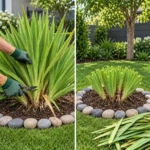
- Strategic cutting: Trim leaves to 4-6 inches above ground level
- Angled cuts: Create slanted cuts that prevent water accumulation
- Fan shaping: Maintain the natural fan-like arrangement of remaining foliage
- Complete removal: Extract all diseased, damaged, or completely brown leaves
- Site cleanup: Clear away debris from around the plant base
The Art of the Angle
Creating angled cuts serves multiple purposes. These slanted edges prevent water from pooling on cut surfaces, which reduces the risk of rot and fungal infections. Additionally, angled cuts shed rainwater more effectively, keeping the plant’s crown dry and healthy.
Addressing Common Iris Health Issues
Proper leaf management serves as your first line of defense against several prevalent iris problems.
Fungal Infections
Leaf spot diseases manifest as brown or black spots on foliage. These fungal infections spread rapidly in humid conditions and can severely weaken plants. Timely removal of affected leaves breaks the disease cycle and protects healthy growth.
Pest Management
Iris borers present a significant threat to plant health. These larvae tunnel through leaves before boring into rhizomes, where they cause extensive damage. Regular leaf cleanup disrupts the pest’s life cycle and reduces infestation risks.
Moisture-Related Issues
Dense, overgrown foliage creates humid microclimates that attract slugs, snails, and other moisture-loving pests. Strategic leaf trimming improves air circulation and reduces these pest-friendly conditions.
Beyond Cutting: Comprehensive Fall Care
Late summer iris maintenance extends beyond leaf trimming. This season presents an ideal opportunity for additional care practices that enhance plant health and garden appearance.
Division and Rejuvenation
Overcrowded iris clumps benefit from division every 3-4 years. Signs that division is needed include:
- Reduced flowering despite healthy foliage
- Dense clumps with little interior growth
- Rhizomes growing above soil level
The division process involves carefully separating healthy rhizomes and replanting them with proper spacing for improved air circulation and reduced competition.
Soil and Nutrition Considerations
Fall is an excellent time to assess and improve soil conditions around iris plantings. Well-draining soil prevents rhizome rot, while moderate fertility supports healthy growth without encouraging excessive foliage at the expense of flowers.
Long-Term Benefits of Proper Care
Gardeners who master iris leaf management enjoy numerous rewards:
- Enhanced flowering: Plants channel more energy into bloom production
- Disease prevention: Reduced fungal and bacterial infection rates
- Improved aesthetics: Gardens maintain attractive appearances throughout the growing season
- Easier maintenance: Well-managed plants require less intervention over time
- Greater longevity: Properly cared-for iris plants can thrive for decades
Seasonal Planning for Success
Effective iris care requires thinking beyond the immediate task at hand. Consider these seasonal strategies:
Spring Preparation
- Remove any remaining dead foliage from winter
- Apply balanced fertilizer as new growth emerges
- Monitor for early pest activity
Summer Vigilance
- Resist premature cutting urges
- Maintain consistent watering during dry periods
- Watch for disease symptoms requiring intervention
Fall Implementation
- Execute proper cutting techniques
- Divide overcrowded clumps
- Prepare beds for winter dormancy
Winter Protection
- Leave trimmed foliage for insulation in harsh climates
- Avoid walking on frozen beds
- Plan for spring improvements
Conclusion
Successful iris gardening requires understanding the delicate balance between plant needs and aesthetic preferences. While the temptation to immediately tidy up spent blooms and tired foliage is understandable, patience and proper timing yield far superior results.
By allowing iris leaves to complete their natural energy-storage cycle and then employing proper cutting techniques, gardeners ensure robust plants capable of producing spectacular displays year after year. The investment in learning proper iris leaf management pays dividends in the form of healthier plants, more abundant blooms, and gardens that truly shine when iris season arrives.
Remember: in the world of iris care, timing isn’t just important—it’s everything. Master the art of patience, observe your plants closely, and reward them with the care they need when they need it most.