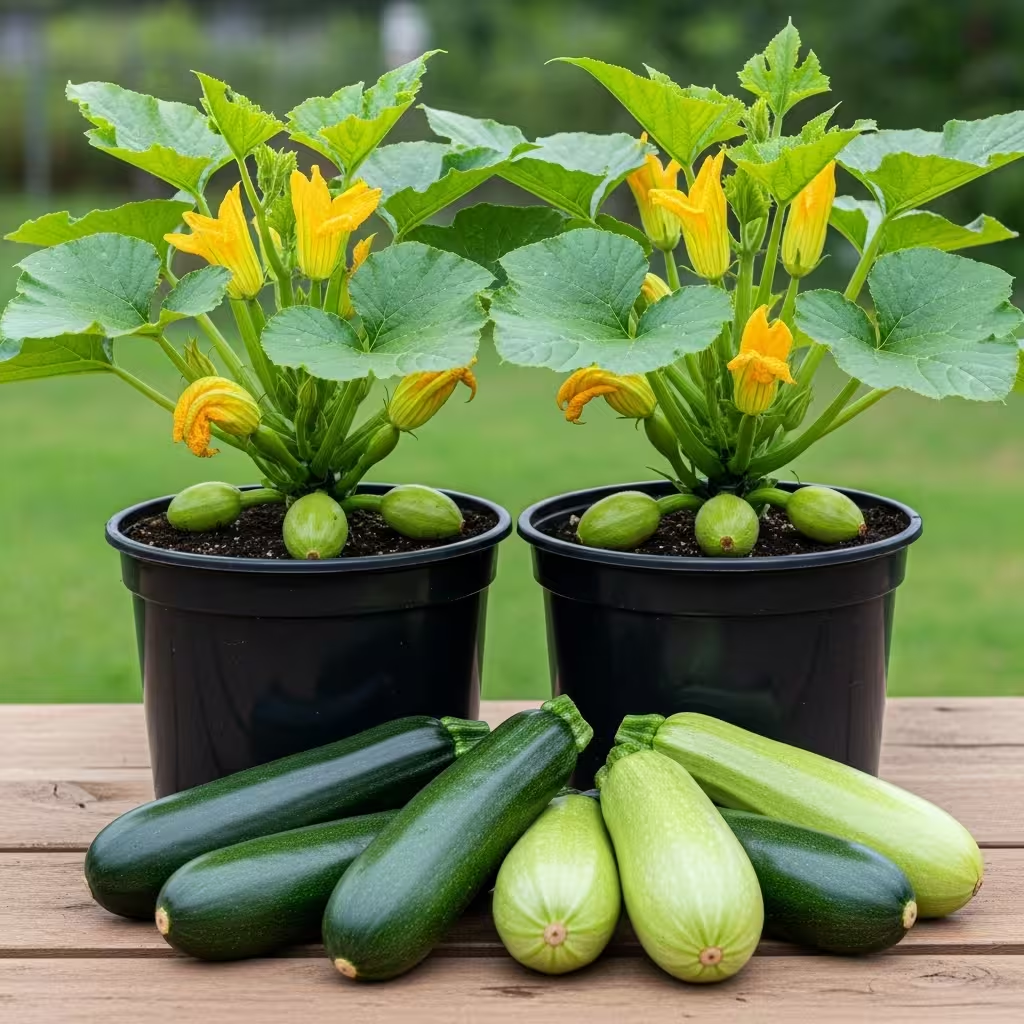
Transform your balcony, patio, or windowsill into a productive eggplant paradise. These glossy, purple beauties aren’t just restaurant ingredients—they’re surprisingly adaptable plants that thrive in containers and reward novice gardeners with impressive harvests. Whether you’re working with a tiny apartment balcony or a spacious deck, growing eggplants in containers opens up a world of fresh, homegrown possibilities.
Why Eggplants Excel in Container Culture
Eggplants possess a unique combination of traits that make them ideal container candidates. Their compact root systems adapt well to confined spaces, while their upright growth habit maximizes vertical space efficiency. Unlike sprawling vegetables that demand extensive ground coverage, eggplants grow up rather than out, making them perfect urban gardening companions.
Container Advantages:
- Mobility: Move plants to optimize sun exposure or protect from harsh weather
- Soil Control: Create perfect growing conditions without amending garden beds
- Pest Management: Elevated growing reduces ground-dwelling pest problems
- Extended Season: Bring containers indoors to extend harvest periods
- Space Maximization: Grow multiple varieties in the same footprint as one garden plant
Selecting Your Eggplant Varieties
Not all eggplants are created equal for container growing. Compact varieties specifically bred for small spaces produce better results than traditional large-fruited types.
Top Container Performers:
- Asian varieties: Naturally smaller plants with prolific fruiting
- Mini eggplants: Perfect portion sizes with continuous production
- Early maturing types: Faster harvests for impatient gardeners
- Ornamental varieties: Beautiful foliage with edible bonus fruits
Container Setup Essentials
Size Matters
Think bigger than you imagine necessary. Eggplants are deceptively vigorous growers that appreciate generous root space. A 5-gallon container represents the absolute minimum for healthy plant development, while 7-10 gallon containers produce noticeably better results.
Container Specifications:
- Depth: Minimum 14-16 inches for adequate root development
- Width: At least 18 inches diameter for stability and growth space
- Material: Fabric pots breathe better than plastic; ceramic retains moisture longer
- Drainage: Multiple holes are essential—soggy roots kill eggplants quickly
Soil Foundation
Skip regular garden soil entirely. Eggplants demand well-draining, nutrient-rich growing media that container-specific potting mixes provide. Look for blends containing perlite for drainage, vermiculite for moisture retention, and compost for sustained nutrition.
Soil Enhancement Tips:
- Mix in additional compost for slow-release nutrition
- Add coarse sand if drainage seems inadequate
- Include water-absorbing crystals for consistent moisture in hot climates
- Test pH—eggplants prefer slightly acidic conditions around 6.0-6.8
The Planting Process
Seed Starting Strategy
Starting from seed provides variety selection advantages and significant cost savings. Begin seeds indoors 8-10 weeks before your last expected frost date, maintaining soil temperatures between 75-85°F for optimal germination.
Germination Success Tips:
- Use heating mats for consistent soil warmth
- Maintain humidity with plastic covers until sprouting occurs
- Provide bright light immediately after germination
- Transplant to larger cells once first true leaves appear
Transplanting Timing
Patience pays dividends with eggplant transplanting. These heat-loving plants sulk in cool conditions and may never recover from early-season stress. Wait until nighttime temperatures consistently stay above 55°F and soil temperatures reach at least 65°F.
Creating Optimal Growing Conditions
Sun Requirements
Eggplants are sun worshippers that demand 6-8 hours of direct sunlight daily for optimal production. Morning sun is particularly crucial, as it helps dry dew from leaves and prevents fungal issues.
Light Optimization:
- Position containers for maximum morning and midday exposure
- Use reflective surfaces to increase light intensity
- Rotate containers weekly to ensure even growth
- Consider grow lights for insufficient natural light situations
Temperature Management
These Mediterranean natives thrive in warm conditions and struggle when temperatures drop below 60°F or exceed 95°F consistently.
Temperature Strategies:
- Use dark-colored containers to warm soil faster in spring
- Provide afternoon shade during extreme heat waves
- Move containers to protected areas during cool snaps
- Mulch container surfaces to moderate soil temperature swings
Feeding Your Container Eggplants
Container plants exhaust available nutrients faster than ground-grown specimens, making consistent feeding essential for sustained production.
Fertilization Schedule
Begin feeding two weeks after transplanting and continue throughout the growing season. Eggplants respond well to balanced nutrition with slight emphasis on phosphorus for flower and fruit development.
Feeding Timeline:
- Weeks 1-2: Plain water while plants establish
- Weeks 3-8: Balanced liquid fertilizer every two weeks
- Flowering onward: Higher phosphorus formula to support fruiting
- Supplement: Monthly compost tea applications for soil health
Organic Feeding Options
Slow-release organic fertilizers provide steady nutrition without burning risks. Compost, worm castings, and fish emulsion create sustainable feeding programs that improve soil biology while nourishing plants.
Support Systems and Plant Training
Eggplants develop substantial fruit loads that require structural support to prevent branch breaking and improve air circulation.
Staking Strategies
Install support systems early to avoid root disturbance later. Single stakes work for compact varieties, while cage systems better support heavily fruiting plants.
Support Options:
- Bamboo stakes: Natural, biodegradable, and height-adjustable
- Tomato cages: Provide 360-degree support for branching plants
- Trellis systems: Maximum support for vigorous varieties
- Spiral stakes: Attractive and functional for decorative containers
Watering Wisdom
Container eggplants require more frequent watering than ground-grown plants but despise waterlogged conditions. Achieving this balance requires understanding your specific growing conditions and plant needs.
Moisture Monitoring
Check soil moisture daily by inserting your finger 2 inches deep. Water when the top inch feels dry but before plants show wilting stress.
Watering Best Practices:
- Early morning: Optimal timing for plant uptake and disease prevention
- Deep soaking: Water until it drains from container bottom
- Consistent schedule: Erratic watering causes fruit splitting and stress
- Mulching: Organic mulch conserves moisture and moderates soil temperature
Harvest Timing and Techniques
Proper harvest timing dramatically affects eggplant flavor and encourages continued production. Young, glossy fruits taste best and signal the plant to produce more flowers.
Recognition Signals
Perfect eggplants exhibit glossy, taut skin that gives slightly to gentle pressure. Dull, wrinkled skin indicates overmaturity and bitter flavors.
Harvest Indicators:
- Skin appearance: Bright, glossy surface without wrinkles
- Size: Variety-dependent, but generally 1/2 to 2/3 maximum size
- Stem attachment: Fresh, green stem color
- Seed development: Small, white seeds indicate perfect timing
Harvesting Technique
Use clean, sharp pruning shears to cut stems about 1 inch from the fruit. Pulling or twisting can damage plants and reduce future production.
Problem Prevention and Solutions
Container growing naturally reduces many common eggplant problems, but vigilant monitoring prevents minor issues from becoming major setbacks.
Common Challenges
Flea beetles: Tiny jumping insects that create shot-hole damage in leaves Aphids: Cluster on new growth and spread viral diseases
Blossom end rot: Calcium deficiency causing dark, sunken fruit bottoms Poor fruit set: Usually temperature or pollination related
Prevention Strategies
- Row covers: Physical protection during vulnerable growth stages
- Beneficial insects: Attract natural predators with diverse plantings
- Consistent care: Steady watering and feeding prevent stress-related problems
- Air circulation: Proper spacing and support reduce fungal diseases
Maximizing Your Harvest
Strategic plant management extends harvest periods and increases total production from limited growing space.
Succession Planting
Start new plants every 4-6 weeks to maintain continuous harvests throughout the growing season. This also provides backup plants if early ones encounter problems.
End-of-Season Strategies
- Fruit thinning: Remove excess flowers to concentrate energy into existing fruits
- Green harvest: Pick remaining fruits before first frost for storage
- Plant protection: Extend season with row covers or temporary structures
The Satisfaction of Container Success
Growing eggplants in containers proves that space limitations need never limit gardening ambitions. These versatile plants reward attentive care with weeks of fresh harvests and the satisfaction of producing restaurant-quality ingredients in minimal space.
The key to success lies in understanding that container plants depend entirely on their caregivers for optimal conditions. Unlike ground-grown plants that can extend roots seeking nutrients and water, container specimens rely on consistent, thoughtful management.
Final Thoughts
Container eggplant growing represents the perfect intersection of practicality and productivity. Whether you’re a apartment dweller dreaming of fresh vegetables or an experienced gardener seeking to maximize limited space, eggplants in containers offer reliable results with proper technique.
Start small, learn from experience, and gradually expand your container garden as confidence grows. The fresh eggplant dishes you’ll create from your homegrown harvest will convince you that container gardening isn’t just a space-saving compromise—it’s a legitimate path to gardening success that fits modern lifestyles perfectly.