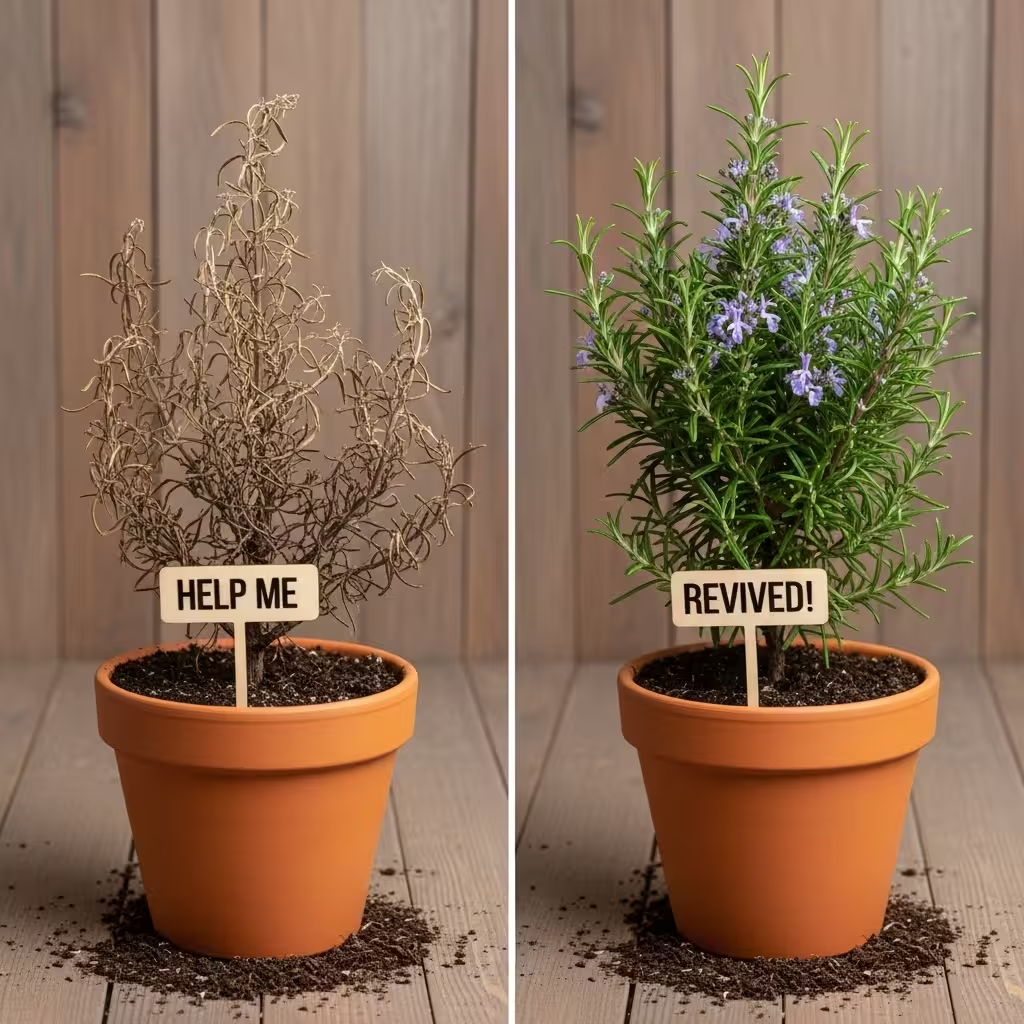
Turn a simple herb purchase into a 20+ year investment with these proven longevity secrets
Why Most Rosemary Plants Die Young
You bought a beautiful rosemary plant, enjoyed it for a year or two, then watched it slowly decline and die. Sound familiar? Here’s the truth: rosemary can live for decades, but most gardeners accidentally kill them with kindness.
The biggest killers:
- Overwatering (kills more rosemary than anything else)
- Wrong location (not enough sun)
- Poor drainage (wet roots = dead plant)
- Winter neglect (forgetting cold protection)
Get these basics right, and your rosemary will outlive your pets.
Start With a Winner: Best Long-Living Varieties
Not all rosemary varieties are built to last. Choose these proven survivors:
Arp: Handles cold better than most, extremely hardy
Tuscan Blue: Tall, sturdy, perfect for cooking and landscaping
Hill Hardy: Lives up to its name, tolerates tough conditions
Salem: Compact but tough, great for containers
Skip the fancy varieties until you master growing the hardy ones.
The Perfect Location Formula
Rosemary has simple but non-negotiable requirements:
Full sun: Minimum 6-8 hours daily Good drainage: Water must flow away quickly Air circulation: Prevents fungal problems Wind protection: Shield from harsh winter winds
Container vs. Ground:
- Cold climates: Use large containers you can move indoors
- Warm climates: Plant directly in ground for maximum size
- Marginal zones: Containers give you winter options
Soil That Creates Lifelong Plants
Rosemary comes from rocky Mediterranean hillsides—it wants fast-draining, lean soil.
Perfect Soil Mix:
- Sandy or gravelly soil (drains quickly)
- pH 6.5-7.5 (slightly alkaline)
- Low fertility (rich soil makes weak plants)
Fix Problem Soils:
- Clay soil: Add coarse sand, perlite, or small gravel
- Container mix: Use cactus/succulent potting soil
- Heavy soil: Build raised beds or mounds
Never plant rosemary in soil that stays wet after watering.
The Watering Strategy That Prevents Early Death
More rosemary dies from overwatering than drought. Master this, master rosemary growing.
Young Plants (First Year):
- Water when top inch of soil is dry
- Water deeply but infrequently
- Reduce watering as plant establishes
Established Plants (2+ Years):
- Water only during extended dry spells
- Deep water every 2-3 weeks in summer
- Almost no water in winter
Container Plants:
- Check drainage holes regularly
- Water when soil pulls away from pot edges
- Empty saucers after watering
Pruning for Decades of Production
Proper pruning keeps rosemary productive and prevents it from becoming a woody, unproductive bush.
Annual Pruning Schedule:
- After flowering: Light pruning to shape
- Late spring: Remove any winter damage
- Summer: Harvest regularly to encourage growth
Pruning Rules:
- Never cut into old woody stems (they won’t regrow)
- Keep center open for air circulation
- Don’t remove more than 1/3 of plant at once
- Always leave some green growth on each branch
Feeding for Longevity, Not Speed
Overfed rosemary grows fast but dies young. Lean, slow-grown plants live longer.
Annual Feeding:
- Early spring: Light compost or balanced fertilizer
- Mid-summer: Weak liquid seaweed solution
- That’s it—no more feeding needed
Avoid These:
- High-nitrogen fertilizers (create weak growth)
- Frequent feeding (makes plants soft)
- Fall fertilizing (prevents proper dormancy)
Winter Protection Strategies
Even hardy rosemary needs help surviving harsh winters.
In-Ground Protection:
- Mulch base with straw or leaves
- Create windbreaks in exposed areas
- Choose sheltered planting spots
Container Protection:
- Move to unheated garage or porch
- Wrap pots in burlap if staying outside
- Bring indoors as last resort (causes stress)
Indoor Winter Care:
- Place in coolest, sunniest spot available
- Water sparingly (biggest indoor mistake)
- Provide good air circulation
Pest and Disease Prevention
Healthy rosemary rarely has problems, but watch for these issues:
Common Problems:
- Root rot: From overwatering—improve drainage
- Aphids: Spray off with water or use insecticidal soap
- Spider mites: Usually from indoor stress—increase humidity
Prevention Strategy:
- Good drainage prevents most problems
- Proper spacing improves air circulation
- Regular harvesting keeps plant vigorous
Smart Harvesting for Continuous Production
How you harvest affects how long your rosemary lives and produces.
Best Practices:
- Cut sprigs from branch tips, not middle
- Harvest regularly during growing season
- Take no more than 1/3 of any branch
- Use sharp, clean tools
Timing:
- Morning after dew dries (strongest oils)
- Before flowering for best flavor
- Year-round in mild climates
Insurance Plan: Keep Backups
Even perfect care can’t prevent accidents. Always have backup plants.
Propagation Strategy:
- Take cuttings every spring
- Root in water or potting mix
- Keep young plants as replacements
- Share extras with friends
Troubleshooting Common Longevity Problems
Plant getting woody and unproductive: Needs annual pruning and regular harvesting
Yellowing leaves: Usually overwatering or poor drainage
Leggy, weak growth: Too much fertilizer or insufficient sunlight
Dies suddenly in winter: Waterlogged soil or extreme cold exposure
Stops growing: May be root-bound (containers) or needs division
Container Growing for Maximum Flexibility
Containers offer the best of both worlds—mobility and control.
Container Requirements:
- Large size (minimum 18-inch diameter for mature plants)
- Multiple drainage holes
- Heavy material (won’t tip over)
- Wheels or plant caddy for easy moving
Maintenance:
- Repot every 3-4 years
- Root prune if becoming pot-bound
- Replace tired potting mix
- Monitor drainage more carefully
Signs of a Lifelong Rosemary Plant
You’ll know you’re doing it right when you see:
- Steady, compact growth each year
- Regular new shoots from base
- Fragrant, needle-like leaves year-round
- Tolerance for weather extremes
- Productive harvests for cooking
The 20-Year Plan
Years 1-2: Focus on establishment and basic care Years 3-10: Enjoy peak production with minimal care Years 10-15: Begin renewal pruning and propagation Years 15+: Harvest from your original plant plus its offspring
Common Myths That Kill Rosemary
“Rosemary needs rich, fertile soil” – Wrong, it prefers lean conditions
“Water regularly like other herbs” – Recipe for root rot
“Bring indoors every winter” – Often more stressful than helpful
“Feed monthly for best growth” – Creates weak, short-lived plants
The Bottom Line
Growing lifetime rosemary isn’t about complicated techniques—it’s about understanding what this Mediterranean native actually needs. Give it sun, drainage, and restraint with water and fertilizer.
Most gardeners fail because they treat rosemary like a typical garden plant. It’s not. It’s a survivor from harsh, rocky hillsides that thrives on neglect once established.
Start with the right variety, plant in the right spot, and resist the urge to pamper it. Your reward? Decades of fresh rosemary for cooking, plus the satisfaction of nurturing a plant that becomes a permanent garden feature.