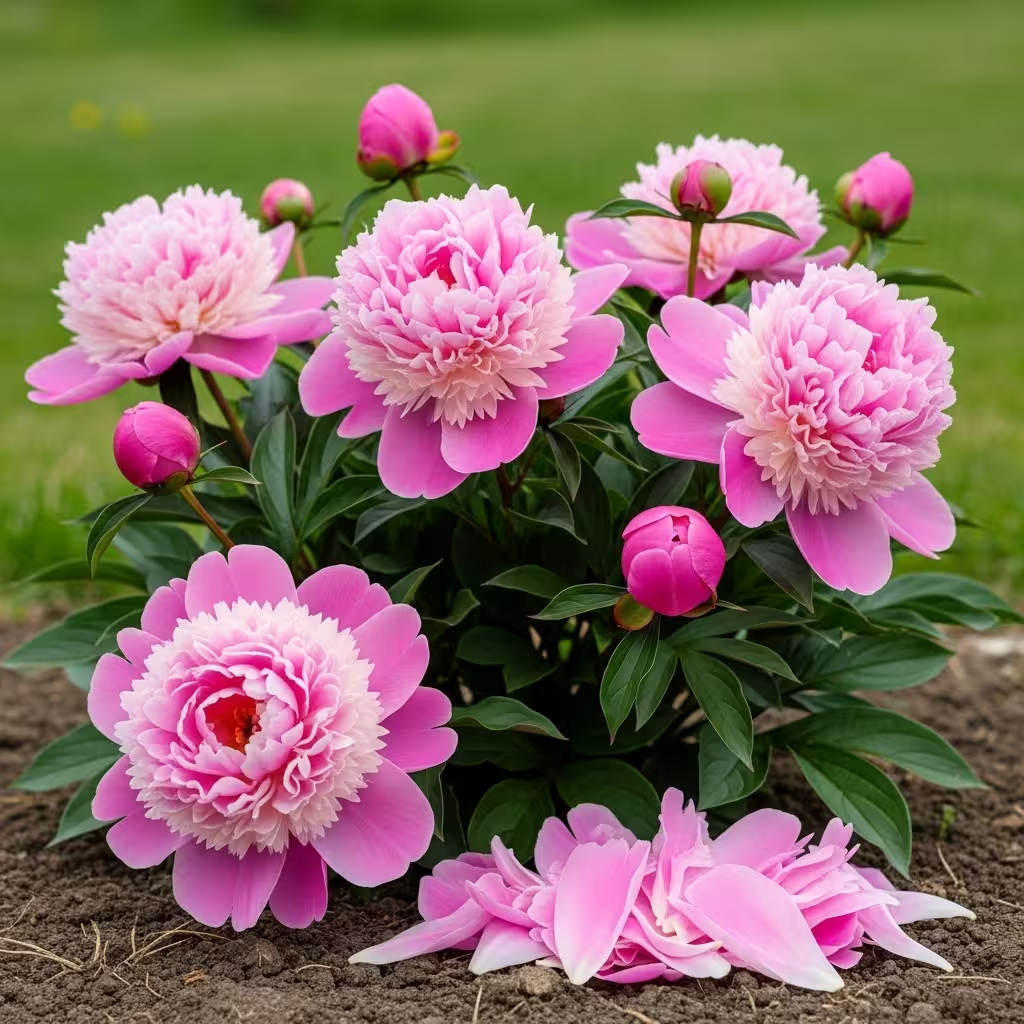
if you head out to your garden right now, you might see them: tiny, deep-red “eyes” poking through the soil like little botanical periscopes. These are the beginnings of your peonies, the undisputed drama queens of the spring garden.
Peonies are famous for being “low-maintenance” once established, but if you want those massive, fragrant, dinner-plate-sized blooms, you can’t just leave them to their own devices in the spring. What you do in the next three weeks will determine whether you get a floral explosion or a floppy, fungal mess.
Here are the 10 non-negotiable spring steps for peony success.
1. The “Debris Detox”
If you didn’t cut back your peonies last fall, do it immediately. Old stems and leaves are the primary hiding spot for Botrytis paeoniae (peony blight). This fungus can cause your buds to turn black and die before they ever open. Clear away any dead material and toss it in the trash—not the compost—to keep those spores far away from the new growth.
2. Check the “Eye” Level
Peonies are incredibly sensitive to planting depth. If the “eyes” (the pink/red buds) are buried more than 2 inches below the soil surface, the plant will grow beautiful leaves but zero flowers. If you find that mulch or soil has washed over the crown during winter, gently brush it away until the eyes are just barely covered.
3. The “Early Bird” Breakfast
Peonies are hungry, but they don’t like a “fast food” diet of high-nitrogen fertilizer. Too much nitrogen gives you lots of green leaves but weak stems.
The Strategy: Use a balanced, slow-release fertilizer (like a 10-10-10) or a bloom-boosting compost when the stems are about 2–3 inches tall. Sprinkle it around the “drip line” of the plant, not directly on the crown.
4. Get the “Girdles” On Early
If you wait until the peony is blooming to support it, you’ve already lost the battle. Peony flowers are heavy, especially after a spring rain.
The Strategy: Place your peony hoops or tomato cages over the plants now, while they are still small. As the stems grow, they will naturally fill the support, hiding the metal wires and staying upright through the heaviest storms.
5. The Truth About Ants
You’ll soon see ants crawling all over the peony buds. Leave them alone. > The Candid Correction: There is an old myth that ants “help” the flowers open by eating the sap. This is 100% false. The ants are simply there for the sugary nectar. They don’t hurt the plant, and in fact, they act as a tiny security detail, chasing off other pests that might actually damage the buds.
6. Master the Watering Routine
Peonies have deep roots, and they hate “shallow” watering.
The Strategy: Give them a deep soak once a week rather than a light sprinkle every day. Focus the water at the base of the plant; keeping the foliage dry is your best defense against powdery mildew.
7. Mind the Mulch Boundaries
While mulch is great for keeping weeds down, it is the enemy of the peony crown.
The Strategy: Keep mulch at least 3 inches away from the base of the stems. If mulch touches the stems, it traps moisture against the plant, leading to stem rot.
8. Airflow is Everything
Peonies need to breathe. If you have several bushes, make sure they aren’t crowded by other perennials.
The Strategy: If your garden has become a jungle, consider thinning out neighboring plants this month. Good airflow prevents the humidity that allows fungus to thrive.
9. The Disease Watch
As the leaves unfurl, keep an eye out for “measles” (small red/purple spots on the leaves).
The Strategy: If you see spotted or distorted leaves, snip them off immediately and clean your shears with alcohol. Catching it early in March prevents it from spreading to the rest of the bush by May.
10. The “No-Move” Pact
Finally, the most important rule for March: Do not move an established peony. Peonies have massive, sensitive root systems that hate being disturbed in the spring. If you move them now, they likely won’t bloom for another two to three years. If you absolutely must relocate them, wait until they are dormant in the fall.
A little bit of housekeeping and a sturdy support system this month will pay off in a spectacular garden display in just a few weeks. Treat your peonies like royalty now, and they’ll return the favor with a fragrance that will define your entire spring.