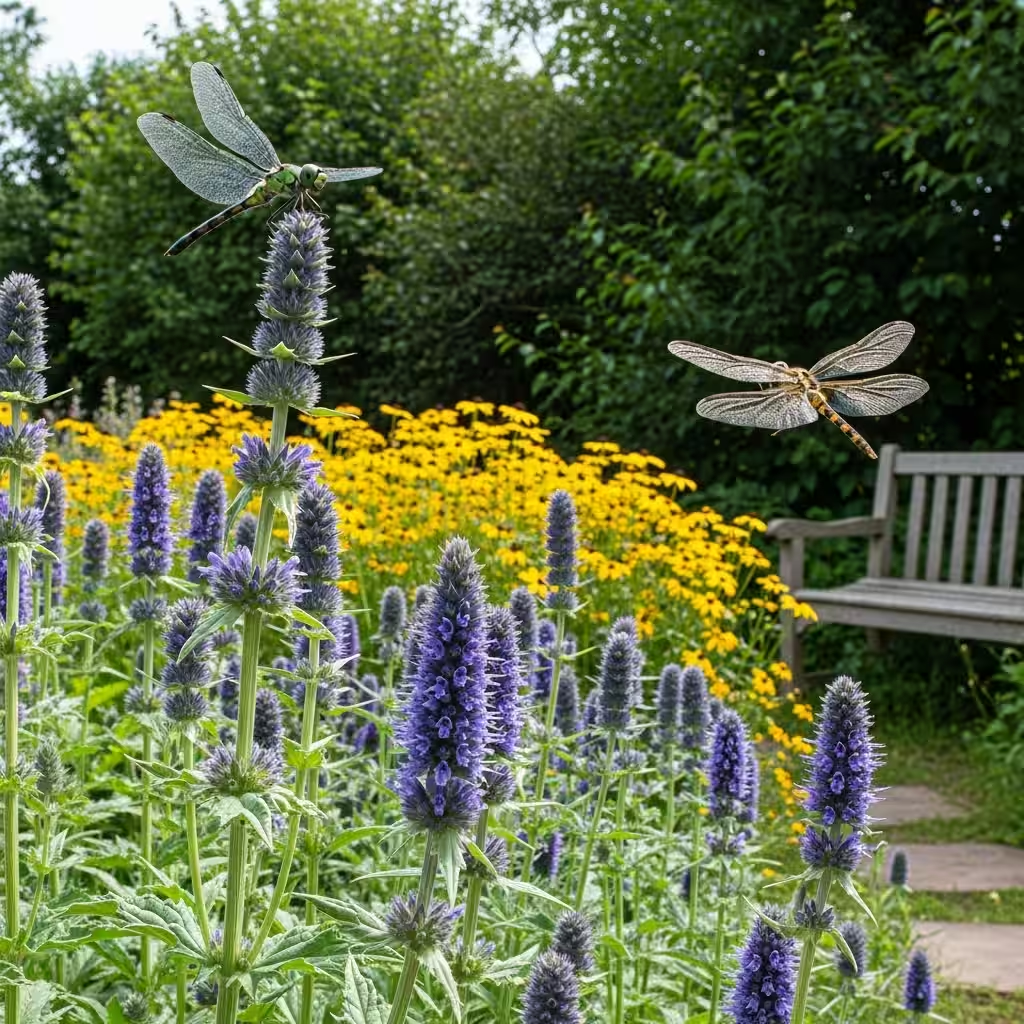
It is early March, and while the air is still crisp, the garden is beginning to stir. Within a few short weeks, we’ll be trading our coats for patio chairs and evening BBQs. But with the warmth comes the inevitable hum of the season’s most uninvited guest: the mosquito.
Before you reach for the chemical foggers or sticky sprays, look to the soil. Nature has spent millions of years evolving plants with “built-in” defense systems. These aromatic powerhouses don’t just smell heavenly to humans; they emit essential oils that act as natural roadblocks for mosquitoes.
By strategically placing these seven plants around your seating areas, you can create a botanical “no-fly zone” that looks as good as it works.
1. Lavender (The Fragrant Deterrent)
Lavender is the crown jewel of the pest-repellent garden. While we find the scent relaxing and luxurious, mosquitoes find it overwhelming and repulsive. This is largely due to the essential oils found on the leaves and flowers.
- The Pro-Tip: Lavender thrives in the heat and loves well-draining soil. Plant it in pots right next to your outdoor seating so the scent drifts around you as you relax.
2. Marigolds (The Golden Boundary)
Marigolds are more than just a pop of orange and yellow color. These hardy annuals contain pyrethrum, a compound used in many organic insecticides. They emit a distinct, musky scent that mosquitoes (and even some garden pests like aphids) go out of their way to avoid.
- The Pro-Tip: Plant them as a “border guard” around the perimeter of your deck or in window boxes to prevent bugs from crossing into your space.
3. Citronella Grass (The Real Deal)
You’ve likely burned citronella candles, but the living plant is much more striking. True Citronella Grass (Cymbopogon nardus) can grow up to six feet tall and carries a high concentration of the oils used in commercial repellents.
- The Pro-Tip: Make sure you are buying the grass, not the “Citronella Geranium,” which is often sold in big-box stores but is far less effective.
4. Rosemary (The Multi-Tasker)
Rosemary is a powerhouse herb that belongs in every kitchen and on every patio. Its woody scent is highly effective at masking the smells that attract mosquitoes.
- The Pro-Tip: If you’re grilling, toss a few sprigs of rosemary onto the coals. The scented smoke will act as a natural incense that drives away bugs while making your BBQ smell incredible.
5. Basil (The Patio Essential)
Basil is one of the few herbs that doesn’t need to be crushed to release its repellent properties. Its pungent aroma acts as a localized shield, making it the perfect centerpiece for an outdoor dining table.
- The Pro-Tip: Look for “Lemon Basil” or “Cinnamon Basil” varieties; the citrus and spice notes provide an extra layer of protection against flying insects.
6. Catnip (The Scientific Standout)
In a famous study, researchers found that nepetalactone, the essential oil in catnip, was ten times more effective at repelling mosquitoes than DEET. It is a member of the mint family and grows with incredible vigor.
- The Pro-Tip: If you have cats, be prepared—they will love this garden addition as much as the mosquitoes hate it!
7. Peppermint (The Cooling Guard)
Peppermint is a fast-growing plant that offers a “triple threat”: it repels mosquitoes, its oil can soothe existing bug bites, and it keeps ants away from your patio furniture.
- The Pro-Tip: Mint is an enthusiastic spreader. To prevent it from taking over your entire yard, always grow it in containers or dedicated pots.
Making the “Magic” Work: A Note on Application
I want to be your honest garden collaborator: simply having one of these plants sitting in the corner won’t create an invisible dome over your house. To get the most out of your botanical shields, keep these three strategies in mind:
The “Crush and Brush” Method: Most repellent oils are trapped inside the leaves. As you walk past your rosemary or lavender, gently brush your hands against the foliage to release the oils into the air.
Proximity is Key: Don’t plant your mosquito-repelling garden at the far edge of your yard. These plants need to be within a few feet of where you actually sit. Think of them as “living furniture”—place them in pots on your coffee table, hanging baskets on the porch, and borders along the walkway.
Eliminate the Source: No amount of lavender can compete with a bucket of standing water. While you plant your “powerhouses” this month, take five minutes to tip over any flowerpots, gutters, or birdbaths that are collecting stagnant water.
By leaning into nature’s own chemistry, you can enjoy a backyard that smells like a spa and remains a sanctuary from the summer’s most annoying pests.