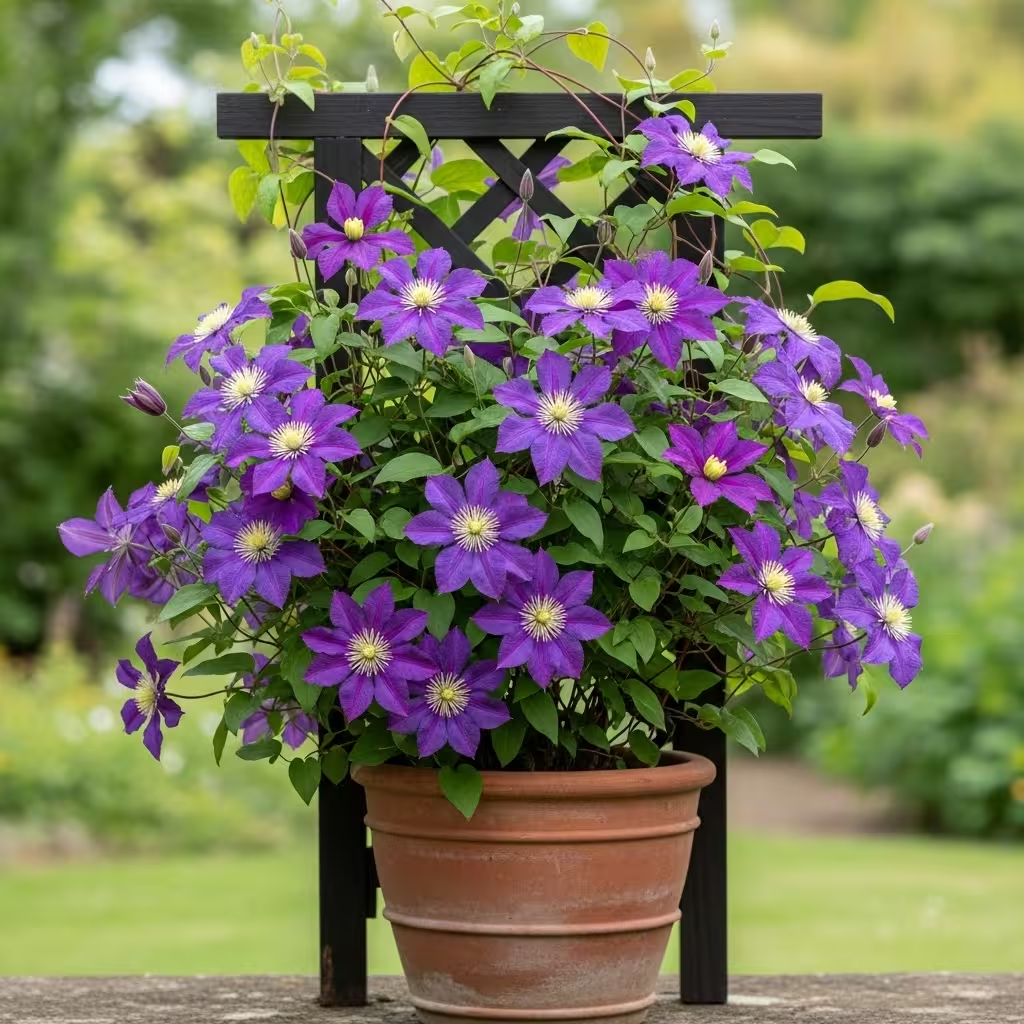
Every spring, the same complaint echoes through gardening groups: “My hydrangeas have gorgeous leaves but zero flowers.” The diagnosis is usually the same—enthusiastic fall cleanup or early spring pruning that eliminated next season’s blooms before they had a chance.
Hydrangeas aren’t hard to grow. They’re just unforgiving about timing. Cut at the wrong moment, and you’ve wasted an entire year. The problem is most people don’t know which type they have or when it sets buds.
The Critical Distinction: Old Wood vs. New Wood
This is the only thing that matters. Some hydrangeas bloom on old wood—stems that grew last year. Others bloom on new wood—stems that grow this spring. A few bloom on both.
Prune an old-wood bloomer in fall or early spring, and you’re removing stems that already formed flower buds. You won’t see it—the buds are microscopic—but they’re there. Cut them off, and you get leaves instead of flowers. All year.
Prune a new-wood bloomer in summer after flowering, and you’re removing stems that would have bloomed next year. Different timing, same mistake.
The key is knowing which you have. Most people don’t.
The Five Types
Bigleaf hydrangeas (the classic mopheads and lacecaps) bloom on old wood. They set buds in late summer and fall for next year’s show. If you prune them in fall cleanup or early spring “shaping,” you’ve eliminated the flowers. Only prune right after blooming finishes—usually late summer—and even then, just deadhead spent blooms. Leave the structure alone.
Oakleaf hydrangeas also bloom on old wood. Those cone-shaped flower clusters and gorgeous fall foliage come from last year’s growth. Same rule: prune only after flowering, and keep it minimal. Remove dead or damaged wood, nothing more.
Panicle hydrangeas bloom on new wood. These are the ones with tall, cone-shaped flowers that start white and fade to pink. You should prune them—hard—in late winter or very early spring before growth starts. They’ll regrow vigorously and bloom on that new growth. Skip pruning, and they get leggy and weak.
Smooth hydrangeas (like ‘Annabelle’) also bloom on new wood. Cut them back to 12-18 inches in late winter or early spring. This forces compact, bushy growth and bigger blooms. These are nearly impossible to over-prune at the right time.
Reblooming varieties (like ‘Endless Summer’) bloom on both old and new wood. They’re more forgiving but not indestructible. Light pruning after the first bloom encourages a second flush. Heavy pruning still costs you flowers.
How to Tell Which You Have
If you don’t know the variety name, observe blooming time and flower shape:
- Big round or flat clusters blooming early summer = likely bigleaf (old wood)
- Cone-shaped flowers blooming mid-to-late summer = likely panicle (new wood)
- Large white snowball blooms = likely smooth (new wood)
- Oak-leaf shaped foliage with cone flowers = oakleaf (old wood)
When in doubt, don’t prune. You’ll get blooms even without pruning. Pruning wrong guarantees you won’t.
The Three Reasons People Prune Wrong
Fall cleanup obsession. That urge to tidy everything before winter kills old-wood bloomers. Those brown flower heads you’re removing? They’re protecting next year’s buds underneath. Leave them until spring, then only remove dead wood.
Early spring “shaping.” By March, gardeners get antsy. They see hydrangeas looking scraggly and start cutting. If it’s an old-wood bloomer, that’s game over for flowers that year. Wait until you can see which stems are alive (green under the bark) and which are dead (brown and brittle). Only remove the dead ones.
Treating all hydrangeas the same. The biggest mistake. One technique doesn’t work universally. Panicle hydrangeas need hard pruning. Bigleaf hydrangeas need almost none. Apply the wrong strategy, and results fail predictably.
What Dead Buds Look Like (When You Can’t See Them)
You can’t see microscopic flower buds, but you can identify living vs. dead stems. Scratch the bark gently with your fingernail. Green underneath = alive, potentially with buds. Brown and dry = dead, safe to remove.
On old-wood bloomers, those fat buds near stem tips in late winter are next summer’s flowers. Cut them off, and you’re done.
The Other Bloom Killers
Sometimes pruning isn’t the problem:
Too much nitrogen. High-nitrogen fertilizers (like lawn food) produce lush foliage and zero flowers. Use balanced fertilizer or skip it entirely.
Excessive shade. Most hydrangeas need morning sun. Deep shade = leaves only.
Late frost. Spring freezes can kill emerging buds on old-wood bloomers. You’ll see blackened, crispy bud tips. Nothing fixes this except waiting for next year.
But these are secondary. Improper pruning remains the primary reason hydrangeas don’t bloom.
The Actual Fix
Stop pruning as routine maintenance. Hydrangeas don’t need annual haircuts. They need dead wood removed and occasional shaping—nothing more.
For old-wood bloomers: Touch them only after flowering. Remove spent blooms if you want, but leave the structure alone. In spring, only cut obviously dead stems.
For new-wood bloomers: Cut back hard in late winter before growth starts. They’ll regrow vigorously and bloom on that fresh growth.
For rebloomers: Light deadheading after first flush. Otherwise, hands off.
The secret to hydrangea blooms isn’t better pruning—it’s less pruning at the right time. These plants evolved to bloom reliably without human intervention. We’re usually the problem, not the solution.
The Bottom Line
If your hydrangeas have leaves but no flowers, stop cutting them in fall and spring. Identify which type you have. Learn its blooming schedule. Prune accordingly—or better yet, don’t prune at all unless you’re certain of the timing.
Most failed hydrangea blooms aren’t caused by what you didn’t do. They’re caused by what you did—with good intentions, at the wrong time. Sometimes the best gardening is knowing when to put down the pruners and walk away.