As summer’s vibrant energy fades and gardens begin their seasonal retreat, an unexpected opportunity emerges. While most gardeners are putting away their tools and planning for spring, savvy plant lovers know that autumn holds a transplanting secret that can transform next year’s garden.
Why Autumn Wins the Transplanting Game
Think of fall transplanting as giving your plants a head start while they sleep. Unlike spring moves that force plants to juggle both relocation stress and active growth, autumn transplanting lets perennials settle into their new homes during nature’s quietest season.
The science is simple but powerful. As temperatures drop and daylight shortens, plants naturally redirect their resources downward. Surface growth slows to a crawl while roots continue developing beneath the soil. This underground work happens invisible to us but makes all the difference come spring.
Consistent autumn rainfall does the heavy lifting for irrigation, while cooler air means less moisture evaporates from leaves and soil. Your plants stay hydrated with minimal intervention, and you spend less time hovering with a watering can.
Eight Champions of the Fall Move
The Shade Garden Staples
Hostas practically beg to be moved in fall. As their broad leaves yellow and collapse, these shade lovers are already thinking about next year. Their fibrous root systems divide easily, and they’re forgiving if you accidentally slice through a root or two. The real bonus? Each division becomes a new plant for filling those dark corners under trees.
Peonies have an undeserved reputation for being temperamental about moves. The truth is they’re only fussy about one thing: depth. Plant the crown too deep and you’ll wait years for blooms that never come. But move them in fall, position those buds just an inch or two below the surface, and you’ve set yourself up for decades of reliable flowering.
The Sun Worshippers
Daylilies earn their reputation as the workhorse of sunny borders partly because they’re nearly impossible to kill during transplanting. Their tuberous roots store enough energy to power through relocation without missing a beat. When clumps become so crowded they produce fewer blooms, an October division refreshes them completely.
Bearded irises actually perform better after regular moves. Their rhizomes spread horizontally, eventually creating such dense mats that blooming declines. Lifting, dividing, and replanting every few years keeps them vigorous. The key is positioning rhizomes at the soil surface like small logs resting on top, not buried treasure.
The Prairie Natives
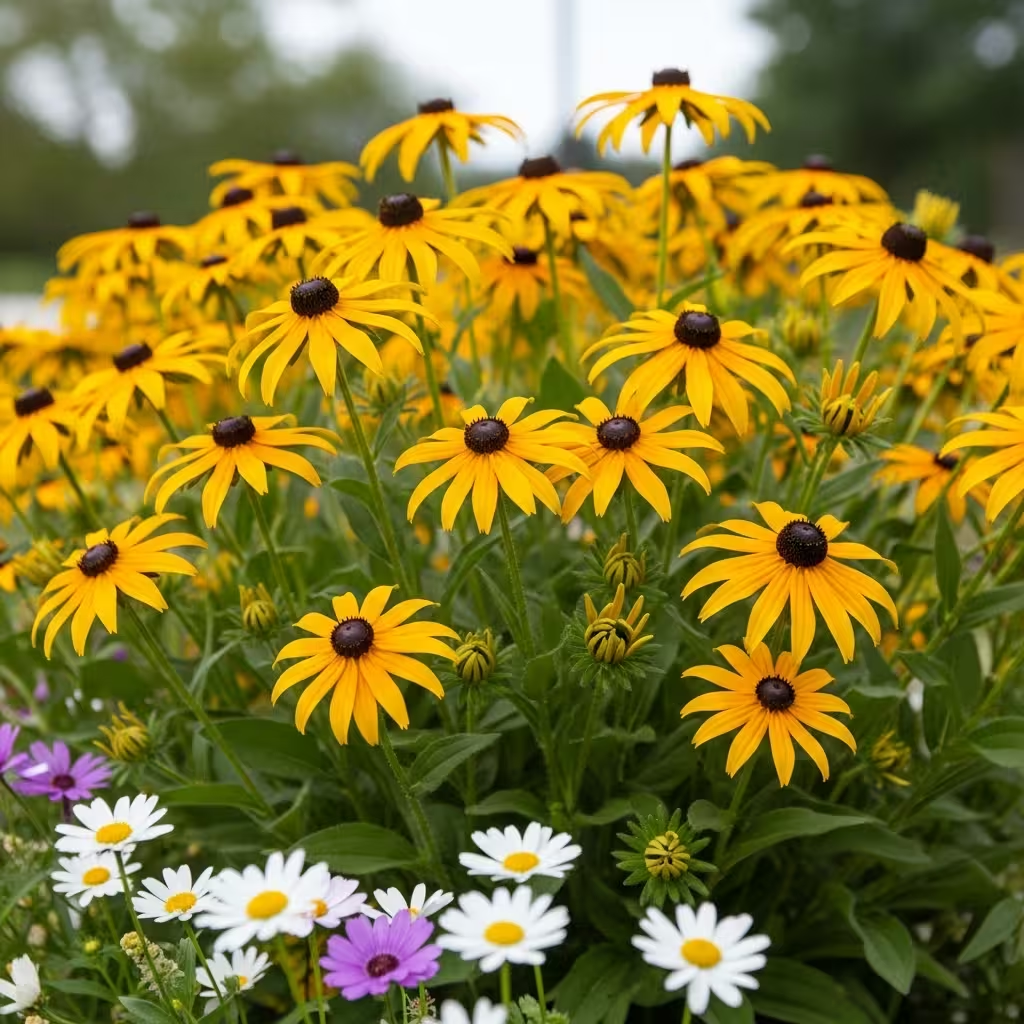
Coneflowers and black-eyed Susans share Midwestern roots that make them naturally tough. Their taproots reach deep, anchoring them through drought and storms. This same root strength makes them confident transplanters. Once established in fall, they emerge in spring with the vigor of plants that have been in place for years.
Garden phlox benefits from fall moving in an unexpected way. These tall beauties often suffer from powdery mildew in crowded conditions. An autumn transplant with proper spacing gives them the air circulation they need to stay healthy through next summer’s humidity.
The Succulent Survivor
Sedums represent the ultimate low-stress transplant. Their succulent leaves and stems store so much moisture that they barely notice when you dig them up. The upright varieties bloom late, often holding their russet flower heads into early winter. By the time they’re ready to move, they’re already transitioning into dormancy.
The Transplanting Process That Actually Works
Success comes down to preserving roots and eliminating stress. Start by watering your target plant thoroughly the day before moving it. Moist soil clings to roots better than dry, dusty earth, and hydrated plants handle the shock better.
When digging, resist the urge to plunge your spade straight down near the crown. Instead, work in a circle at least six inches out from the visible plant. Most perennials spread their roots wider than you’d expect. Dig outward and downward at an angle, creating a cone of soil around the root ball.
Speed matters once the plant is out of the ground. Exposed roots dry quickly, even in cool weather. Have your new hole dug and ready before you lift the plant. If you must wait, cover roots with damp burlap or set the plant in shade.
The new planting hole should be as deep as the root ball but twice as wide. This gives roots room to spread into loosened soil without forcing them to push through compacted earth. For most perennials, a shovelful of compost mixed into the backfill provides enough nutrition. Sedums and other tough plants prefer lean soil, so skip the amendments for them.
After planting, water deeply and thoroughly. The goal isn’t just moistening soil but filling in air pockets that form around roots. Use a slow trickle from the hose and let water soak in rather than running off. A two-inch layer of shredded bark mulch insulates roots from freeze-thaw cycles and keeps moisture consistent.
Timing Your Move Right
Early to mid-October hits the sweet spot in most regions. Plants have begun dormancy but at least four to six weeks remain before hard freezes arrive. This window gives roots time to establish before winter truly sets in.
Watch your specific plants for signals. Hostas with completely yellowed leaves are ready. Daylilies showing significant foliage dieback can move. Irises with slowing growth but still-green fans transplant well. The common thread is plants transitioning from active growth into rest mode.
What Spring Will Bring
The real payoff for autumn transplanting reveals itself months later. While spring-moved plants spend weeks looking stressed and struggling to grow, your fall transplants will emerge strong and ready. They’ve already developed the root systems needed to support vigorous top growth.
Expect healthier plants with better drought tolerance, since established roots reach deeper for moisture. Flowering often improves too, as plants with adequate root space produce more buds. And divisions made in fall create multiple plants from one, letting you expand your garden without buying new stock.
The autumn garden may look like it’s winding down, but beneath the surface, opportunity is growing. With these eight hardy perennials and a few hours of careful work, you’re not just moving plants—you’re investing in a stronger garden for years to come.