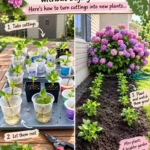
Pinterest and Instagram are full of beautiful mason jars lined up on sunny windowsills, each sprouting lush herbs in crystal-clear water. It looks effortless, sustainable, and Instagram-perfect. So people try it, watch their cuttings rot or stagnate, and wonder what they did wrong.
Here’s what nobody tells you: growing herbs in water long-term is harder than growing them in soil. The pretty photos show week two—not month three when the water turns murky, growth stops, and you’re left with sad, leggy stems that never quite thrive.
The Reality of Hydroponic Herbs
Yes, most herbs will root in water. That part is easy. Getting them to thrive long-term is different. Without soil, plants lack access to micronutrients, beneficial bacteria, and the physical support that promotes strong growth. Water provides survival, not optimization.
Those “thriving for months” claims? Technically true, but “surviving” is more accurate. Water-grown herbs typically produce smaller, less flavorful leaves than soil-grown counterparts. They’re functional, not ideal.
This doesn’t mean it’s pointless—just that expectations need adjusting. You’re creating convenient, fresh herb access for immediate use, not replacing a proper herb garden.
The Eleven That Actually Root (With Caveats)
Basil roots fastest and most reliably. It’s practically designed for water propagation. But even basil eventually wants soil—after 4-6 weeks, growth slows noticeably. The leaves remain usable but smaller and less aromatic than soil-grown basil.
Mint is nearly indestructible. It roots aggressively, spreads in water, and tolerates neglect. Of all water-grown herbs, mint performs closest to soil-grown quality. It’s the success story that makes people think all herbs work this way. They don’t.
Oregano roots slowly but persists reasonably well once established. The flavor remains decent, though leaves are smaller. Requires bright light and frequent water changes or it sulks.
Rosemary is the difficult one. It can root in water, but it’s slow, picky about conditions, and prone to rot. Success rate is maybe 50%. When it works, it’s impressive. When it fails, it’s frustrating.
Thyme roots moderately well but grows slowly. The stems tend to get woody in water faster than in soil, reducing usable herb production. Better as a short-term project than permanent setup.
Sage has gorgeous velvety leaves that photograph well, which is why it appears in every water herb list. Reality: it’s prone to rot, requires excellent light, and produces minimal new growth. Decorative more than functional.
Lemon balm roots easily and maintains decent growth, though not as vigorously as in soil. The citrusy scent remains strong, making it worthwhile for teas despite slower production.
Cilantro hates everything about water culture. It bolts quickly, roots poorly, and sulks constantly. Technically possible? Yes. Worth the effort? Rarely. Cilantro wants soil, cool temperatures, and specific conditions water can’t provide.
Parsley roots adequately and produces steady leaves if given enough light. Curly parsley tends to do better than flat-leaf in water. It’s middle-of-the-road—works okay, not spectacular.
Stevia is surprisingly successful in water, rooting quickly and maintaining sweetness in leaves. Uncommon but genuinely effective for water culture. One of the few that actually thrives rather than just survives.
Tarragon roots slowly and produces minimal new growth. The anise flavor persists, but you’re not getting abundant harvests. Better to buy fresh or grow in soil.
The Technique That Actually Works
The standard advice—cuttings in water on a windowsill—is incomplete. Here’s what makes the difference between success and rot:
Use softwood cuttings from actively growing plants, 4-6 inches long with several leaf nodes. Hardwood stems root slowly or not at all.
Strip lower leaves completely. Any foliage submerged will rot, clouding water and creating bacterial issues. Only stems should touch water.
Change water every 2-3 days minimum. Not weekly—every few days. Stagnant water breeds bacteria that rot roots. Fresh water is non-negotiable.
Use filtered or dechlorinated water. Tap water chlorine stresses plants. Let it sit 24 hours before use, or use filtered water.
Provide bright, indirect light—not direct harsh sun, which heats the water and promotes algae. But not dim corners either. Think sunny windowsill with sheer curtain.
Add liquid fertilizer sparingly—1/4 strength every two weeks. Without soil nutrients, water-grown plants starve slowly. Diluted hydroponic fertilizer prevents deficiencies.
Why It Usually Fails
Inadequate light. Most indoor windowsills don’t provide enough intensity. Plants survive but don’t thrive, producing weak, pale growth. Supplemental grow lights solve this but defeat the “simple windowsill” appeal.
Infrequent water changes. Once weekly isn’t enough. Water quality degrades quickly in small containers without circulation. By day five, bacterial load is problematic.
Wrong herb selection. Not everything works equally. Choosing difficult herbs (rosemary, sage, cilantro) guarantees frustration. Start with mint and basil—the easy ones—before attempting challenging varieties.
Overcrowding jars. Multiple stems in one container compete for oxygen and promote rot. One or two stems per jar works; five stems in a crowded mason jar fails predictably.
The Actual Use Case
Water herb propagation works brilliantly for: rooting cuttings before transplanting to soil, keeping fresh-cut herbs alive longer (3-4 weeks vs. a few days refrigerated), and creating temporary herb access when you’re between gardens.
It works less well for: permanent herb gardens, high-volume herb production, or replacing proper potted herbs.
The Instagram aesthetic is real for about a month. Then you’re either transplanting to soil or maintaining something that looks okay but performs mediocrely.
The Honest Assessment
Can you grow herbs in water? Yes. Will they look pretty initially? Absolutely. Will they provide the abundant, flavorful harvests of soil-grown herbs? No.
Water culture is supplemental—extending the life of cuttings, providing modest fresh herb access, or bridging gaps between gardens. It’s not a replacement for proper herb growing.
The appeal is the simplicity and clean aesthetic. The reality is that simplicity comes with compromises: slower growth, smaller leaves, less flavor intensity, and higher maintenance than expected (constant water changes).
The Better Approach
If you want windowsill herbs year-round, use small pots with proper potting soil. It’s messier initially but requires less daily fiddling, produces better herbs, and actually works long-term.
Use water propagation for what it does well: rooting cuttings, keeping grocery store herbs alive longer, and short-term herb access. Then transplant successful cuttings to soil where they’ll actually thrive.
The perfect Instagram photo isn’t the same as functional herb production. Sometimes the best gardening advice is knowing when aesthetics and practicality diverge—and choosing based on your actual goals, not someone else’s curated feed.