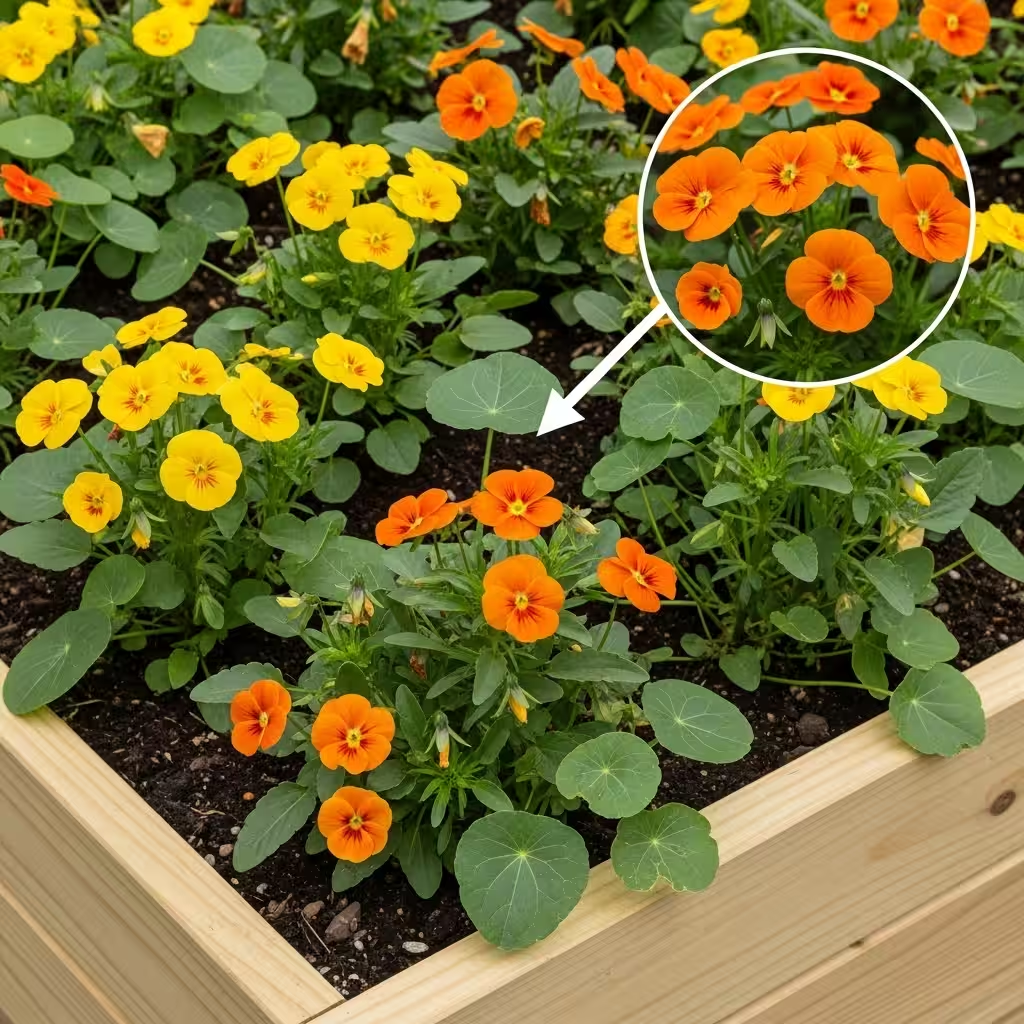
There’s a plant sitting quietly in seed catalogs and garden centers that deserves far more attention than it gets. While gardeners obsess over finicky roses and temperamental tomatoes, nasturtiums offer something radical: beauty without the drama.
The Anti-Maintenance Marvel
In a world where gardening often feels like a second job, nasturtiums are delightfully defiant. They actually prefer neglect. Give them rich soil and fancy fertilizers, and they’ll reward you with nothing but leaves. Ignore them in mediocre dirt, and they’ll explode with color. It’s the horticultural equivalent of a low-maintenance friend who thrives on spontaneity rather than elaborate plans.
This counterintuitive nature makes nasturtiums perfect for our modern lives. Forgot to water? They’ll forgive you. No time for soil amendments? They prefer it that way. They’re the garden equivalent of that cast-iron pan you can’t ruin—resilient, reliable, and somehow better when you don’t overthink things.
A Feast for the Eyes and the Table
Here’s where nasturtiums get genuinely interesting: every part of the plant is edible. The flowers aren’t just decorative—they pack a peppery punch that elevates everything from salads to cream cheese spreads. The leaves add arugula-like spice to sandwiches. Even the seeds, when pickled young, become “poor man’s capers” with a tangy bite.
This dual-purpose nature makes nasturtiums uniquely practical. You’re not just growing decoration; you’re cultivating food. In an era where edible landscaping is gaining traction, nasturtiums bridge that gap effortlessly. They’re the rare plant that looks gorgeous in your flower bed and equally at home on your dinner plate.
The Bodyguard of Your Garden
Perhaps nasturtiums’ most clever feature is their role as sacrificial heroes. They attract aphids and other pests like a magnet—but that’s exactly the point. Plant them near your prized vegetables, and pests will target the nasturtiums first, leaving your tomatoes and cucumbers untouched. It’s biological warfare at its most elegant.
Meanwhile, their bright blooms summon the good guys: bees, butterflies, and hummingbirds flock to nasturtiums, turning your garden into a pollinator paradise. You’re essentially creating a balanced ecosystem where the plant does the heavy lifting.
Design Flexibility Without Compromise
Nasturtiums don’t care about your garden’s size or style. Got a postage-stamp balcony? They’ll thrive in containers. Sprawling suburban yard? Let them cascade as ground cover. Want vertical interest? They’ll climb trellises with enthusiasm. This adaptability means you can squeeze them into any space, filling gaps and softening edges with their cheerful, lily-pad leaves and vibrant trumpets.
The Economic and Ecological Win
In practical terms, nasturtiums are almost absurdly economical. One seed packet multiplies into dozens of plants, and because they self-seed readily, you might only buy them once. They require minimal water, zero fertilizer, and no pesticides. For environmentally conscious gardeners trying to reduce their footprint, nasturtiums check every box.
The Verdict
Nasturtiums represent something rare in gardening: a plant that gives more than it asks. They demand little, tolerate mistakes, feed you, protect your other plants, and create habitat for beneficial wildlife—all while looking absolutely radiant.
In a hobby that can sometimes feel overwhelming, nasturtiums remind us that gardening doesn’t have to be complicated to be rewarding. Sometimes the best choice is the one that simply works, season after season, without complaint or fuss.
So if you’re planning your garden this year, consider giving nasturtiums a starring role. They might just be the easiest decision you make all season.