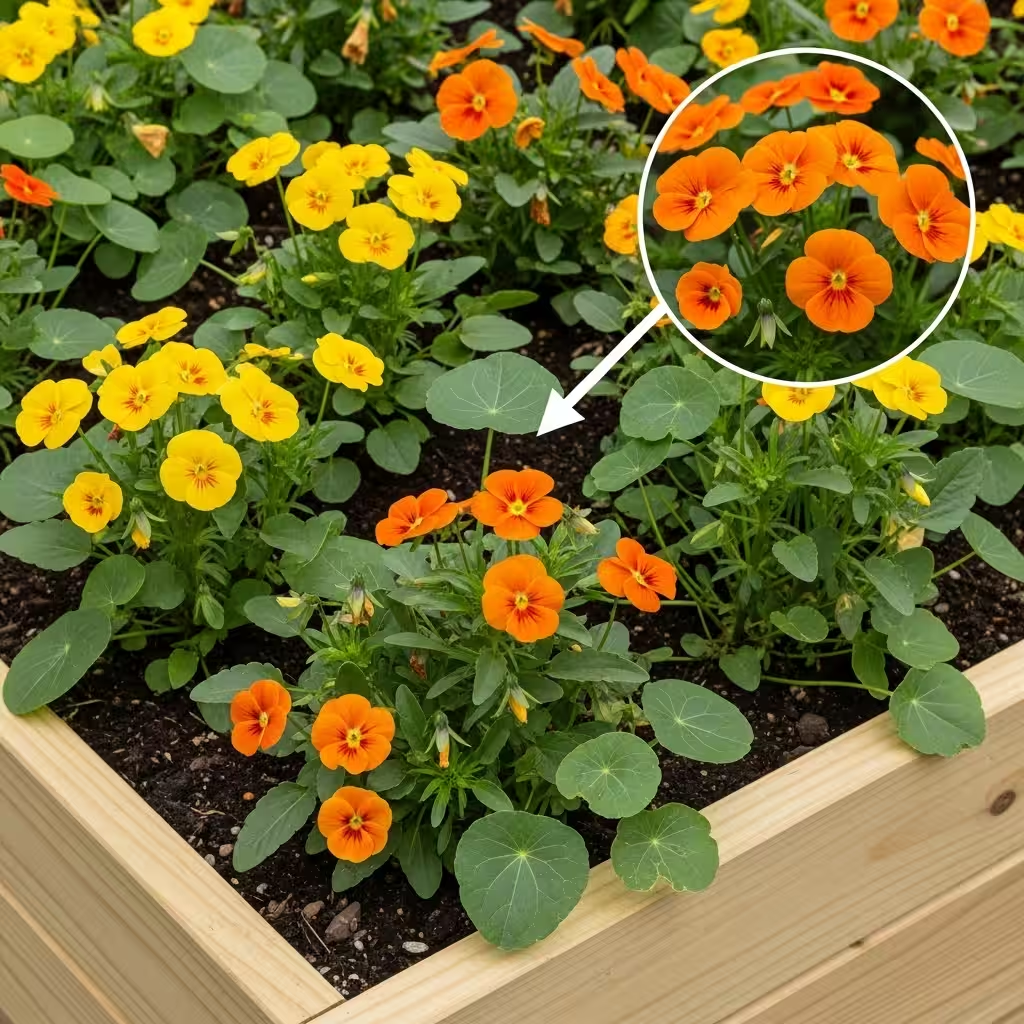
Companion planting is the art of pairing plants that help each other thrive. For cucumbers, the right companions provide “living trellises,” act as biological pest control, or even boost the nitrogen levels in the soil. By filling your garden with these nine strategic partners, you can create a self-sustaining ecosystem that works for you.
1. Nasturtiums: The Ultimate Trap Crop
Nasturtiums are perhaps the most important companion for cucumbers. They act as a “trap crop,” drawing aphids and whiteflies away from your vines. Even better, their peppery scent is a natural deterrent for the striped cucumber beetle, which is the primary carrier of bacterial wilt.
2. Marigolds: The Scented Shield
Marigolds are famous for their pungent aroma. By planting them around the perimeter of your cucumber patch, you mask the scent of the vines, making it much harder for pests to locate your crop. They also protect the roots by repelling harmful soil nematodes.
3. Dill: The Pollinator Magnet
Dill is a powerhouse in the cucumber patch. It attracts predatory insects like hoverflies and wasps that eat the pests you don’t want. Plus, many gardeners swear that growing dill nearby enhances the crisp flavor of the cucumbers themselves.
4. Sunflowers: The Living Trellis
Cucumbers love to climb, but metal trellises can get hot and expensive. Sunflowers provide a sturdy, natural structure for vines to wrap around. Their large leaves also provide much-needed dappled shade for the cucumbers during the scorching heat of July and August.
5. Corn: The Vertical Partner
Similar to sunflowers, corn stalks make excellent supports for climbing cucumber varieties. Because corn is a “heavy feeder” and cucumbers are relatively shallow-rooted, they occupy different levels of the soil, allowing you to maximize your space without the plants competing for resources.
6. Beans: The Nitrogen Fixers
Cucumbers need plenty of nitrogen to produce those lush green leaves. Beans (both bush and pole varieties) have a unique ability to pull nitrogen from the air and store it in the soil. This acts as a slow-release fertilizer that feeds your cucumbers throughout the season.
7. Peas: The Early Season Boost
If you plant peas early in the spring, they will begin fixing nitrogen in the soil just as you are ready to transplant your cucumber seedlings. By the time the weather gets too hot for the peas, the cucumbers can take over their trellis space.
8. Oregano: The Pest Repellent Groundcover
Oregano is a hardy herb that spreads to create a dense living mulch. This protects the soil from drying out and provides a confusing “scent barrier” that deters various flying insects from landing on your cucumber leaves.
9. Borage: The “Magic” Herb
Borage is often called the “king of companion plants.” It produces beautiful blue flowers that are irresistible to bees. Since cucumbers require pollination to produce fruit, having borage nearby ensures every single flower on your vine gets visited by a pollinator.
What to Avoid Planting Nearby
While these nine plants are friends, some are definitely “frenzies.” Keep these away from your cucumber patch:
- Potatoes: They compete for the same nutrients and can increase the risk of blight.
- Sage: This herb is known to stunt the growth of cucumber vines.
- Melons: They attract the same pests and diseases, which can lead to a total crop failure if one gets sick.
Pro Tip for Success
When planting your “living trellises” (corn or sunflowers), give them a two-week head start. You want the stalks to be at least 6–8 inches tall and sturdy before the cucumber vines begin their rapid climb.