Some plants demand your attention with complicated care routines and fussy requirements. Then there’s the nasturtium—a cheerful overachiever that asks for almost nothing while delivering far more than you’d expect from such a modest investment.
If you’ve been overlooking these vibrant bloomers in favor of more “sophisticated” garden choices, it’s time to reconsider. Nasturtiums (Tropaeolum) punch well above their weight class, offering benefits that extend far beyond their colorful petals. Here’s why these underrated plants deserve serious consideration, regardless of your gardening experience level.
The Ultimate Beginner-Friendly Plant
Let’s address the elephant in the garden: not everyone has a green thumb, and that’s perfectly fine. Nasturtiums thrive on benign neglect, making them ideal for gardeners who want results without the stress.
These plants actually prefer lean, nutrient-poor soil—a trait that sets them apart from most flowering annuals. Rich, heavily fertilized soil produces lush green foliage at the expense of blooms. In other words, nasturtiums reward you for doing less, not more.
Getting Started Is Ridiculously Simple:
- Direct-sow seeds outdoors after frost danger passes
- Pick any sunny location (though they’ll tolerate some shade)
- Water lightly until established, then back off
That’s essentially it. No soil amendments, no complicated feeding schedules, no hand-wringing over pH levels.
A Rainbow You Can Actually Afford
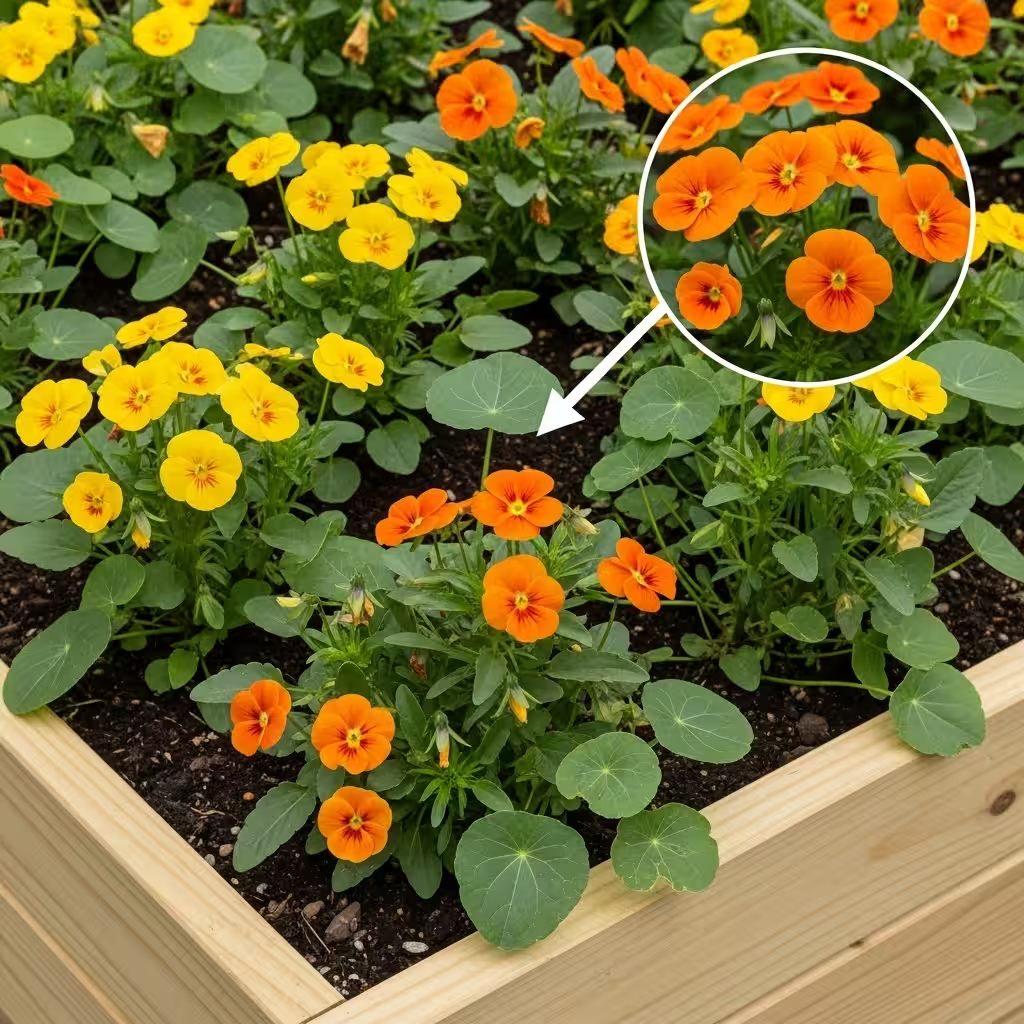
Nasturtiums deliver serious visual impact without the premium price tag of trendy ornamentals. Their color palette spans warm sunset shades—brilliant yellows, electric oranges, and deep burgundy reds—that create instant focal points wherever you plant them.
The flowers themselves are architectural marvels: delicate trumpets emerging from perfectly round, lily-pad-like leaves. Some varieties sprawl gracefully along the ground, creating living tapestries of color. Others climb enthusiastically up supports, transforming bland fences or trellises into vertical gardens. The overall effect feels simultaneously wild and intentional, cottage garden charm meets modern exuberance.
Your Salad Just Got More Interesting
Here’s where nasturtiums really separate themselves from purely ornamental flowers: you can eat every single part of them. Leaves, flowers, even the seeds—all edible, all packed with a pleasant peppery kick reminiscent of watercress or arugula.
Fresh flowers scattered across a simple green salad transform an everyday dish into something restaurant-worthy. The leaves add complex, spicy notes to sandwiches and wraps. Feeling adventurous? Those immature green seed pods can be pickled to create surprisingly convincing “poor man’s capers” with a tangy, briny flavor.
Creative Culinary Applications:
- Float whole blooms in summer cocktails or iced tea
- Process leaves into unconventional pesto with nuts and olive oil
- Stuff the large flowers with herbed cream cheese for elegant appetizers
- Pickle seed pods in vinegar with herbs for a gourmet condiment
Growing food and flowers in the same plant isn’t just efficient—it’s deeply satisfying.
The Pest Management Secret Weapon
Nasturtiums earn their keep through clever ecological services. These plants function as sacrificial decoys, attracting common garden pests like aphids, whiteflies, and squash bugs away from more vulnerable crops.
Plant nasturtiums near tomatoes, cucumbers, peppers, or beans, and watch them act as living bodyguards. Pests gravitate toward nasturtiums first, giving you a chance to manage infestations before they spread. Some gardeners simply sacrifice the affected nasturtiums, while others use them as early warning systems to deploy organic controls before damage becomes widespread.
This “trap crop” strategy reduces or eliminates the need for chemical interventions while maintaining garden health—a win for your vegetables, your wallet, and the environment.
Pollinator Magnets in Disguise
Those bright blooms aren’t just for your viewing pleasure. Bees, butterflies, and hummingbirds find nasturtium flowers irresistible, drawn by accessible nectar and vibrant colors.
By incorporating nasturtiums throughout your landscape, you’re actively supporting pollinator populations that keep entire ecosystems functioning. This matters especially in areas where habitat loss threatens these essential species. Your garden becomes more than decoration—it’s a legitimate conservation effort, one cheerful flower at a time.
Adaptable to Any Growing Situation
Limited space? No problem. Balcony garden? Perfect. Sprawling country property? Absolutely.
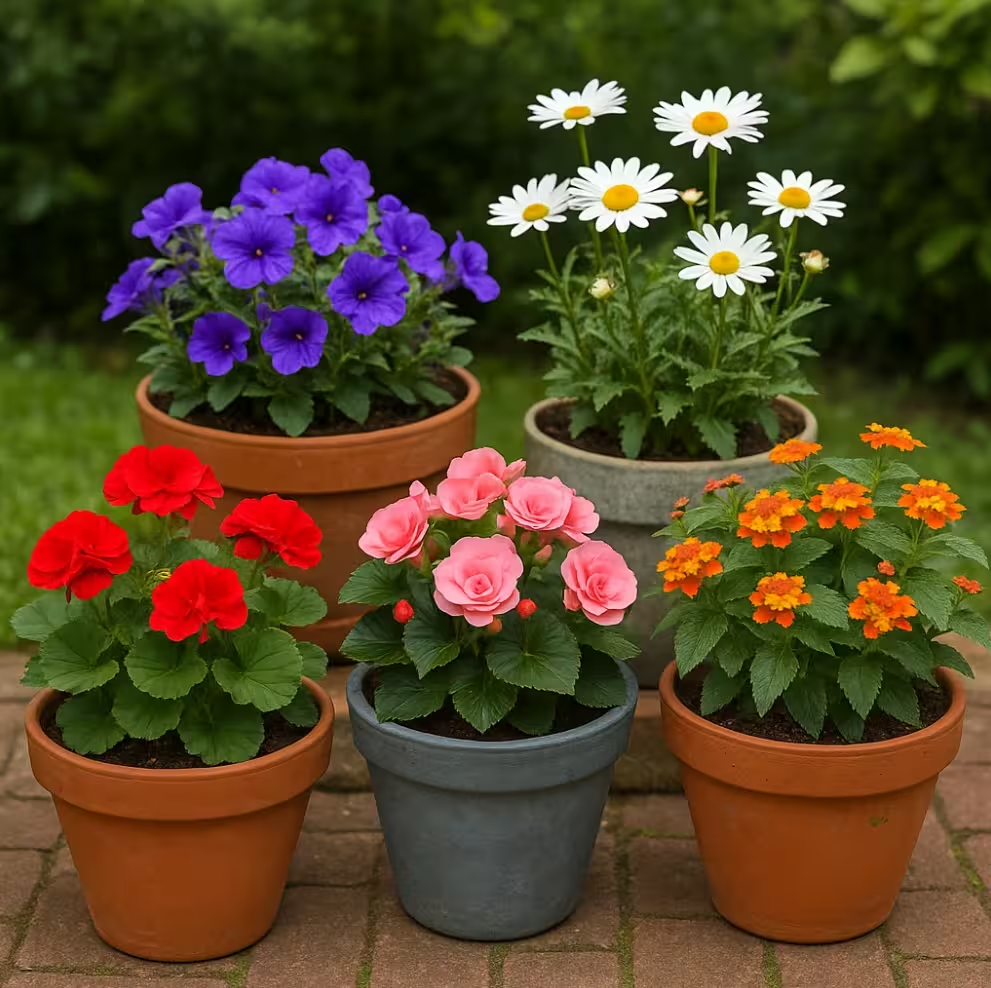
Nasturtiums adapt to containers, hanging baskets, window boxes, raised beds, or traditional in-ground planting with equal enthusiasm. Trailing varieties cascade beautifully from elevated planters, while climbing types eagerly scramble up anything vertical you provide. Bushy mounding varieties work brilliantly as edging plants or ground covers that suppress weeds through sheer coverage.
This flexibility means renters, urban dwellers, and suburban homeowners all have viable options for incorporating nasturtiums into their outdoor spaces.
Self-Sufficient and Budget-Conscious
One inexpensive seed packet can stock your entire garden with nasturtiums—and possibly your neighbor’s garden too. These prolific self-seeders often return year after year without any intervention, dropping seeds that germinate readily when conditions suit them.
For budget-conscious gardeners or those just starting out, this reproductive generosity is pure gold. You make a single small investment and potentially never buy nasturtium seeds again. Compare that to purchasing annual bedding plants every spring, and the value proposition becomes obvious.
Sustainable Gardening Made Easy
Nasturtiums check every box on the sustainability checklist. They need minimal water once established, thrive without synthetic fertilizers, rarely require pesticides, improve soil health, support beneficial insects, and reduce garden maintenance demands.
For gardeners committed to lighter environmental footprints, nasturtiums offer a way to create beauty without compromise. They prove that sustainable practices don’t require sacrifice—sometimes they’re actually easier than conventional approaches.
The Verdict: Stop Overthinking It
Nasturtiums won’t demand your weekends or strain your budget. They won’t sulk if you forget to water them or punish you for imperfect soil conditions. They’ll simply grow, bloom abundantly, feed you and local pollinators, protect your vegetables, and reseed themselves for next year.
Sometimes the best garden choices are the simplest ones. If you’ve been searching for that mythical “perfect plant” that combines beauty, utility, resilience, and affordability, you’ve just found it. All that’s left is planting those first seeds and watching these cheerful overachievers prove exactly why they belong in every garden.