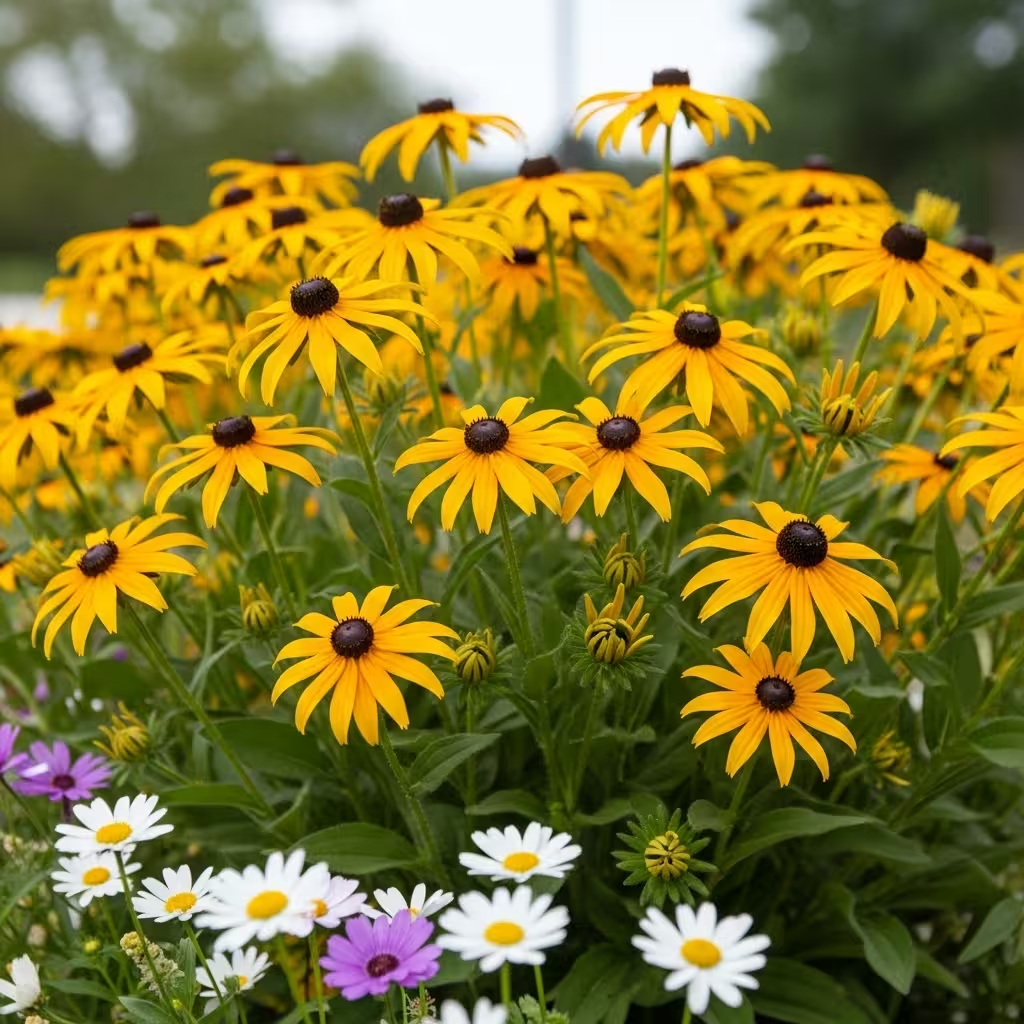
By the time July rolls around, mid-summer heatwaves can turn a once-vibrant flower bed into a dry, crispy disappointment. Many traditional spring-blooming favorites like petunias, pansies, and lobelia begin to wither, go to seed, or simply stop producing buds when the thermometer spikes.
If your garden looks tired, the solution isn’t to double down on watering—it’s to switch to plants designed by nature to handle intense solar energy. These 7 heat-loving flowers don’t just tolerate the blazing July sun; they thrive in it, pumping out rich, continuous color all the way until the first autumn frost.
1. Zinnia (Zinnia elegans)
Zinnias are the undisputed champions of the mid-summer garden. Available in a massive spectrum of neon pinks, hot oranges, and vibrant yellows, these sturdy annuals love hot, dry weather and actually grow faster the hotter it gets.
- The Secret to Long Blooms: They require full, unobstructed sun and sharp drainage. To keep them blooming for months, practice relentless deadheading—the moment a flower head begins to fade, snip its stem back to the next leaf node to force two new flower stalks to take its place.
2. Coneflower (Echinacea purpurea)
This iconic native perennial features a tough, raised central cone surrounded by sweeping pink, purple, or white petals. Once established, coneflowers possess an incredibly deep, fibrous taproot system that makes them completely drought-resistant.
- The Secret to Long Blooms: Plant them in lean, un-fertilized soil. Over-fertilizing coneflowers actually causes them to produce massive green leaves but very few flowers. Leave the final faded seed heads intact in late summer; they attract goldfinches to your yard.
3. Lantana (Lantana camara)
Lantana is a powerhouse shrub-like plant that produces dense clusters of tiny, multi-colored blossoms (often mixing orange, yellow, and red on a single head). Its aromatic leaves contain natural oils that repel deer and rabbits, while the bright blooms act as a magnet for butterflies.
- The Secret to Long Blooms: Give them the absolute hottest, sunniest spot in your yard. Lantana thrives on neglect; watering it too frequently will actually reduce its blossom count and trigger root rot.
4. Marigold (Tagetes)
Marigolds are a classic for a reason. Their ruffled, pom-pom-shaped blossoms in deep bronze, gold, and bright orange provide a massive splash of warmth. Their roots also exude a natural chemical compound that helps repel harmful nematodes in the soil.
- The Secret to Long Blooms: Water them deeply at the base rather than splashing the flowers from above, as trapped water can cause the heavy petal heads to turn mushy and rot in the high heat.
5. Cosmos (Cosmos bipinnatus)
With their delicate, feathery green foliage and daisy-like petals swaying on tall, slender stems, cosmos look fragile—but they are incredibly tough. They tolerate poor, dry, sandy soils where other flowers refuse to grow.
- The Secret to Long Blooms: Plant them in a spot protected from heavy, whipping winds. Pinching the growing tips of the young plants early in the season will force them to bush out, creating a dense network of branches capable of holding hundreds of blooms.
6. Black-Eyed Susan (Rudbeckia fulgida)
These classic golden-yellow flowers with striking dark brown centers are a staple of the summer border. They hold up beautifully under intense humidity and baking afternoon heat without dropping their petals or drooping.
- The Secret to Long Blooms: Space them at least 18 inches apart. While they love the heat, their dense foliage needs good air circulation to prevent powdery mildew from setting in during humid July nights.
7. Vinca / Madagascar Periwinkle (Catharanthus roseus)
Not to be confused with trailing vine periwinkle, upright annual Vinca features glossy, thick green leaves and five-petaled flat flowers in shades of white, rose, and orchid. The leaves have a thick, waxy coating that traps moisture inside, making them virtually wilt-proof.
- The Secret to Long Blooms: Wait until the soil is thoroughly warm before planting them, and ensure your pots or beds drain completely. Vinca is self-cleaning, meaning the old flowers drop off cleanly on their own, requiring zero deadheading to maintain a beautiful presentation.
Mid-Summer Maintenance Rule
The Morning Soak: When watering heat-loving flowers during July, always water before 8:00 AM. This allows the water to soak deep into the root zone before the sun can evaporate it, and ensures any stray droplets on the leaves dry quickly, preventing fungal diseases. Avoid light, daily sprinkles; a deep, heavy soak twice a week forces roots to grow downward, creating a highly resilient garden.