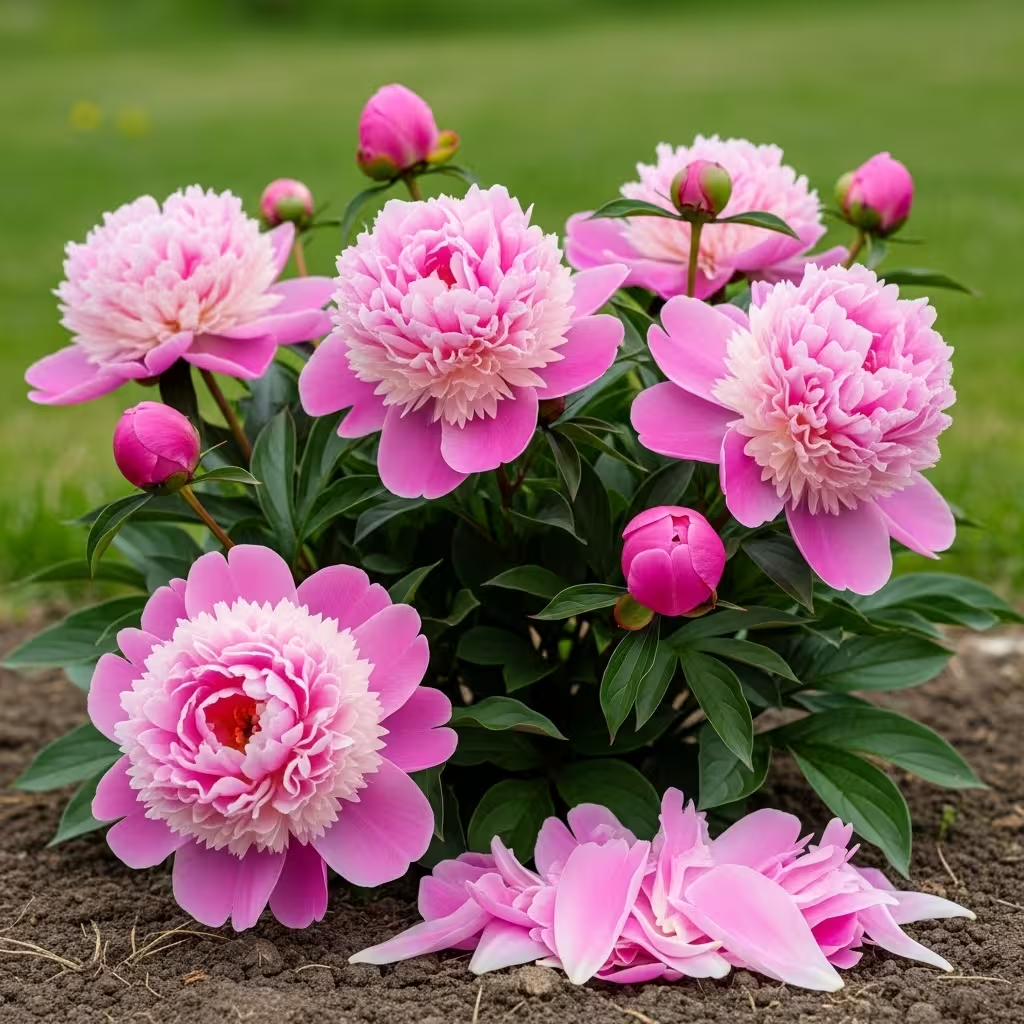
if you own peonies, you’re likely seeing those distinct pink “noses” poking through the mulch. Peonies are the ultimate garden investment—they can outlive the gardener—but they are also famous for a bloom season that feels frustratingly short.
If you want to move beyond “standard” flowers and achieve those legendary dinner-plate-sized blooms that last for weeks rather than days, you need a more tactical approach. Here are 10 secrets to maximize your peony performance this year.
1. The “2-Inch Rule” (Depth is Everything)
This is the most common reason peonies fail to bloom. Peonies need a chilling period in the winter, and if the “eyes” (the buds on the roots) are buried too deep, they can’t sense the cold accurately.
The Secret: Ensure the eyes are no more than 2 inches below the soil surface. If you’ve been adding mulch year after year, your peonies might now be 4 inches deep. Gently scrape back the excess soil this week to “wake them up.”
2. The “Side-Bud” Sacrifice (For Giant Flowers)
Do you want one massive flower or three medium ones? Most peony stems produce a large central bud and several smaller “side buds.”
The Secret: If you want a giant, show-stopping bloom, use your thumbnail to pinch off the smaller side buds as soon as they appear. This forces the plant to send 100% of its energy into the single remaining flower.
3. Stagger Your Varieties
The biggest complaint about peonies is that they bloom and fade in ten days.
The Secret: Professional gardeners plant a “relay race” of varieties. By mixing Early, Mid, and Late-season bloomers, you can extend your peony season from two weeks to six weeks. Look for Fernleaf peonies for early color and Itos or Sarah Bernhardt for the late-season finale.
4. The “Marshmallow” Test
If you want your cut peonies to last 10+ days in a vase, you cannot wait for them to fully open on the bush.
The Secret: Harvest them when the bud feels like a soft marshmallow. If it’s hard like a marble, it’s too early. If it’s already opening, it won’t last long in the house.
5. Low-Nitrogen Nutrition
Feeding your peonies high-nitrogen lawn fertilizer is a recipe for disaster. You’ll get a giant green bush with weak, floppy stems and zero flowers.
The Secret: Use a fertilizer with a higher middle number (Phosphorus), such as a 5-10-10. Apply it now as the stems are emerging and again right after they finish blooming.
6. The Ant Security Detail
A Moment of Candor: You will see ants on your peony buds. Do not spray them. There is a persistent myth that ants “help” the flower open. They don’t. However, they are attracted to the sweet nectar and, in exchange for the meal, they act as a “security detail,” warding off thrips and other pests that would actually damage the petals.
7. Early Support (The “Girdle” Method)
Peonies are top-heavy. If you wait until they are blooming to stake them, you’ll end up with broken stems.
The Secret: Place your peony hoops or supports this week. Let the stems grow up through the support. By May, the foliage will completely hide the metal, and your flowers will stay upright even during a spring downpour.
8. Deep Hydration, Dry Leaves
Peonies are prone to fungal diseases like Botrytis.
The Secret: Never water your peonies from above. Use a soaker hose at the base. One deep, 1-inch soak per week is significantly better for root health than light, daily sprinkles.
9. Post-Bloom Hygiene
Once a flower starts to fade, it becomes an energy drain and a fungal risk.
The Secret: “Deadhead” immediately. Cut the spent flower stem down to the first strong set of leaves. This stops the plant from trying to produce seeds and tells it to start storing energy in the roots for 2027.
10. The Fall “Clean Slate”
While we are currently in spring, the secret to this year’s health was actually last year’s cleanup.
The Secret: Peony foliage should never be left on the ground over winter. In the fall, cut the stems all the way to the ground and dispose of them in the trash. This prevents the “measles” (red spots) from returning the following year.
Peonies are the royalty of the garden, and like any royal, they require specific protocols. If you stake them early, feed them correctly, and manage their “ants,” you’ll have a display that is the envy of the neighborhood.