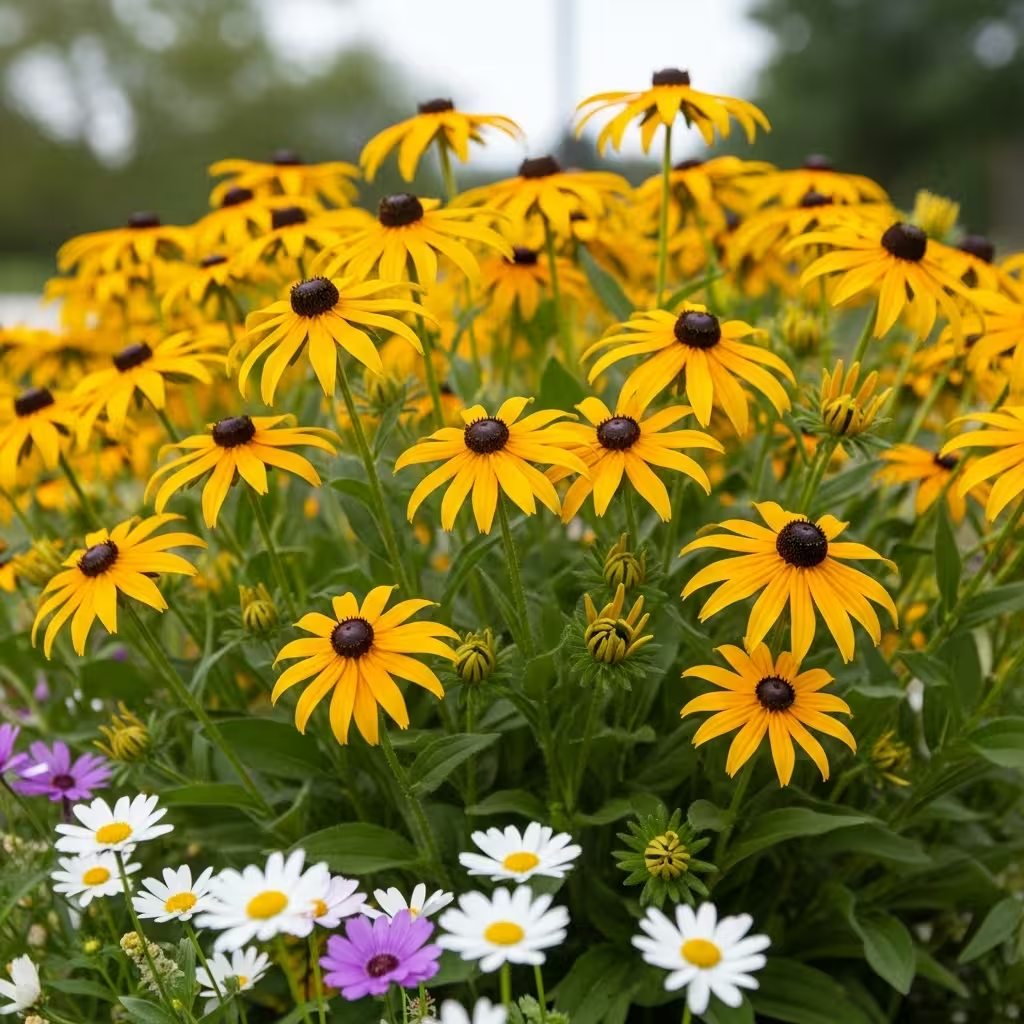
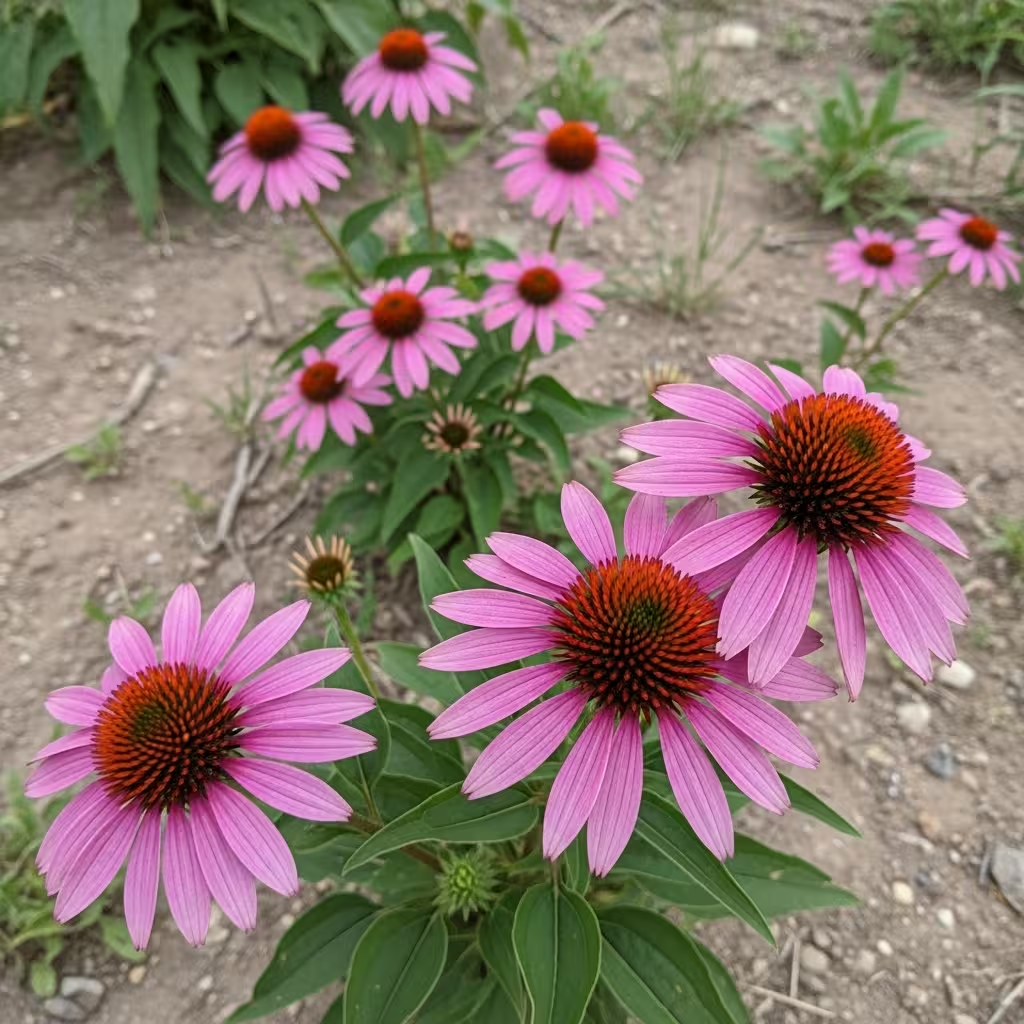
Picture this: your garden bursting with wave after wave of vibrant coneflowers, each bloom more stunning than the last, stretching from early summer deep into autumn. This isn’t gardening fantasy—it’s the magic that happens when you master the gentle art of deadheading Echinacea.
These resilient prairie natives have conquered gardens worldwide with their bold, sculptural blooms and unwavering devotion to summer color. Yet beneath their carefree exterior lies a secret that transforms good coneflower displays into absolutely spectacular ones.
The Science Behind the Snip
Nature designed flowers with one primary mission: reproduction. Once a coneflower successfully creates seeds, it considers its job complete and begins winding down bloom production. Deadheading interrupts this natural cycle, essentially tricking the plant into believing it hasn’t fulfilled its reproductive destiny yet.
This botanical sleight of hand delivers remarkable results:
Extended Performance: Your plants channel their energy into crafting new buds rather than developing seeds, creating an almost continuous display of fresh blooms.
Enhanced Garden Aesthetics: Gone are the unsightly brown, weathered flower heads that can make even the healthiest plants appear neglected.
Pollinator Paradise: By maintaining a steady supply of fresh nectar sources, you create an irresistible buffet for bees, butterflies, and other beneficial insects throughout the growing season.
Strategic Seed Control: While coneflowers’ ability to self-sow can be delightful, unchecked reseeding might overwhelm smaller garden spaces or disrupt carefully planned color schemes.
Reading Your Plants: The Perfect Timing
Successful deadheading requires developing an eye for the subtle signs that indicate a flower’s peak has passed. The transformation happens gradually—petals that once stood proudly begin to fade, losing their saturated colors and developing papery textures. The distinctive central cone, initially firm and vibrant, starts darkening and taking on a dried appearance.
The optimal window arrives just as this decline becomes noticeable but before the flower head becomes completely desiccated. During peak blooming periods, this means conducting gentle inspections every two to three days, allowing you to catch flowers at precisely the right moment.
The Deadheading Technique: Precision Meets Artistry
Proper deadheading transcends simple flower removal—it’s about understanding plant architecture and encouraging optimal growth patterns. Armed with sharp, clean pruning shears, locate each spent bloom and trace its stem downward until you reach either a developing side bud or a robust set of leaves.
The critical cut should be made just above this growth point, typically at a slight angle to encourage water runoff and prevent disease. This strategic placement ensures the plant redirects its energy toward these emerging growth points rather than wasting resources on the severed stem portion.
When multiple flowers cluster on a single stem, you can often remove several spent blooms with one well-placed cut. This efficiency allows you to maintain larger plantings without spending excessive time on individual flowers.
The Seasonal Strategy: When to Stop
While deadheading proves invaluable during the height of summer, wise gardeners know when to ease off this practice. As autumn approaches, consider allowing some flowers to complete their natural cycle and develop seed heads.
This seasonal shift serves multiple purposes: the mature seed heads provide essential winter food for goldfinches and other seed-eating birds, the architectural structure adds visual interest to winter gardens, and allowing some natural reseeding can introduce delightful surprises to next year’s display.
The transition typically occurs in late August or early September, depending on your climate zone and local conditions.
While deadheading forms the cornerstone of extended blooming, several complementary practices can elevate your coneflower display to even greater heights.
Strategic Spring Pruning: In late spring, before flower buds form, pinch back about one-third of your stems by several inches. This technique encourages bushier growth and can result in more numerous, though slightly smaller, blooms.
Thoughtful Irrigation: While coneflowers tolerate drought admirably, consistent moisture during blooming periods supports more robust flower production and longer individual bloom life.
Judicious Fertilization: A light application of balanced, low-nitrogen fertilizer monthly during the growing season provides nutritional support without encouraging excessive foliage at the expense of flowers.
Periodic Division: Every three to four years, divide established clumps in early spring or fall. This rejuvenation prevents overcrowding, maintains plant vigor, and provides opportunities to expand your display or share with fellow gardeners.
Embracing the Process
Deadheading coneflowers becomes more than a maintenance task—it evolves into moments of quiet connection with your garden. These brief interludes allow you to observe subtle changes, notice visiting pollinators, and anticipate the next flush of blooms your efforts will encourage.
Each snip represents an investment in your garden’s future beauty, a small action that compounds into spectacular results. As you develop this rhythm of observation and gentle intervention, you’ll discover that the most rewarding gardens emerge from understanding and working alongside nature’s inherent wisdom.
The transformation from occasional bloomer to prolific flower factory happens gradually, but the results speak for themselves: gardens that pulse with continuous color, visitors who pause in wonder at the abundance, and the deep satisfaction that comes from unlocking your plants’ hidden potential through simple, mindful care.