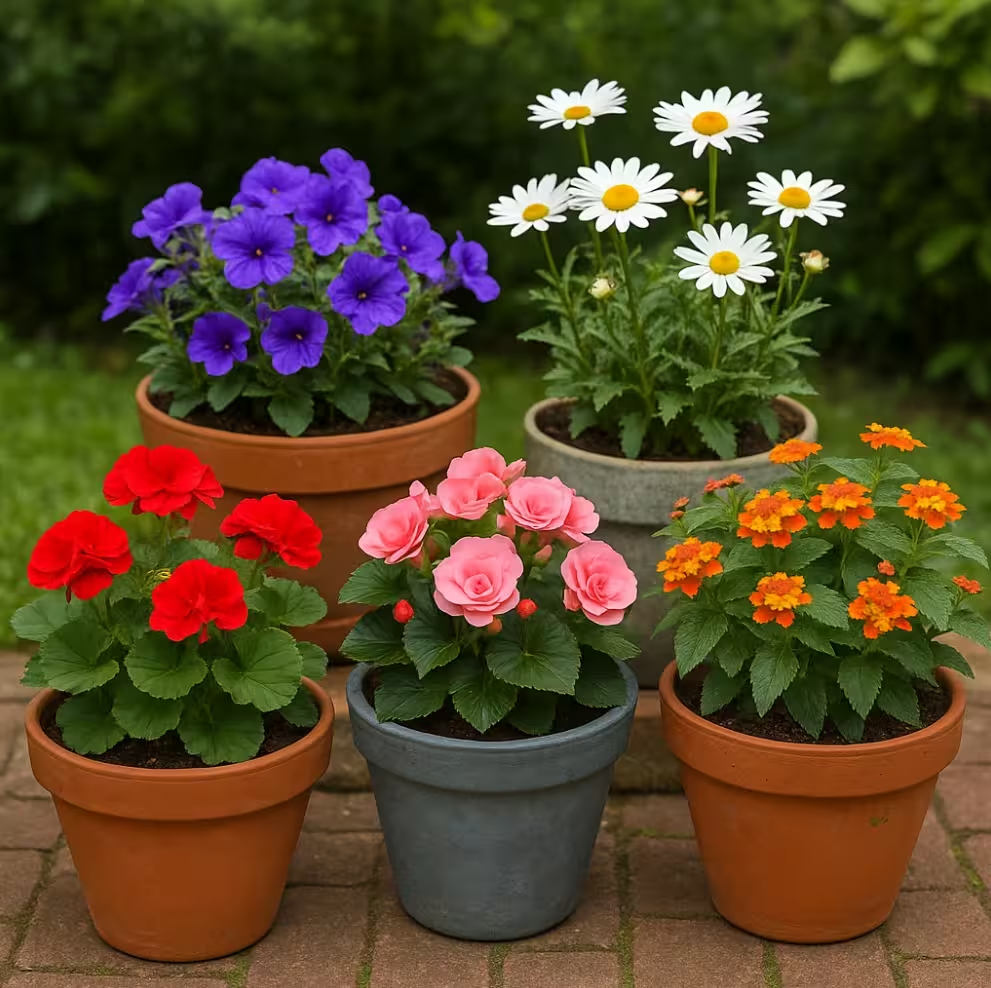
Every gardener faces the same dilemma at the end of a growing season: containers filled with depleted potting mix that seems destined for the trash. However, this seemingly exhausted growing medium holds tremendous potential for renewal. Rather than contributing to waste streams, you can transform this tired soil into a vibrant foundation for future plantings through strategic rejuvenation techniques.
The Smart Economics and Ethics of Soil Revival
Breathing new life into used potting mix represents both financial wisdom and environmental stewardship. Quality potting media can cost substantially per bag, making soil renewal an attractive budget-friendly alternative. Beyond economics, soil rehabilitation reduces the volume of organic waste entering landfills while decreasing demand for newly manufactured growing media. This circular approach to gardening aligns with sustainable practices that benefit both your wallet and the planet.
Phase One: Debris Assessment and Removal
Begin your soil transformation by conducting a thorough inspection. Carefully examine the potting mix for remnants of previous plantings, including root systems, stem fragments, and decomposing foliage. These organic remnants may harbor dormant pathogens or pest eggs that could threaten future plantings. Using a mesh screen or fine-toothed garden fork, methodically separate plant debris from the soil matrix. This foundational step ensures you’re working with clean base material.
Phase Two: Pathogen Elimination Through Heat Treatment
Used potting mix often contains invisible threats including fungal spores, bacterial colonies, and insect larvae. Thermal sterilization effectively neutralizes these concerns through several proven methods. The conventional oven approach involves spreading moistened soil across shallow pans and heating at 180°F for 45 minutes. Alternatively, solar pasteurization leverages natural heat by placing soil in transparent containers under direct sunlight for several weeks during warm weather. For smaller quantities, brief microwave exposure (2-3 minutes for damp soil) provides quick sterilization.
Phase Three: Nutritional Rehabilitation
Depleted potting mix lacks the essential nutrients plants require for vigorous growth. Nutritional restoration involves incorporating multiple organic amendments that work synergistically. High-quality compost serves as the cornerstone, providing both immediate and slow-release nutrients while improving microbial diversity. Earthworm castings contribute concentrated nutrition along with beneficial bacteria that support plant health. Supplement these organic materials with balanced granular fertilizers that release nutrients gradually over time.
Phase Four: Physical Structure Enhancement
Compacted potting mix loses its crucial drainage and aeration properties, creating hostile conditions for root development. Physical rehabilitation requires strategic addition of materials that restore porosity and water movement. Perlite, those lightweight white granules, creates air pockets that prevent waterlogging while maintaining structure. Vermiculite offers similar benefits with enhanced moisture retention capabilities. Coconut fiber (coir) provides sustainable organic matter that improves both drainage and water-holding capacity without the environmental concerns associated with peat moss.
Phase Five: Chemical Balance Optimization
Prolonged use and decomposition can shift soil pH away from optimal ranges, affecting nutrient availability and plant performance. Most container plants thrive in slightly acidic to neutral conditions (pH 6.2-7.0). Digital pH meters or color-change test strips provide accurate readings of your soil’s current status. Acidic amendments like elemental sulfur or pine needle compost lower pH when needed, while agricultural lime or wood ash raises pH for overly acidic mixes. Gradual adjustments over time prevent shocking plants with dramatic chemical changes.
Phase Six: Proper Storage and Preservation
Rejuvenated potting mix requires appropriate storage to maintain its improved qualities until needed. Clean, sealed containers prevent contamination from external pathogens and pests while preserving moisture content. Storage areas should remain cool and dry to prevent premature nutrient breakdown and unwanted microbial activity. Properly stored revitalized soil maintains its enhanced properties for months, ready to support new plantings when the growing season returns.
Strategic Application Guidelines
Successfully utilizing renewed potting mix requires thoughtful application strategies. Consider reserving rejuvenated soil for ornamental plantings rather than edible crops if you harbor any concerns about complete pathogen elimination. Blending refreshed soil with new potting mix creates a hybrid medium that combines cost savings with fresh nutrients. This approach works particularly well for large container gardens where pure new soil would be prohibitively expensive.
Critical Mistakes to Avoid
Certain practices can undermine your soil rejuvenation efforts or create problems for future plantings. Never attempt to revive soil that previously supported diseased plants, as sterilization may not eliminate all pathogenic organisms. Similarly, soil exhibiting foul odors indicates anaerobic bacterial activity that can harm plant roots and should be discarded. Rushing the sterilization process or skipping it entirely invites pest and disease problems that could devastate your garden.
Maximizing Long-Term Success
Successful soil rejuvenation extends beyond the initial restoration process. Regular monitoring of plant performance helps identify whether your renewed growing medium meets expectations. Gradual replacement of older soil components with fresh amendments maintains quality over multiple growing cycles. Keep detailed records of your rejuvenation methods and results to refine your technique and achieve consistently excellent outcomes.
Embracing Sustainable Gardening
Transforming tired potting mix into productive growing medium exemplifies the principles of sustainable horticulture. This practice reduces environmental impact while maintaining garden productivity and keeping more money in your pocket. Whether you’re cultivating ornamental displays, herb gardens, or houseplant collections, properly rejuvenated soil provides the nutritional foundation and physical structure plants need for robust growth and abundant harvests. The time invested in soil renewal pays dividends through healthier plants and reduced gardening expenses season after season.