Imagine stepping into your backyard and seeing fewer mosquitoes buzzing around—not because of toxic sprays or expensive gadgets, but because you’ve invited nature’s most skilled aerial hunters to take up residence. Dragonflies are incredible mosquito-eating machines, capable of devouring hundreds of these pests daily. The secret to attracting these beneficial predators lies in choosing the right plants that create the perfect habitat for their hunting and breeding needs.
Creating a dragonfly sanctuary isn’t just about pest control—it’s about establishing a thriving ecosystem where these ancient, magnificent insects can flourish while keeping your outdoor spaces comfortable and enjoyable.
Why Dragonflies Are Your Garden’s Best Allies
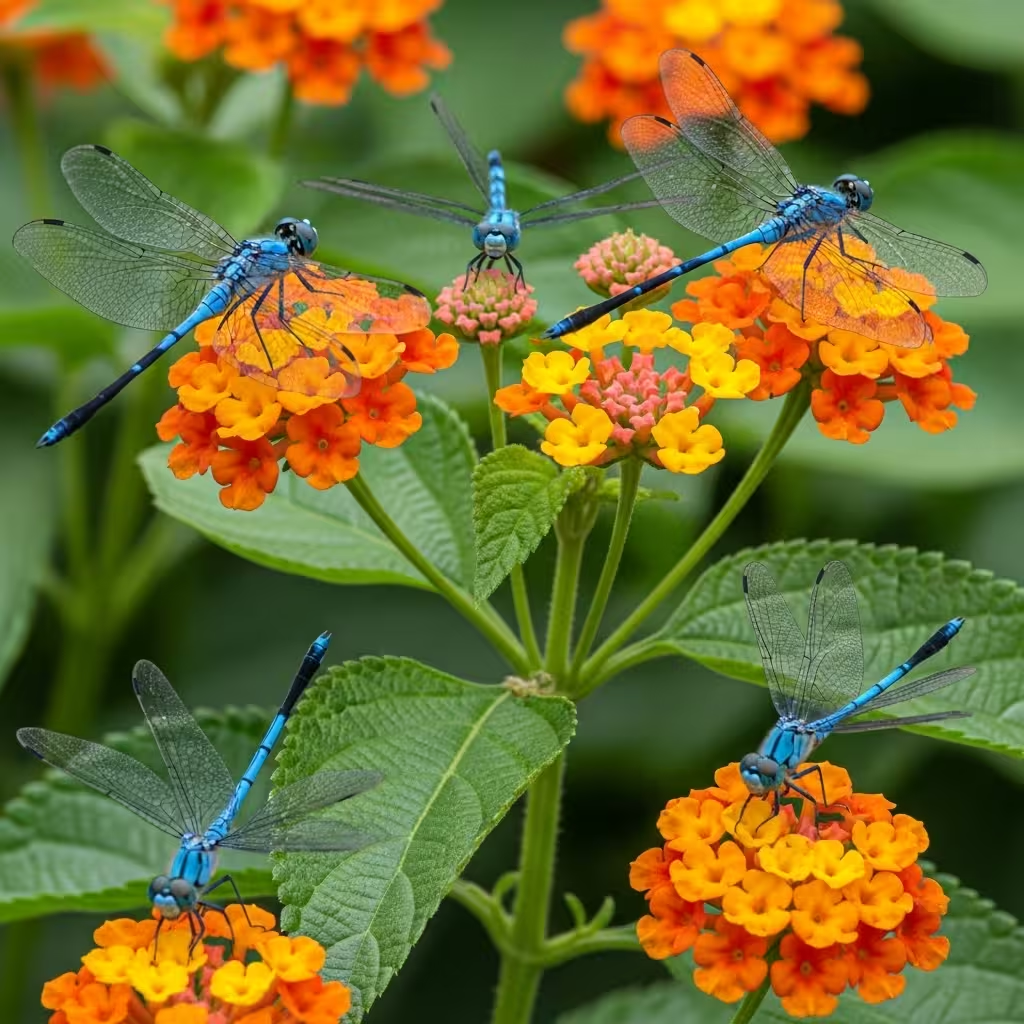
Dragonflies have been perfecting their hunting skills for over 300 million years, making them incredibly efficient predators. A single dragonfly can consume up to 100 mosquitoes per day, and they don’t stop there—they also feast on flies, gnats, and other bothersome insects. Unlike chemical pest control methods, dragonflies provide sustainable, eco-friendly pest management that actually enhances your garden’s biodiversity.
These remarkable insects need specific conditions to thrive: access to water for reproduction, abundant prey, and suitable vegetation for perching and shelter. By selecting the right plants, you can create an irresistible environment that draws dragonflies to your garden and encourages them to stay.
10 Essential Plants for Dragonfly Attraction
1. Lotus (Nelumbo spp.)
Lotus plants create the ultimate dragonfly nursery with their large, floating leaves and still water requirements. These aquatic beauties provide perfect egg-laying sites while their broad leaves offer shade and protection for developing dragonfly larvae. The stunning blooms add dramatic beauty to water features, making lotus both functional and spectacular.
Growing conditions: Full sun, water depth 12-18 inches, zones 4-10
2. Cattails (Typha latifolia)
These iconic wetland plants are dragonfly magnets, providing essential breeding habitat in shallow water areas. Cattails offer vertical perching spots for adult dragonflies and create protected nursery areas for their aquatic young. The dense growth also attracts the small insects that adult dragonflies hunt.
Growing conditions: Full sun to partial shade, water depth 2-12 inches, zones 3-10
3. Hornwort (Ceratophyllum demersum)
This completely submerged aquatic plant creates an underwater jungle perfect for dragonfly larvae development. Hornwort oxygenates water naturally while providing hiding spots for young dragonflies as they grow. Its feathery foliage also harbors tiny organisms that serve as food for developing larvae.
Growing conditions: Submerged in 2-10 feet of water, zones 6-10
4. Cardinal Flower (Lobelia cardinalis)
With its brilliant red spikes, cardinal flower creates stunning waterside displays that attract both dragonflies and the small insects they prey upon. This native perennial thrives in consistently moist soil near water features, making it ideal for pond edges and bog gardens.
Growing conditions: Partial shade to full sun, consistently moist soil, zones 3-9
5. Marsh Marigold (Caltha palustris)
These bright yellow, buttercup-like flowers bloom early in spring, providing nectar for emerging insects that dragonflies hunt. Marsh marigolds thrive in shallow water and wet soil, creating perfect transition zones between water and land that dragonflies love.
Growing conditions: Full sun to partial shade, wet soil to 4 inches of water, zones 3-7
6. Sweet Flag (Acorus calamus)
This grass-like plant forms dense colonies in shallow water, creating excellent habitat for dragonfly reproduction. Sweet flag’s sword-like leaves provide multiple perching opportunities while its dense growth offers protection for both larvae and adults.
Growing conditions: Full sun to partial shade, wet soil to 6 inches of water, zones 4-11
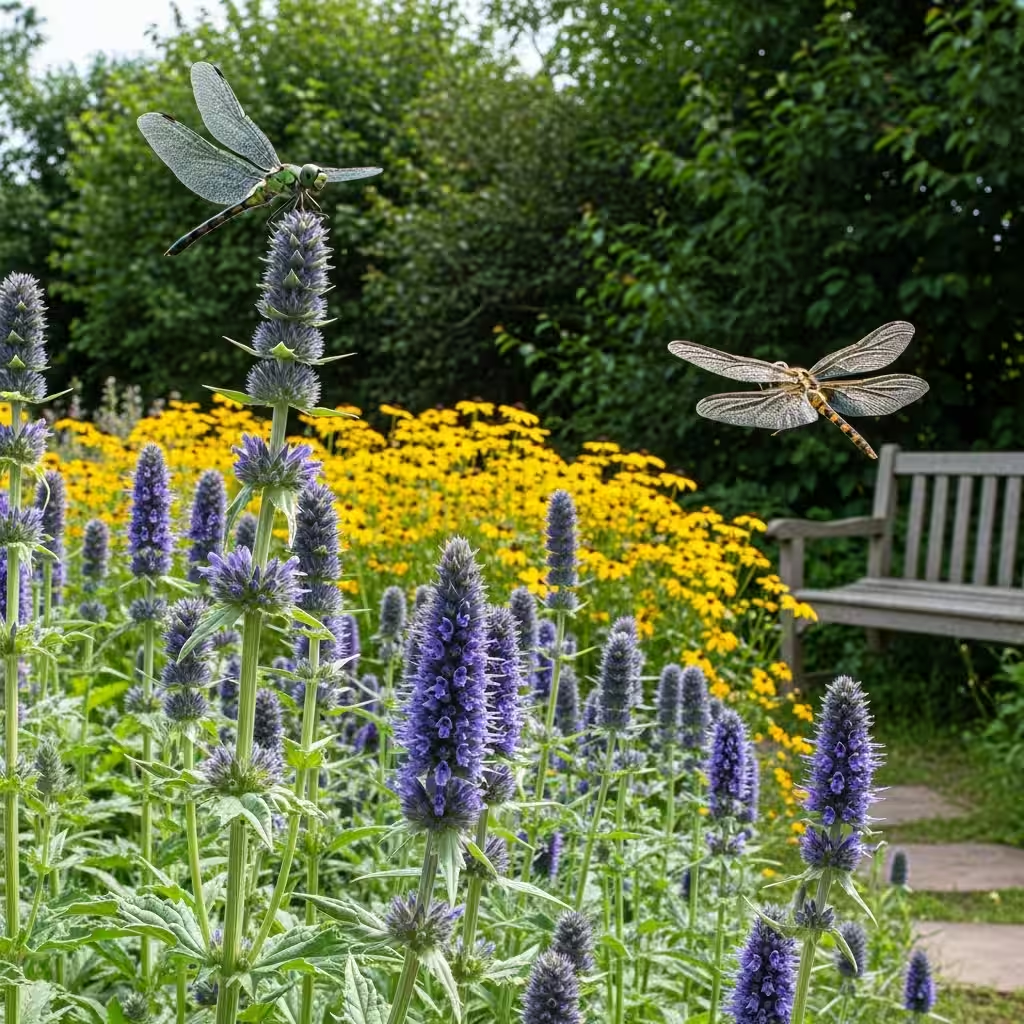
7. Wild Bergamot (Monarda fistulosa)
While not aquatic, wild bergamot attracts the flying insects that dragonflies hunt. Its clusters of tubular flowers draw various pollinators, creating a feeding ground where dragonflies can easily catch prey. The plant’s height also provides excellent perching spots.
Growing conditions: Full sun to partial shade, well-drained soil, zones 3-9
8. Lizard’s Tail (Saururus cernuus)
This unique wetland plant produces distinctive drooping white flower spikes that attract small insects. Lizard’s tail grows in shallow water and wet soil, creating ideal habitat transitions that dragonflies need for successful reproduction.
Growing conditions: Partial shade to full sun, wet soil to 6 inches of water, zones 4-9
9. Blue Flag Iris (Iris versicolor)
These stunning purple-blue flowers thrive in wet conditions and provide excellent vertical structure for dragonfly perching. Blue flag iris creates beautiful waterside displays while offering the moist habitat conditions that support dragonfly breeding cycles.
Growing conditions: Full sun to partial shade, wet soil to 4 inches of water, zones 2-7
10. Arrowhead (Sagittaria latifolia)
With its distinctive arrow-shaped leaves and white three-petaled flowers, arrowhead creates perfect dragonfly habitat in shallow water. The plant’s structure provides multiple microhabitats—from egg-laying sites to larval development areas—making it incredibly valuable for dragonfly populations.
Growing conditions: Full sun to partial shade, wet soil to 10 inches of water, zones 4-11
Designing Your Dragonfly Habitat
Water Feature Essentials
The foundation of any dragonfly garden is water. Even a small pond or water container can support dragonfly populations if designed correctly. Include areas of varying depths—shallow zones for egg-laying and deeper areas for larval development. Still or slow-moving water works best, as dragonflies prefer calm conditions for reproduction.
Plant Placement Strategy
Arrange plants to create diverse microhabitats. Place tall, vertical plants like cattails and sweet flag around water edges for perching spots. Include floating plants for egg-laying sites and submerged plants for larval habitat. Add flowering plants nearby to attract prey insects.
Sunlight Requirements
Dragonflies are cold-blooded creatures that need sunny spots for thermoregulation. Ensure your water features receive at least 6 hours of direct sunlight daily. However, also include some shaded areas where dragonflies can rest during the hottest parts of the day.
Avoid Chemical Interference
Pesticides and herbicides can devastate dragonfly populations. These chemicals not only harm adult dragonflies but also eliminate the insects they depend on for food. Maintain your dragonfly habitat using organic methods, allowing natural predator-prey relationships to establish balance.
Seasonal Care for Dragonfly Plants
Spring Preparation
Clean water features gently, removing excess debris while preserving beneficial organisms. Divide and replant overgrown aquatic plants. This is also the best time to establish new plantings.
Summer Maintenance
Monitor water levels during hot weather, adding water as needed to maintain optimal depths. Deadhead flowering plants to extend blooming periods and continue attracting prey insects.
Fall Considerations
Allow some plant matter to remain in water features over winter—decomposing vegetation provides habitat for overwintering dragonfly larvae. Cut back terrestrial plants but leave aquatic plants largely undisturbed.
Winter Protection
In colder climates, ensure water features don’t freeze completely solid. Dragonfly larvae need liquid water to survive winter. Consider using pond heaters or aerators in extremely cold regions.
Creating Multiple Habitat Zones
Shallow Water Zones (0-6 inches)
Plant with cattails, arrowhead, and blue flag iris. These areas provide critical egg-laying habitat and support the transition from aquatic larvae to flying adults.
Deeper Water Areas (6+ inches)
Include submerged plants like hornwort and floating plants like lotus. These zones support larval development and provide hunting grounds for aquatic prey.
Transitional Wet Areas
Use plants like cardinal flower and marsh marigold that thrive in consistently moist soil. These areas extend habitat complexity and provide additional insect diversity.
Adjacent Dry Areas
Include flowering plants like wild bergamot that attract flying insects. These zones create feeding opportunities and provide resting spots for adult dragonflies.
The Long-Term Benefits
Establishing a dragonfly-friendly garden creates lasting benefits beyond mosquito control. These plants support entire ecosystems, attracting birds, butterflies, and other beneficial insects. Many of these species are native plants that require minimal maintenance once established, making them sustainable choices for long-term garden health.
As your dragonfly population grows, you’ll notice a dramatic reduction in mosquito problems during peak season. The presence of dragonflies also indicates a healthy, balanced ecosystem—a sign that your garden is truly thriving.
By incorporating these ten essential plants, you’re not just creating a beautiful garden—you’re establishing a natural pest control system that will serve you for years to come. Watch as your outdoor spaces transform into comfortable, mosquito-free zones where dragonflies patrol the skies like tiny, iridescent guardians.