Lavender is the crown jewel of the cottage garden, famous for its intoxicating fragrance, beautiful silvery foliage, and sea of purple blooms. However, despite its reputation as a hardy Mediterranean plant, lavender can be notoriously finicky—especially during the transition into spring.
If left to its own devices, a lavender plant can quickly become woody, leggy, or succumb to root rot before the summer heat even arrives. To set your lavender up for a spectacular season, here are the 8 smart spring moves that will keep your plants healthy, vibrant, and blooming nonstop.
1. Wait for the New Growth to Prune
The most common mistake gardeners make is rushing out with the shears at the very first sign of warm spring weather. Pruning too early can expose tender internal stems to a surprise late frost, killing the plant. Wait until you see tiny green leaves starting to sprout along the lower woody stems. This is your green light that the plant is awake and ready for a haircut.
2. Follow the “One-Third” Rule
When you do prune in the spring, remember that you should never cut back into old, bare wood. Lavender rarely regenerates from completely bare brown branches. Instead, prune away about one-third of the plant’s overall height, cutting just above the nodes where you see fresh green growth. This stimulates a burst of bushy new stems, which translates to more flowers come summer.
3. Clear Away Heavy Mulch
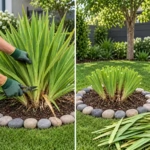
While winter mulch protects roots from freezing temperatures, leaving heavy organic mulch (like wood chips or bark) tucked closely around your lavender in the spring is a recipe for disaster. Organic mulch traps moisture against the base of the plant. Clear a circle of bare dirt at least 3 inches wide around the crown to allow air to circulate freely.
4. Improve Drainage with Grit or Sand
Lavender hates “wet feet” more than almost anything else. Spring showers combined with heavy soil can quickly trigger root rot. If your soil is holding onto water, gently scratch a layer of horticultural sand, fine gravel, or chicken grit into the top few inches of soil around the plant. This simple trick speeds up surface drainage and keeps the roots happy.
5. Hold the Fertilizer
It is a natural instinct to want to feed your plants a heavy dose of fertilizer in the spring, but lavender actually prefers lean, nutrient-poor soil. Giving it too much nitrogen will cause the plant to produce lush, weak green foliage at the expense of its fragrant essential oils and flowers. Skip the chemical fertilizers entirely; a very light dusting of organic compost around the base is all they will ever need.
6. Test Your Soil’s pH Level
Lavender thrives in alkaline soil (a pH between 6.7 and 7.3). If your soil is too acidic, the plant will struggle to absorb nutrients, resulting in yellowing leaves and stunted growth. Spring is the perfect time to use a simple soil test kit. If your soil tilts acidic, adding a small handful of garden lime (calcium carbonate) around the base of the plant will raise the pH to their preferred sweet spot.
7. Repot and Refresh Container Plants
If you are growing lavender in pots on your porch or patio, spring is the time for an annual check-up. Check to see if roots are growing out of the drainage holes. If so, move the plant up to a slightly larger pot. If it doesn’t need a bigger home, simply scrape away the top two inches of old potting soil and replace it with a fresh, gritty mix to revitalize the plant for the upcoming season.
8. Water Deeply but Infrequently
As the spring sun gets warmer, your watering habits need to shift. Instead of giving your lavender frequent, shallow splashes of water, transition to a “soak and dry” method. Water the plant deeply at its base until the soil is saturated, and then completely withhold water until the top two to three inches of soil are bone dry. This encourages the root system to grow deep and strong, ensuring a drought-resilient plant by mid-summer.